The Role of Movement Therapy in Treating Tendonitis Movement therapy plays a crucial role…

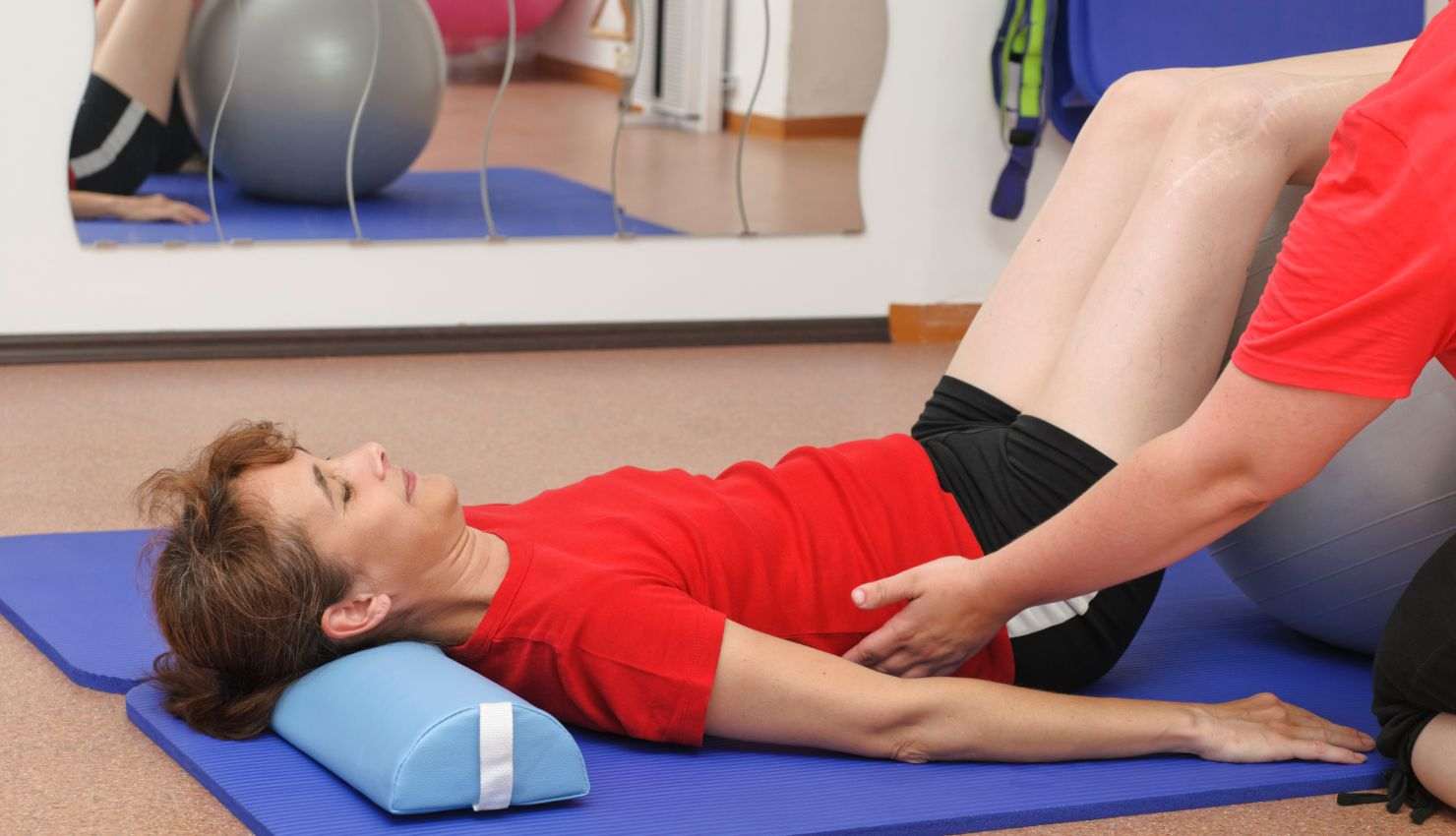
The Role of Movement Therapy in Treating Tendonitis
Movement therapy plays a crucial role in both the recovery and prevention of tendonitis by promoting healing, restoring function, and reducing pain without overloading the affected tendon. Tendonitisan inflammation or irritation of a tendon caused by repetitive strain or injurybenefits from carefully guided movement that balances rest with gradual reactivation.
1. Promoting Gentle Mobilization
Movement therapy encourages pain-free, controlled motions that maintain tendon flexibility and prevent stiffness.
Early, gentle movement improves blood flow and nutrient delivery, supporting tissue repair.
Avoids prolonged immobilization, which can weaken tendons and surrounding muscles.
Example: Slow wrist circles for wrist tendonitis or gentle calf raises for Achilles tendonitis.
2. Correcting Biomechanical Imbalances
Improper movement patterns or muscle imbalances often contribute to tendon overload.
Movement therapy identifies and retrains faulty habits, improving joint alignment and muscle coordination.
Helps distribute load evenly, reducing repetitive strain on the tendon.
Example: Teaching proper shoulder mechanics to reduce rotator cuff tendonitis.
3. Strengthening Supporting Muscles Gradually
Progressive strengthening of muscles around the tendon improves joint stability and reduces stress on the injured tendon.
Emphasizes eccentric exercises (lengthening contractions), which are particularly effective in tendon rehabilitation.
Movement therapy tailors these exercises to the individuals pain tolerance and healing stage.
Example: Slow eccentric heel drops for Achilles tendonitis.
4. Enhancing Proprioception and Neuromuscular Control
Tendonitis can impair proprioception, leading to decreased joint stability.
Movement therapy incorporates balance and coordination exercises to retrain the nervous system.
Improves the bodys ability to protect the tendon during daily activities and sports.
5. Reducing Pain Through Movement and Breath
Controlled movement combined with breathwork helps modulate pain signals and reduce muscle guarding.
Encourages relaxation and decreases inflammation by improving circulation.
6. Preventing Recurrence
Movement therapy educates patients on ergonomics, posture, and activity modification.
Develops movement habits that minimize overload and reduce risk of future tendonitis.
Integrates long-term strategies for sustainable tendon health.