Movement therapy, also known as physical or rehabilitative therapy, plays a vital role in…

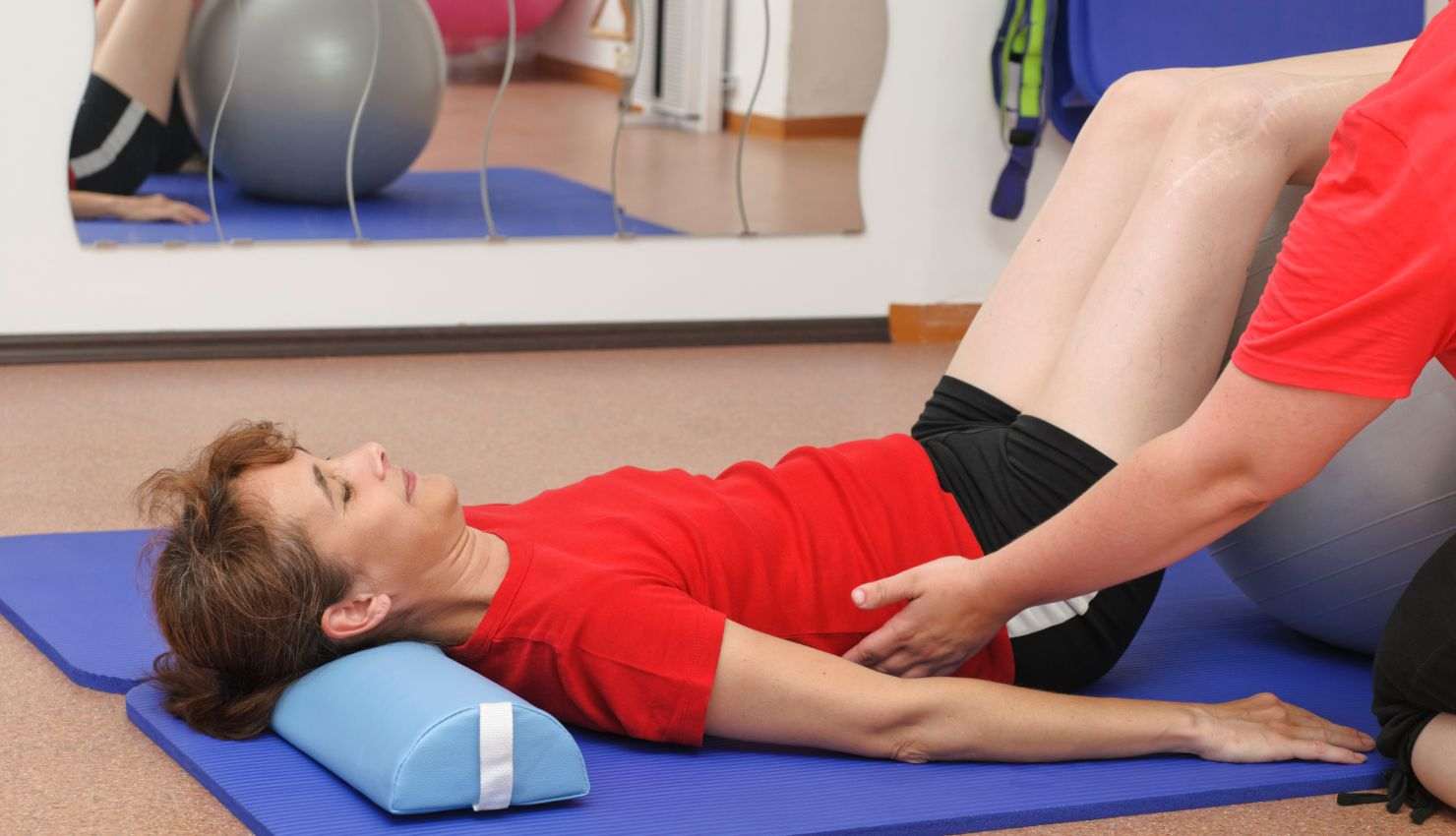
Movement therapy, also known as physical or rehabilitative therapy, plays a vital role in helping individuals recover functional mobility and range of motion after surgery. Here’s how it works and why it’s so effective:
1. Reduces Post-Surgical Stiffness
After surgery, immobility or limited movement can lead to joint and muscle stiffness. Movement therapy introduces gentle, guided exercises to keep the affected area mobile, reducing stiffness and preventing long-term loss of flexibility.
2. Promotes Blood Flow and Healing
Engaging in therapeutic movement increases circulation, delivering oxygen and nutrients to healing tissues. This accelerates recovery by reducing swelling, preventing blood clots, and minimizing scar tissue formation, all of which can restrict motion.
3. Prevents Muscle Atrophy
Surgical recovery often involves periods of reduced activity, which can cause muscles to weaken or shrink (atrophy). Movement therapy helps maintain or rebuild muscle strength, supporting the joint or area around the surgical site and facilitating greater motion.
4. Breaks Down Scar Tissue
Scar tissue can develop internally after surgery and restrict mobility. With targeted stretching and mobilization techniques, therapists help gradually remodel and lengthen the scar tissue, restoring a fuller range of motion.
5. Retrains Neuromuscular Patterns
Surgery can disrupt normal movement patterns. Through controlled repetition and guided movements, therapy retrains the brain and muscles to work together effectively, improving coordination and functional range of motion.
6. Customization to Specific Needs
Therapists design movement programs based on the individual’s surgical procedure, pain tolerance, and goals. Whether recovering from joint replacement, spinal surgery, or soft tissue repair, the therapy is adapted to target relevant muscles and joints safely.
7. Improves Confidence and Function
Restoring movement through therapy not only improves physical function but also boosts confidence. Patients learn how to move safely, reduce fear of re-injury, and return to daily activities more effectively.
Examples of Movement Therapies Used Post-Surgery
Passive Range of Motion (PROM): Therapist moves the joint for the patient to prevent stiffness.
Active-Assisted Range of Motion (AAROM): Patient performs movement with some assistance.
Active Range of Motion (AROM): Patient moves the joint independently.
Manual Therapy: Hands-on techniques to mobilize joints and soft tissues.
Stretching and Strengthening Exercises: Improve flexibility and support the healing area.