The Role of Osteopathy in Stress Management and Relaxation explores targeted strategies for recovery. Discover new paths to mobility, healing, and personalized care.

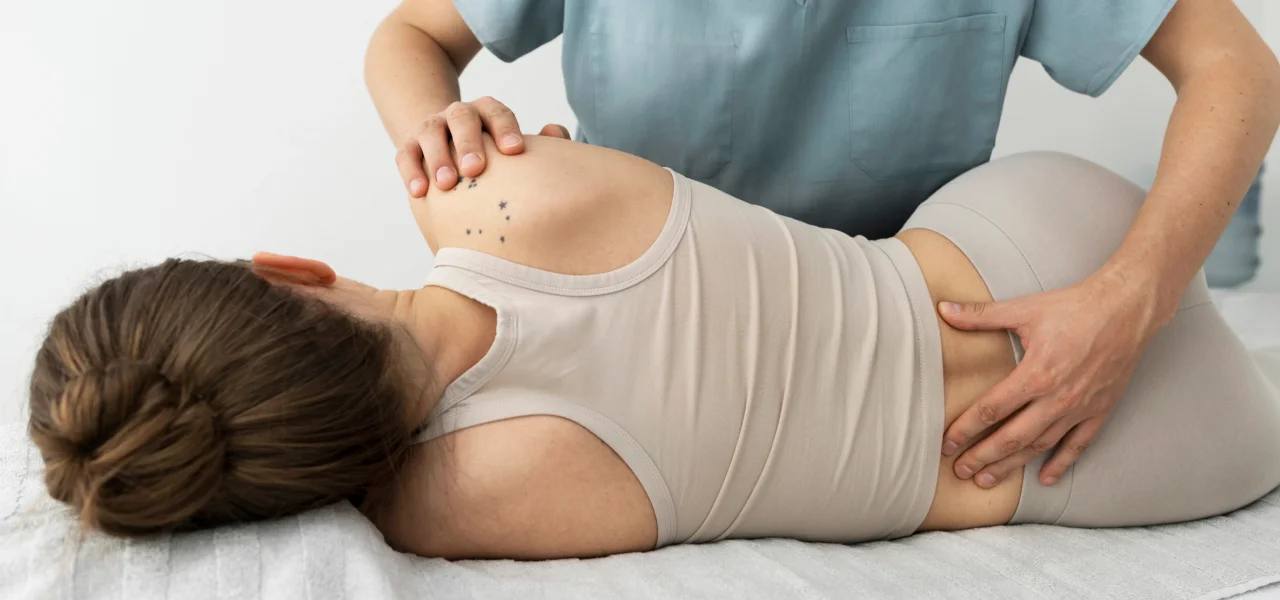
In todays fast-paced world, stress is almost unavoidable. Whether its work deadlines, family demands, or just the constant buzz of daily life, stress affects us physically, mentally, and emotionally. While we often think of stress as something in the mind, its very much a whole-body experienceshowing up as muscle tension, headaches, fatigue, and even digestive issues.
This is where osteopathy shines as a holistic, hands-on approach to stress management and relaxation. By working with your bodys structure, muscles, and nervous system, osteopathy helps you relax deeply, restore balance, and better handle lifes pressures.
How Does Stress Affect Your Body?
When stressed, your body goes into fight or flight mode, releasing hormones like adrenaline and cortisol. This causes muscles to tense up, heart rate to increase, and breathing to become shallow. Over time, chronic stress can lead to:
Tight neck and shoulders
Headaches or migraines
Sleep disturbances
Digestive problems
Fatigue and lowered immunity
The body holds stress in physical patterns, and without relief, these can become chronic and debilitating.
How Osteopathy Supports Stress Relief and Relaxation
Osteopathy doesnt just target symptomsit works to calm the nervous system, release muscular tension, and improve overall bodily function. Heres how:
1. Releasing Muscle Tension
Tight muscles in the neck, shoulders, and back are common stress hangouts. Osteopaths use gentle soft tissue techniques and stretching to loosen these areas, improving comfort and encouraging relaxation.
2. Improving Circulation and Lymphatic Flow
By enhancing blood flow and lymphatic drainage, osteopathy helps your body flush out toxins and reduce inflammation, which can be heightened by stress.
3. Balancing the Nervous System
Osteopathic techniques stimulate the parasympathetic nervous systemyour bodys rest and digest modehelping to slow your heart rate, lower blood pressure, and promote a state of calm.
4. Enhancing Respiratory Function
Stress often leads to shallow breathing, which keeps your body in a heightened state of alertness. Osteopathy can help release restrictions around the rib cage and diaphragm, encouraging deeper, fuller breaths that soothe both body and mind.
5. Addressing Postural Stress
Poor posture, often worsened by stress and tension, can perpetuate discomfort and fatigue. Osteopaths assess and correct postural imbalances, reducing physical stress on your body.
Who Can Benefit from Osteopathy for Stress Management?
Busy professionals feeling overwhelmed
People with tension headaches or migraines
Those struggling with insomnia or fatigue
Anyone experiencing muscle tightness linked to stress
Individuals seeking a natural way to relax
What to Expect During an Osteopathic Stress-Relief Session
Your osteopath will begin with a gentle assessment, then use hands-on techniques tailored to your needs. Treatment is typically soothing and supportive, often leaving clients feeling deeply relaxedsometimes even sleepy! You may also receive advice on breathing exercises, posture, or lifestyle changes to keep stress in check.
Final Thoughts
Stress isnt just in your headits in your body too. Osteopathy offers a natural, nurturing way to release that stress, improve your physical and emotional wellbeing, and help you regain a sense of calm and balance.
If youre ready to unwind, breathe easier, and feel more grounded, osteopathy could be your secret weapon for managing stress and inviting relaxation into your life.