The Role of Osteopathy in Treating Joint and Muscle Dysfunction explores targeted strategies for recovery. Discover new paths to mobility, healing, and personalized care.

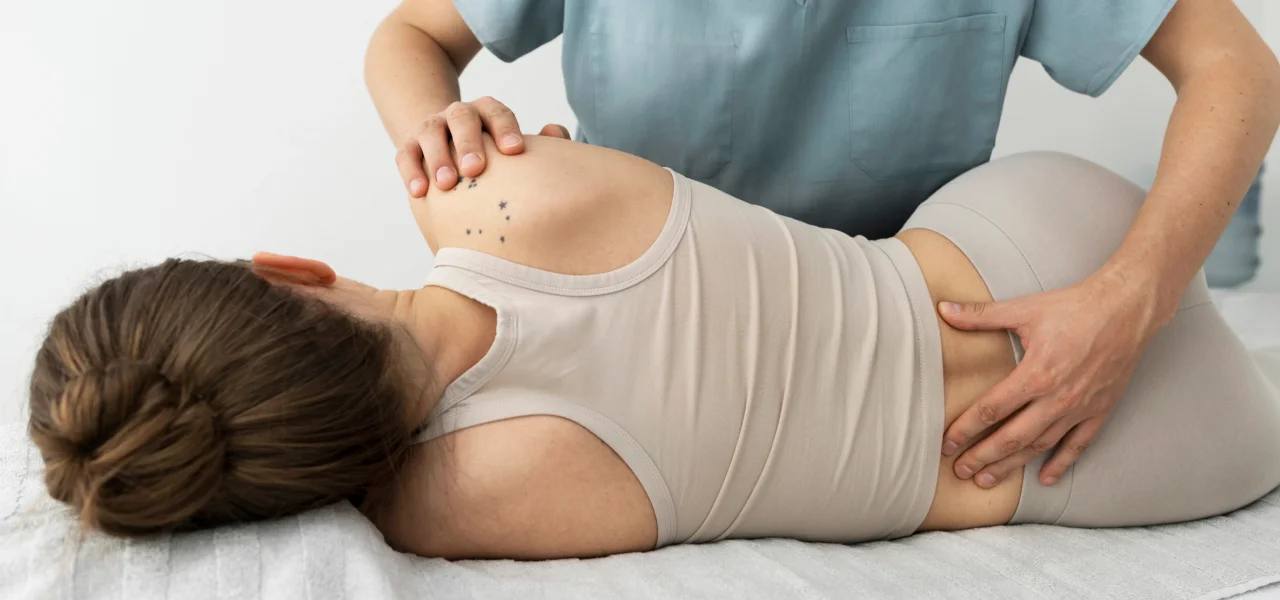
Osteopathy is a holistic approach to healthcare that focuses on the interrelationship between the bodys structuresuch as muscles, joints, and bonesand its function. It aims to improve the body’s ability to heal itself by using a variety of manual techniques. Osteopaths, or healthcare professionals trained in osteopathy, utilize soft tissue massage, joint manipulation, and stretching exercises to treat musculoskeletal dysfunctions, such as joint pain, muscle stiffness, and immobility. Osteopathy is particularly effective in treating joint and muscle dysfunctions, promoting mobility, reducing pain, and restoring balance to the musculoskeletal system.
What is Joint and Muscle Dysfunction?
Joint and muscle dysfunction refers to problems where the joints and muscles do not perform optimally, leading to discomfort, pain, stiffness, and restricted movement. These dysfunctions can result from various causes, including:
Injury or trauma: Accidents, sports injuries, or falls can lead to acute joint or muscle dysfunction.
Repetitive strain: Overuse of certain muscles or joints can cause chronic dysfunction and pain (e.g., carpal tunnel syndrome, tendonitis).
Poor posture: Incorrect posture places excessive strain on muscles and joints, leading to imbalances, pain, and dysfunction over time.
Degenerative conditions: Conditions such as arthritis or osteoarthritis can contribute to chronic joint stiffness and muscle weakness.
Osteopathy plays a vital role in addressing these issues and helping individuals regain mobility and reduce pain.
How Osteopathy Helps Treat Joint Dysfunction
Restoring Joint Mobility and Function
Joint dysfunction often leads to stiffness, limited range of motion, and pain. Osteopaths use techniques like joint manipulation and mobilization to restore movement and reduce discomfort. Joint manipulation involves applying controlled pressure to the joint, improving its mobility and relieving restrictions that might be causing pain. By improving joint function, osteopathy helps restore normal movement patterns, reducing the risk of further injury or compensatory movements that could lead to muscle strain.
Reducing Inflammation and Pain
Osteopathic treatments can help reduce inflammation and associated pain in joints, which is common in conditions like arthritis or after injury. Osteopaths use manual techniques such as soft tissue manipulation and myofascial release to increase circulation around the affected joint, which helps reduce inflammation and promote healing. By improving blood flow, osteopathy facilitates the delivery of oxygen and nutrients to the injured area, promoting tissue repair and reducing swelling.
Promoting Correct Alignment
Joint dysfunction is often linked to poor posture or misalignment of the spine and other joints in the body. When the bodys alignment is off, certain joints may bear more weight or pressure, leading to pain and dysfunction. Osteopathy aims to restore correct alignment by gently manipulating the bones and joints, particularly those in the spine, hips, and pelvis. Proper alignment ensures that the bodys joints move optimally and reduces strain on the muscles and connective tissues.
Reducing the Risk of Future Joint Issues
Regular osteopathic treatments can help prevent joint dysfunction by promoting proper movement patterns and addressing musculoskeletal imbalances. For example, if one joint is misaligned and compensates for another, it can cause future joint pain or stiffness. Osteopathy works to identify these patterns, address the underlying issues, and prevent future joint dysfunction.
How Osteopathy Helps Treat Muscle Dysfunction
Alleviating Muscle Tension
Muscle tension is one of the most common causes of musculoskeletal pain. Whether caused by overuse, injury, or poor posture, tight muscles can lead to discomfort and restricted movement. Osteopathy helps to alleviate muscle tension using techniques such as deep tissue massage, myofascial release, and muscle energy techniques. These techniques aim to release tight muscles, improve flexibility, and reduce pain. By relaxing the muscles, osteopaths help improve range of motion and restore normal movement patterns.
Addressing Muscle Imbalances
Muscle imbalances occur when certain muscles are overused or weakened, while others are underactive or stretched. This can lead to pain, poor posture, and joint dysfunction. For example, sitting for long periods can weaken the muscles in the lower back and hips while causing the muscles in the front of the body to tighten. Osteopaths identify these imbalances and work to correct them through targeted treatment. This may involve stretching tight muscles, strengthening weakened muscles, and using specific exercises to promote balanced muscle function and improve posture.
Improving Circulation and Healing
When muscles are injured or strained, they require increased blood flow to heal properly. Osteopathy enhances circulation to the muscles by using gentle manipulative techniques to encourage blood flow. This increased circulation delivers oxygen and nutrients to the muscles while also removing metabolic waste products. In addition to improving healing, better circulation helps to reduce muscle soreness and tension, allowing for quicker recovery from injuries.
Reducing Muscle Spasms
Muscle spasms can occur as a result of injury, overuse, or tension, causing pain and restricted movement. Osteopathy helps reduce spasms by applying gentle pressure and stretching to the affected area. Osteopaths also work on the surrounding muscles to release tension and break the cycle of spasms. This promotes muscle relaxation and reduces discomfort.
Supporting Recovery and Rehabilitation
After an injury, the muscles may become weakened or stiff, affecting mobility and strength. Osteopathy helps by designing individualized rehabilitation programs to help restore muscle function. These programs may include specific stretches, strengthening exercises, and manual therapy techniques aimed at improving muscle strength and mobility. Osteopathic treatments also help to reduce scar tissue and adhesions that may form after an injury, promoting a faster and more complete recovery.
The Holistic Approach of Osteopathy
One of the key features of osteopathy is its holistic approach. Unlike other treatments that focus solely on the specific area of pain or dysfunction, osteopathy looks at the body as a whole. An osteopath will assess the entire musculoskeletal system, considering factors such as posture, movement patterns, and lifestyle that may be contributing to joint and muscle dysfunction.
Osteopathy not only addresses the symptoms but also seeks to identify and treat the root cause of the dysfunction. This holistic approach leads to better long-term outcomes by improving the bodys overall alignment, function, and ability to heal itself.
The Benefits of Osteopathy for Joint and Muscle Dysfunction
Pain relief: Osteopathy helps alleviate joint and muscle pain by addressing the underlying causes of discomfort, promoting natural healing, and restoring mobility.
Improved flexibility and mobility: Osteopathic treatments restore joint mobility and improve muscle flexibility, allowing for smoother and more efficient movement.
Injury prevention: By improving alignment, correcting muscle imbalances, and addressing the root causes of dysfunction, osteopathy helps prevent future injuries and reduces the risk of chronic pain.
Enhanced circulation and healing: Osteopathy improves blood flow and promotes the bodys natural healing processes, speeding up recovery from injuries and reducing muscle stiffness and inflammation.
Holistic care: Osteopathy treats the whole body, ensuring that both the joints and muscles function optimally, improving overall health and well-being.
Conclusion: Osteopathy for Joint and Muscle Dysfunction
Osteopathy is an effective treatment for joint and muscle dysfunction, offering a range of techniques to improve mobility, reduce pain, and restore balance to the musculoskeletal system. Whether youre dealing with joint stiffness, muscle strain, or postural imbalances, osteopathic care can help improve your overall movement and alleviate discomfort. Through its holistic approach, osteopathy not only addresses the immediate symptoms but also works to prevent future dysfunction, ensuring long-term health and well-being.