The Role of Osteopathy in Treating Sports Injuries and Enhancing Recovery explores targeted strategies for recovery. Discover new paths to mobility, healing, and personalized care.

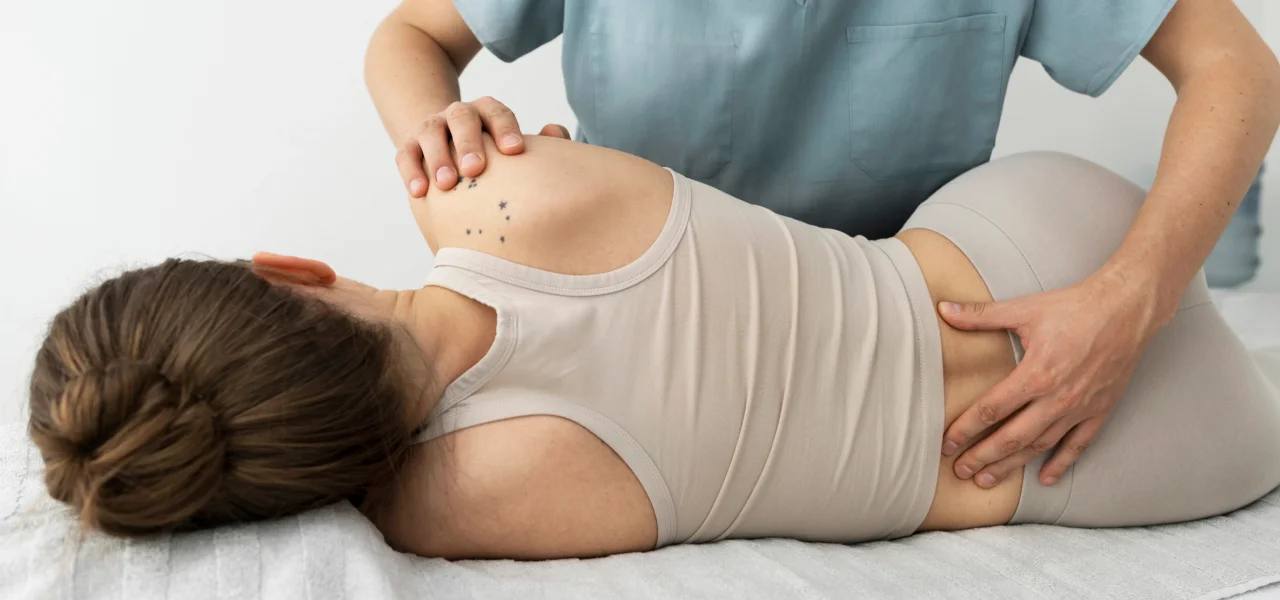
Osteopathy is a holistic healthcare approach that emphasizes the interrelationship between the bodys structure and function. It uses hands-on techniques such as stretching, joint manipulation, and massage to treat a wide range of conditions, including musculoskeletal injuries. For athletes or active individuals, osteopathy offers an effective method for not only treating sports injuries but also enhancing recovery, preventing further injuries, and improving overall physical performance. Osteopaths focus on restoring the body’s balance, optimizing movement, and promoting healing, making osteopathy a valuable tool in sports injury management.
How Osteopathy Treats Sports Injuries
Sports injuries often involve damage to the muscles, ligaments, tendons, and joints, resulting from trauma, overuse, or poor technique. Osteopathy provides a non-invasive, drug-free solution to alleviate pain, promote healing, and restore movement. Here’s how osteopathy helps treat various types of sports injuries:
1. Joint and Muscle Rehabilitation
In sports, injuries such as sprains, strains, or joint dislocations can impair joint mobility and muscle function. Osteopathic treatments, such as joint manipulation and mobilization, are effective in restoring joint function and alleviating pain. Joint manipulation uses controlled force to adjust misaligned joints, improving their range of motion, while joint mobilization involves gentle, controlled movements to restore joint mobility and reduce stiffness.
For muscle injuries like strains or tears, osteopaths use soft tissue manipulation and myofascial release techniques. These methods release tight fascia and relieve muscle tension, helping to improve flexibility, reduce pain, and restore normal muscle function.
2. Reducing Inflammation and Swelling
Inflammation is a natural response to injury, but excessive inflammation can delay healing and prolong recovery. Osteopaths use a variety of techniques to reduce inflammation and swelling, including lymphatic drainage and soft tissue massage. These techniques improve circulation and encourage the removal of waste products and excess fluids from the injured area, speeding up the healing process.
3. Relieving Muscle Tension and Spasms
Muscle tension and spasms are common after sports injuries, especially when muscles are overused or strained. Osteopathic treatments like trigger point therapy and muscle energy techniques help release muscle spasms and relax tight muscles. Trigger point therapy involves applying pressure to specific points in the muscle to release tightness, while muscle energy techniques use gentle contractions to stretch and strengthen the affected muscle.
By addressing muscle tension and spasms, osteopathy helps restore normal movement and reduces pain, allowing athletes to return to their activities faster and with greater comfort.
4. Treating Tendon and Ligament Injuries
Tendonitis, tendon tears, and ligament sprains are common injuries in athletes, often caused by overuse, sudden movements, or improper technique. Osteopathy addresses these injuries by improving joint function, reducing inflammation, and promoting healing in the affected tissues.
Osteopaths use a combination of joint manipulation, soft tissue therapy, and stretching techniques to enhance circulation, support tissue repair, and relieve pain. By improving the function of the muscles and joints around the injured area, osteopathy supports tendon and ligament recovery, helping athletes regain strength and flexibility.
How Osteopathy Enhances Recovery from Sports Injuries
Osteopathy doesnt just treat acute injuries; it also plays a vital role in rehabilitation and recovery, ensuring athletes return to peak performance with minimal risk of re-injury. Here’s how osteopathy can enhance the recovery process:
1. Promoting Circulation and Healing
Effective circulation is essential for tissue repair and recovery. Osteopathic techniques, such as soft tissue massage and myofascial release, help improve blood flow to injured areas, which aids in the delivery of oxygen and nutrients to the damaged tissues. Enhanced circulation also helps remove waste products and metabolic byproducts from the injury site, reducing inflammation and promoting faster healing.
By improving circulation, osteopathy accelerates the recovery process and helps prevent complications such as muscle stiffness, scar tissue formation, and chronic pain.
2. Preventing Re-Injury
Re-injury is a common concern for athletes returning to sport after an injury. Osteopathy helps prevent re-injury by addressing the underlying causes of the original injury, such as muscle imbalances, poor posture, or faulty movement patterns.
For example, if an athlete has a previous ankle injury, osteopathy can help realign the pelvis, hips, and spine, ensuring that the entire body functions efficiently during movement. Osteopaths may also recommend specific rehabilitation exercises to strengthen weak muscles, stretch tight muscles, and improve joint stability. By correcting these imbalances, osteopathy helps prevent the recurrence of the injury and supports long-term recovery.
3. Enhancing Flexibility and Range of Motion
Following an injury, its common for muscles, joints, and connective tissues to become stiff and tight, limiting flexibility and range of motion. Osteopathy works to restore flexibility by addressing fascial restrictions, muscle tightness, and joint stiffness. Techniques like stretching, myofascial release, and joint mobilization help lengthen muscles and improve the range of motion in the joints.
By restoring flexibility, osteopathy ensures that athletes can move more freely, enhancing their overall performance and reducing the likelihood of future injuries.
4. Strengthening the Musculoskeletal System
Rehabilitation after a sports injury often involves strengthening exercises to rebuild muscle strength and joint stability. Osteopaths design personalized rehabilitation programs that focus on strengthening weak muscles, improving muscle coordination, and restoring balance to the musculoskeletal system. These exercises may include core strengthening, postural exercises, and movement training.
Strengthening muscles around the injured area ensures that the joint is better supported, reducing the risk of re-injury and improving overall performance. Osteopathy helps athletes build a solid foundation of strength and stability, allowing them to return to their sport with confidence.
How Osteopathy Prevents Future Sports Injuries
Osteopathy is not just a reactive treatment for injuriesit also plays a crucial role in injury prevention. By addressing postural imbalances, muscle weaknesses, and movement dysfunctions, osteopathy helps reduce the risk of future injuries and ensures that the body is functioning optimally.
1. Improving Biomechanics and Movement Patterns
Proper biomechanics and efficient movement patterns are key to preventing sports injuries. Osteopaths assess the way athletes move, looking for faulty movement patterns or muscle imbalances that could lead to injury. For example, poor running form, improper lifting techniques, or compensating for muscle weakness can increase the risk of injury.
Osteopathic treatments focus on correcting these movement inefficiencies, improving coordination, and ensuring that the body moves fluidly and with balance. By training athletes to move with better alignment and technique, osteopathy helps prevent injuries caused by improper movement patterns.
2. Enhancing Muscle Function and Posture
Injury prevention often involves addressing muscle imbalances and postural misalignments. Osteopaths evaluate an athlete’s posture and muscle function to identify weaknesses or tightness that could contribute to future injuries. For example, an athlete with tight hamstrings and weak glutes may be more prone to hamstring strains.
Osteopaths work to correct these imbalances through stretching, strengthening, and manual therapy. By improving muscle function and posture, osteopathy helps prevent injuries and supports overall physical performance.
Conclusion: The Role of Osteopathy in Treating Sports Injuries and Enhancing Recovery
Osteopathy is an effective treatment for sports injuries, offering pain relief, promoting healing, and enhancing recovery. Through techniques like joint manipulation, myofascial release, soft tissue massage, and rehabilitation exercises, osteopathy helps restore movement, reduce inflammation, and improve flexibility. Furthermore, osteopathy plays a key role in preventing re-injury by correcting muscle imbalances, improving posture, and optimizing movement patterns.