The Role of Osteopathy in Treating Sports-Related Musculoskeletal Injuries explores targeted strategies for recovery. Discover new paths to mobility, healing, and personalized care.

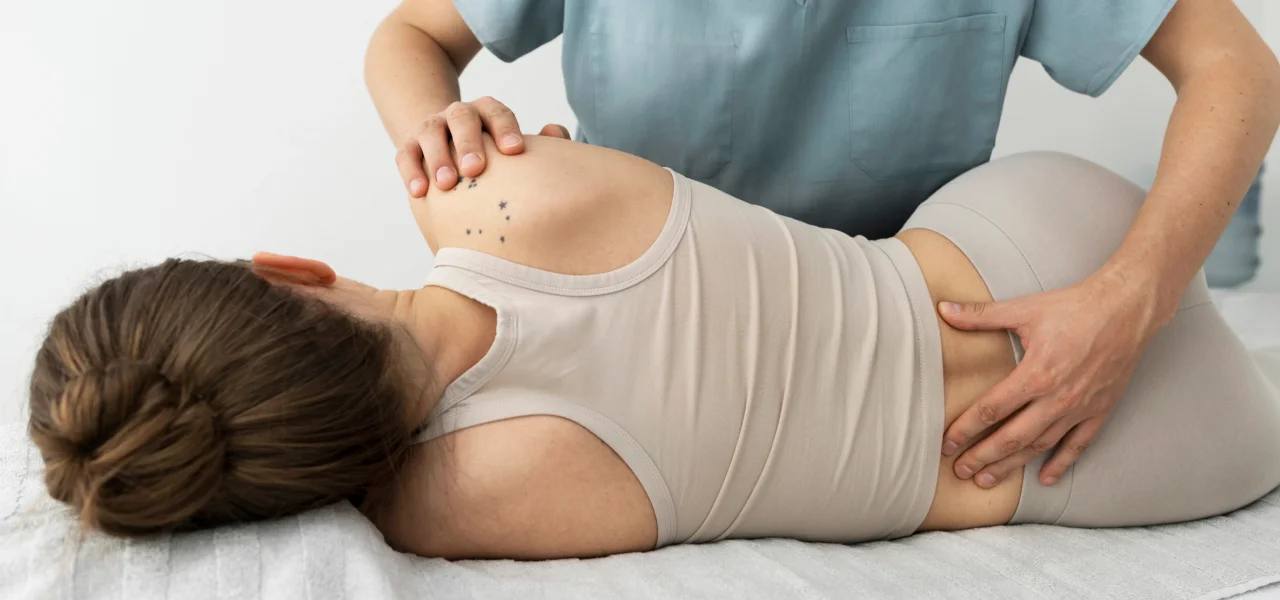
Sports-related musculoskeletal injuries are a common challenge faced by athletes, ranging from amateur weekend warriors to professional competitors. These injuries can vary from strains, sprains, and joint pain to more complex issues like ligament tears and fractures. Osteopathy, with its holistic approach to health and wellness, is increasingly recognized as an effective method for treating sports injuries, promoting recovery, and preventing future injuries. Here’s how osteopathy plays a pivotal role in treating sports-related musculoskeletal injuries.
Understanding Osteopathy
Osteopathy is a system of healthcare that focuses on the interrelationship between the bodys structure (bones, muscles, joints, and tissues) and its function. Osteopaths use a range of hands-on techniques, including stretching, massage, and manipulation of the muscles and joints, to diagnose, treat, and prevent conditions that affect the musculoskeletal system. The aim is to restore the bodys natural movement patterns and promote healing by optimizing the body’s inherent ability to repair itself.
Osteopathys Role in Treating Sports Injuries
Pain Relief and Inflammation Reduction
One of the primary reasons athletes seek osteopathic treatment is for pain relief. Sports injuries often involve inflammation in the muscles, tendons, and joints, leading to discomfort and restricted movement. Osteopaths use techniques like soft tissue massage, stretching, and joint mobilizations to reduce muscle tension, alleviate pain, and promote the flow of blood and lymph to the injured area. This helps to reduce inflammation and accelerate the healing process.
Restoring Range of Motion and Flexibility
After an injury, stiffness and reduced mobility are common concerns. Osteopathy aims to restore full range of motion and flexibility by working on the soft tissues and joints around the injured area. For instance, after an ankle sprain or a knee injury, osteopathic techniques such as joint manipulation or myofascial release can help realign joints and muscles, breaking down scar tissue and improving flexibility. This promotes better mobility, allowing athletes to return to their sport more quickly and with greater ease.
Improving Circulation for Faster Healing
Proper circulation is essential for healing, as it ensures that the tissues receive the necessary nutrients and oxygen for repair. Osteopathic treatments encourage better blood flow to injured areas by manipulating the bodys tissues. This enhanced circulation helps remove metabolic waste products from the site of injury and delivers vital nutrients to speed up tissue repair and reduce recovery time.
Addressing Postural Imbalances and Biomechanical Issues
Many sports injuries are not solely the result of trauma but are also caused by postural imbalances or faulty movement patterns. Poor posture, overuse, or improper technique can put additional stress on certain parts of the body, increasing the risk of injury. Osteopaths evaluate the entire body to detect any structural or biomechanical issues contributing to the injury. By correcting these imbalances, osteopathy reduces strain on the injured area and prevents further damage. For example, a runner with poor gait mechanics may be more prone to knee or shin injuries, and osteopathic treatment can help realign the hips, pelvis, and knees to improve running technique and reduce future risk.
Rehabilitation and Strengthening
After the acute pain of an injury subsides, rehabilitation becomes a key part of recovery. Osteopaths not only treat the injury site but also help the athlete regain strength, flexibility, and stability in the surrounding muscles. This may involve exercises designed to strengthen weak or injured muscles, improve posture, and restore normal movement patterns. The goal is to return the athlete to peak physical condition while preventing re-injury by focusing on the bodys overall alignment and function.
Preventing Future Injuries
A major advantage of osteopathy is its focus on preventative care. Osteopaths do not only treat the current injury but also work with athletes to ensure that the risk of future injuries is minimized. Through an individualized treatment plan, osteopaths can help athletes improve their biomechanics, enhance flexibility, and strengthen muscles, reducing the likelihood of strain or overuse injuries. Additionally, osteopaths may provide advice on posture, stretching, and lifestyle modifications to further reduce injury risk.
Holistic Approach to Recovery
Osteopathy treats the body as a whole, taking into account not only the specific injury but also the overall health and well-being of the athlete. Osteopaths consider the physical, emotional, and mental aspects of recovery, working to improve the athletes general health. In addition to manual therapies, osteopaths may suggest lifestyle changes, such as improvements in sleep, nutrition, and stress management, which can support the bodys natural healing processes and overall performance.
Common Sports Injuries Treated with Osteopathy
Sprains and Strains: Soft tissue injuries, like sprained ankles or strained hamstrings, are common in sports. Osteopathy can help reduce pain, improve circulation, and restore function in the affected area.
Tendinitis: Chronic overuse injuries, such as tendinitis in the elbow or shoulder, are frequently treated with osteopathy. Osteopaths focus on reducing inflammation, improving mobility, and correcting any biomechanical issues contributing to the injury.
Joint Injuries: Osteopathy is effective for treating injuries to joints, such as dislocated shoulders or knee injuries. Osteopathic manipulations can help restore alignment and improve the range of motion.
Post-Surgery Recovery: After surgery for sports injuries, osteopathy can play a crucial role in rehabilitation. Osteopaths help promote healing, reduce scarring, and restore movement.
Back and Neck Pain: Many athletes experience back and neck pain, which can be caused by poor posture, misalignments, or muscle imbalances. Osteopathy can help alleviate this pain and prevent long-term discomfort.
How Osteopathy Enhances Performance
In addition to treating injuries, osteopathy can help athletes optimize their performance. By ensuring proper alignment and movement patterns, osteopathic treatment can improve balance, flexibility, and coordination. Osteopaths also work on the bodys overall energy efficiency, ensuring that the muscles and joints work in harmony, which enhances endurance, strength, and speed. Whether you’re training for a marathon or playing a competitive sport, osteopathy helps you achieve peak performance while reducing the risk of injuries.
Conclusion: Osteopathy for Sports Injury Treatment and Prevention
Osteopathy offers a comprehensive approach to treating sports-related musculoskeletal injuries, focusing on pain relief, healing, and long-term prevention. By addressing the root causes of injury, improving biomechanics, and enhancing the bodys overall function, osteopathy allows athletes to recover faster, prevent future injuries, and perform at their best. Whether you are recovering from an injury or simply looking to maintain your athletic performance, osteopathy is an effective and holistic tool to help you stay healthy and active.