Pelvic pain is a common and often debilitating condition that affects many women across all life stages. Whether it stems from menstruation, childbirth, posture, injury, or hormonal shifts, pelvic pain can interfere with daily activities, physical movement, intimacy, and overall well-being.

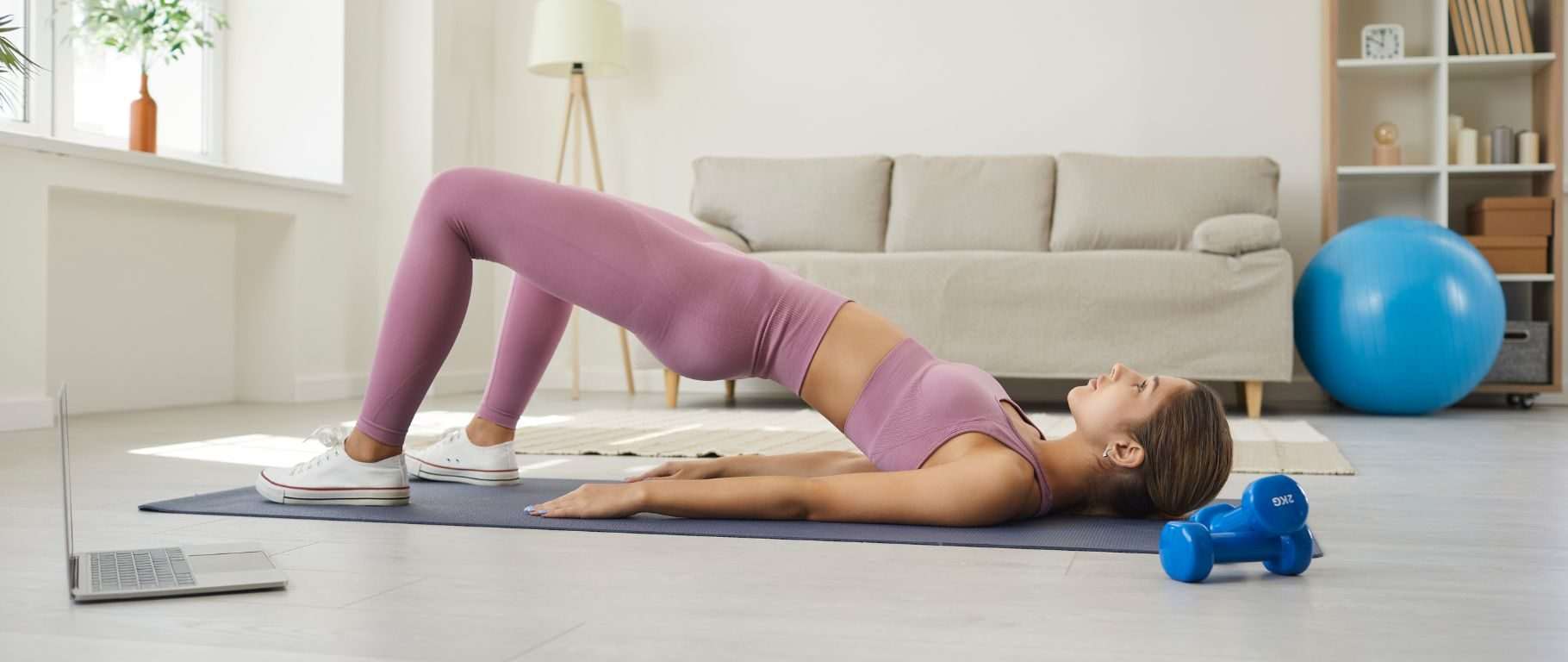
Pelvic pain is a common and often debilitating condition that affects many women across all life stages. Whether it stems from menstruation, childbirth, posture, injury, or hormonal shifts, pelvic pain can interfere with daily activities, physical movement, intimacy, and overall well-being. One of the most effective and accessible ways to prevent pelvic pain is through pelvic floor exercises, guided by a qualified physiotherapist.
Pelvic floor exercises strengthen, stabilize, and coordinate the muscles that support the bladder, uterus, bowel, and spine. When practiced correctly and consistently, these exercises play a key role in preventing the onset of pain and dysfunction.
What Causes Pelvic Pain?
Pelvic pain can arise from a wide range of causes. It may be acute or chronic, and can result from:
Muscle weakness or overactivity
Poor posture or prolonged sitting
Childbirth-related injuries
Endometriosis or other gynecological conditions
Urinary tract or bowel dysfunction
Pelvic organ prolapse
Scar tissue or nerve irritation
In many cases, pelvic pain is associated with muscular imbalances or lack of coordination in the pelvic floor. This is where physiotherapy and targeted exercise can help.
How Pelvic Floor Exercises Help Prevent Pain
Pelvic floor exercises are not just about “squeezing” muscles. When taught properly, they involve activation, relaxation, endurance training, and coordination. A pelvic floor physiotherapist customizes exercise programs to match individual anatomy, lifestyle, and symptoms.
Key benefits include:
1. Improved Muscle Function and Endurance
Strengthening weak pelvic muscles improves their ability to support organs and maintain proper alignment, reducing strain on the surrounding areas. This can prevent pain during everyday activities such as lifting, walking, or using the bathroom.
2. Enhanced Muscle Relaxation and Coordination
Sometimes, pelvic pain arises from overactive or tight pelvic floor muscles. Learning how to properly relax and coordinate these muscles can reduce spasms and relieve tension, especially in cases of chronic pelvic pain or sexual discomfort.
3. Increased Blood Flow and Tissue Health
Regular pelvic floor engagement increases circulation to the pelvic area, promoting tissue oxygenation and healing. This is especially helpful after childbirth or surgery, where reduced blood flow can delay recovery and lead to discomfort.
4. Postural and Core Stability
The pelvic floor works in tandem with the core muscles to stabilize the spine and pelvis. Poor alignment and weak core muscles can place extra pressure on the pelvic region, leading to pain. Exercises that integrate posture and breathing with pelvic floor engagement reduce this risk.
5. Pain Prevention in High-Risk Life Stages
Pregnancy, postpartum recovery, and menopause are high-risk periods for developing pelvic pain. A physiotherapist can design safe, effective exercise routines that adapt to the demands of each stage, reducing stress on the pelvic tissues and supporting long-term comfort.
Starting a Pelvic Floor Exercise Routine
Before beginning any routine, it is essential to undergo an assessment by a pelvic health physiotherapist. They will evaluate muscle tone, function, posture, and coordination to tailor the right program. This approach ensures the exercises address your specific needs, whether they involve strengthening, stretching, or coordination drills.
The program may include:
Basic pelvic floor contractions (Kegels)
Relaxation and breathing techniques
Core integration exercises
Functional movements that mimic real-life tasks
Consistency and proper technique are critical. Many women perform pelvic floor exercises incorrectly without guidance, which can exacerbate pain instead of preventing it.
Pelvic Floor Exercises for Prevention, Not Just Treatment
One of the greatest advantages of pelvic floor exercises is that they are preventive, not just reactive. Building a strong, flexible, and well-coordinated pelvic floor before symptoms appear can help:
Reduce the likelihood of urinary incontinence
Prevent pelvic organ prolapse
Support comfortable movement and posture
Decrease the risk of painful intercourse or menstrual cramping
For women who already experience mild discomfort, early intervention through physiotherapy can prevent the progression to chronic pain.
Final Thoughts
Pelvic floor exercises are a powerful tool for preventing pelvic pain when guided by a professional physiotherapist. Whether you’re preparing for pregnancy, navigating menopause, or simply looking to stay strong and pain-free, regular pelvic floor training helps build resilience in one of the most important muscle groups in the body. With proper guidance and consistency, these exercises offer long-term protection against pelvic discomfort and support overall womens health.