The Role of Pelvic Floor Physiotherapy in Preventing Future Dysfunction explores targeted strategies for recovery. Discover new paths to mobility, healing, and personalized care.

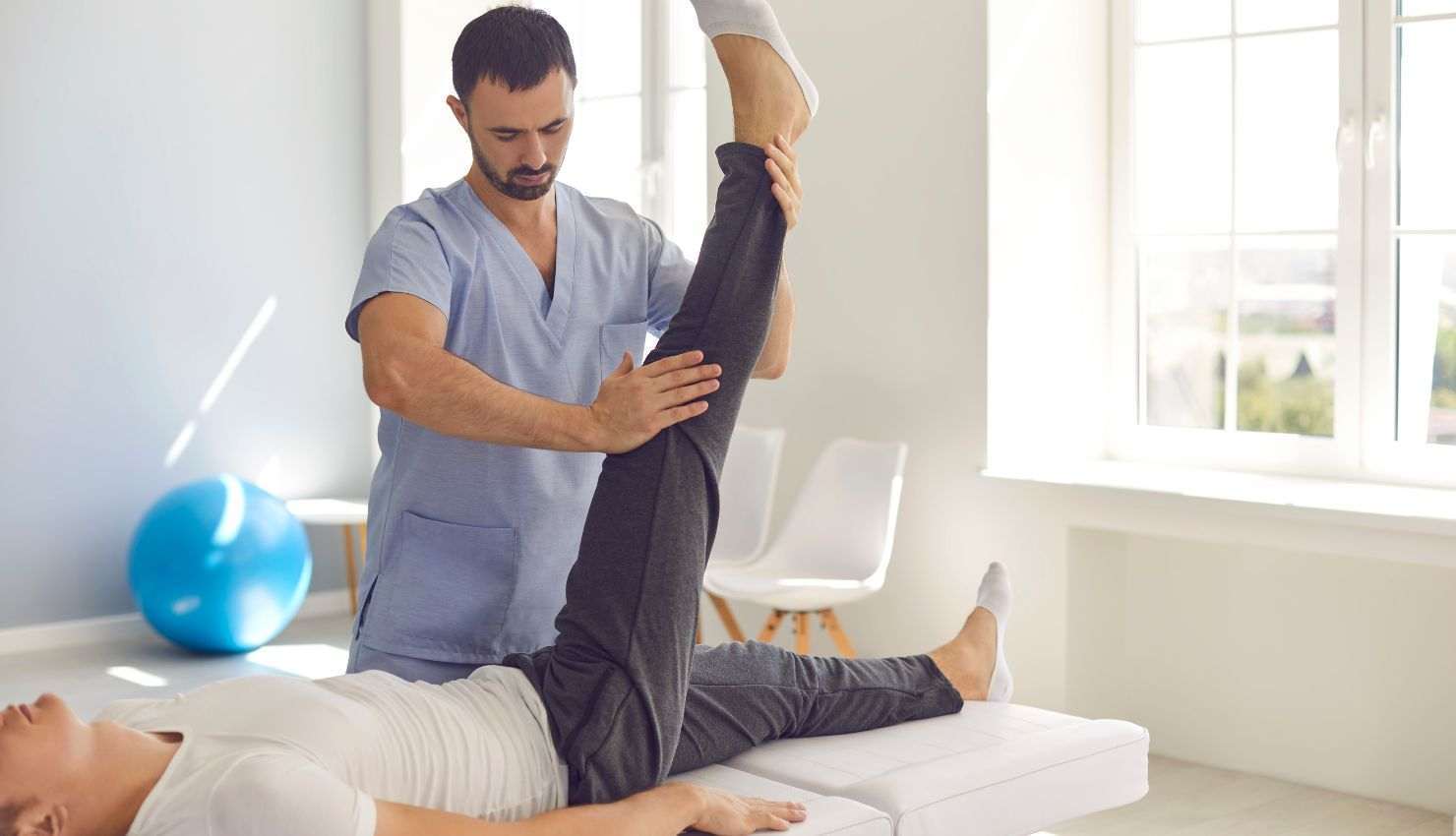
When people think about pelvic floor physiotherapy, they often associate it with treatmentaddressing symptoms like incontinence, pelvic pain, or postpartum recovery. But one of the most important and overlooked roles of pelvic floor physiotherapy is prevention. Just like we exercise to stay fit and see dentists to avoid cavities, pelvic floor physiotherapy is a proactive way to protect your pelvic healthbefore dysfunction ever begins.
Pelvic floor dysfunction can develop gradually over time, often without noticeable symptoms until it begins to affect your daily life. But with proper education, assessment, and early intervention, these problems can be identified and addressed before they escalate.
In this blog, well explore how pelvic floor physiotherapy plays a vital role in preventing future dysfunction and maintaining lifelong pelvic healthfor people of all ages and stages.
What Is Pelvic Floor Dysfunction?
The pelvic floor is a group of muscles, ligaments, and connective tissues at the base of the pelvis. These muscles support key organs like the bladder, bowel, uterus (in women), and prostate (in men), and they help manage:
Urination and bowel movements
Sexual function
Core and spinal stability
Posture and breathing coordination
When these muscles become too weak, too tight, poorly coordinated, or damaged, it results in pelvic floor dysfunction. Common symptoms include:
Urinary incontinence (leaking with activity or urgency)
Constipation or incomplete bowel movements
Pelvic organ prolapse (a sense of heaviness or bulging)
Pain during sex or pelvic exams
Chronic lower back, hip, or pelvic pain
Difficulty controlling gas or stool
While many people only seek help once symptoms disrupt their life, pelvic floor dysfunction often begins long before that pointand early physiotherapy can stop it in its tracks.
Why Prevention Matters
Many life events and lifestyle factors increase the risk of pelvic floor issues. These include:
Pregnancy and childbirth
High-impact exercise or heavy lifting
Chronic coughing, sneezing, or constipation
Hormonal changes (e.g., menopause)
Sitting or standing for prolonged periods
Surgery in the abdominal or pelvic region
Age-related muscle loss
While some of these are unavoidable, the effects dont have to be. Preventative pelvic floor physiotherapy can help you navigate these changes safely and maintain strong, responsive, and well-functioning muscles for the long term.
How Pelvic Floor Physiotherapy Prevents Dysfunction
1. Early Detection of Muscle Imbalances
A comprehensive pelvic floor assessment allows a physiotherapist to identify issues before symptoms occur. They can detect:
Weak or underactive pelvic floor muscles
Overactive or tight muscles that restrict function
Poor coordination with breathing and core engagement
Postural habits that create excess strain
By identifying these imbalances early, physiotherapy can restore optimal muscle functionbefore pain, pressure, or leakage begin.
2. Education for Life Events and Transitions
Major life events such as pregnancy, childbirth, surgery, and menopause place significant demands on the pelvic floor. Physiotherapy prepares you for these transitions by:
Teaching you how to activate and relax the pelvic floor properly
Providing movement strategies to reduce strain during daily tasks
Helping you understand changes in hormone levels and tissue response
Equipping you with tools to prevent incontinence, prolapse, or discomfort
Education leads to empowermentand empowered people make informed, health-supportive choices.
3. Supports Functional Movement and Posture
Pelvic floor dysfunction isnt just about isolated musclesits linked to how you move, breathe, and hold your body. Preventative pelvic floor physiotherapy addresses:
How you lift, bend, and sit
How your pelvic floor coordinates with your diaphragm and core
Breath mechanics and pressure management during exertion
Alignment and mobility through the hips and spine
By training your body to move efficiently and safely, you reduce the risk of strain on the pelvic region and improve whole-body function.
4. Protects Against the Effects of Aging
As we age, muscle mass and connective tissue strength naturally decline. This includes the pelvic floor, increasing the risk of incontinence and prolapseespecially during menopause and beyond.
Pelvic physiotherapy provides strategies to:
Maintain or rebuild muscle strength and tone
Support bladder and bowel control
Address vaginal dryness or discomfort
Promote independence and active living for longer
Starting early is keybut even if youre already noticing changes, physiotherapy can help reverse them and prevent further progression.
5. Reduces Risk of Post-Surgical Complications
People recovering from surgeries such as hysterectomy, prostatectomy, or abdominal procedures often experience secondary pelvic floor issues. Preventative physiotherapy can:
Strengthen the pelvic floor before surgery to support healing
Minimize post-surgical incontinence, pain, or prolapse
Help restore proper movement patterns and prevent compensations
Reduce fear and anxiety around returning to activity
With a pre- and post-surgery plan in place, your pelvic floor can remain stable and resilient during recovery.
6. Empowers You to Take Control of Your Health
Many people dont realize that pelvic floor issues are not just part of aging or normal after childbirth. Preventative physiotherapy helps you break through that misconception by:
Understanding what is normal and what is not
Learning techniques to support your pelvic health every day
Gaining tools to confidently manage symptoms if they do arise
Building a foundation for movement, intimacy, and strength
This proactive approach leads to better health outcomes, reduced healthcare costs, and a higher quality of life.
When to Start Preventative Pelvic Floor Physiotherapy
You dont need to wait for a diagnosis or injury to begin. Consider pelvic floor physiotherapy if you are:
Planning for pregnancy or currently pregnant
Preparing for or recovering from pelvic or abdominal surgery
Experiencing early signs of incontinence or pelvic pressure
An active individual engaged in high-impact fitness or lifting
Approaching or navigating menopause
Seeking a holistic approach to core and postural strength
Early intervention means less treatment, faster results, and better prevention.
YourFormSux: Pelvic Health Experts in Toronto
At YourFormSux, we believe that prevention is powerful. Our Toronto-based clinic offers:
Detailed pelvic health assessmentseven if youre asymptomatic
Movement education to support pelvic wellness during life transitions
Exercise plans tailored to your lifestyle and fitness level
A respectful, private, and inclusive environment
Whether youre preparing for the future or simply want to feel your best, were here to help you build lasting pelvic health.
Final Thoughts: Dont Wait for Dysfunction to Act
Pelvic floor physiotherapy isnt just for those in painits for anyone who wants to move, age, and live with strength and freedom. Preventing dysfunction is always easier than treating it. By taking proactive steps now, you protect yourself from discomfort, limitations, and unnecessary interventions later.