Knee pain can be a real game-changer whether it’s a dull ache that creeps in over time or a sharp jolt that stops you in your tracks. It can make simple things like walking, climbing stairs, or even getting out of a chair feel like a challenge.

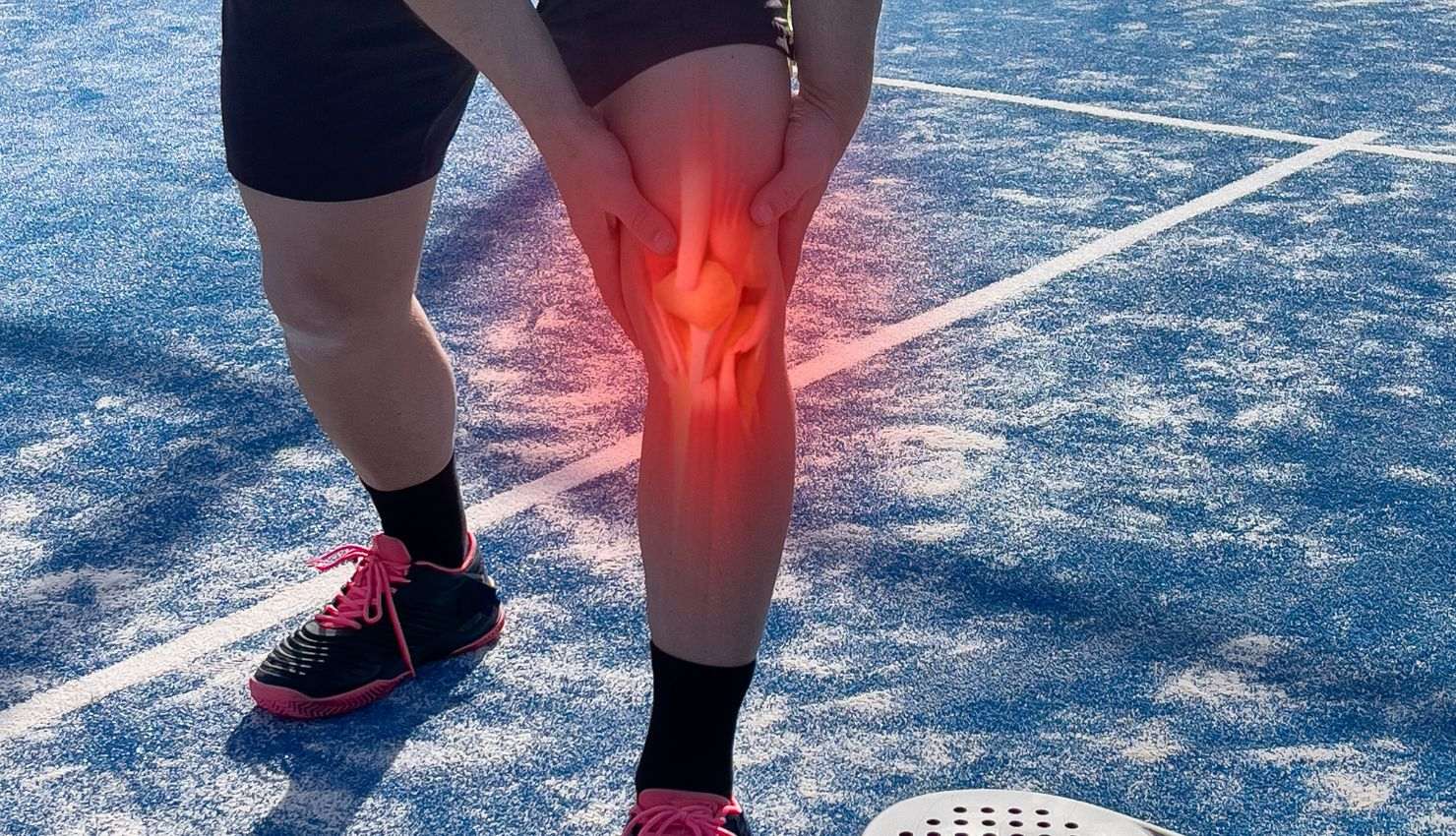
Knee pain can be a real game-changer whether it’s a dull ache that creeps in over time or a sharp jolt that stops you in your tracks. It can make simple things like walking, climbing stairs, or even getting out of a chair feel like a challenge. But heres the good news: physiotherapy offers a proven, non-invasive way to reduce knee pain and restore comfortable movement without relying solely on medication or surgery.
Lets explore how physiotherapy works to relieve knee pain and help you get back to doing the things you enjoy.
?? Common Causes of Knee Pain
Before diving into treatment, its helpful to know where knee pain comes from. Some of the most common causes include:
Osteoarthritis (age-related wear and tear)
Patellofemoral pain syndrome (pain around the kneecap)
Ligament injuries (like ACL or MCL sprains)
Meniscus tears
Tendinitis (inflammation of tendons, often from overuse)
Post-surgical pain (such as after a knee replacement or ACL surgery)
Whether your pain is due to injury, overuse, or chronic conditions, physiotherapy is designed to treat the root of the problem not just the symptom.
?? How Physiotherapy Helps Relieve Knee Pain
1?? Accurate Assessment and Diagnosis
Every case of knee pain is different. Your physiotherapist will start with a full assessment to figure out:
Which structures are involved (muscles, ligaments, cartilage, etc.)
How your knee moves and functions
Whether weakness, tightness, or imbalance is contributing to the issue
What your daily activities or posture might be doing to aggravate it
With this insight, theyll develop a personalized plan because theres no one-size-fits-all solution for knee pain.
2?? Pain Relief Techniques
The first goal in physiotherapy is often to get your pain under control. Physiotherapists use a variety of tools to help:
Ice or heat therapy to reduce swelling and ease stiffness
TENS (electrical nerve stimulation) for pain modulation
Ultrasound therapy to promote healing in soft tissues
Taping or bracing for joint support
These techniques make it easier for you to move which is key to long-term recovery.
3?? Targeted Strengthening Exercises
Strong muscles take pressure off painful joints. Your physiotherapist will guide you through exercises that build strength in:
Quadriceps (the muscles in the front of the thigh)
Hamstrings (the back of the thigh)
Glutes (your hip muscles)
Calves and core for overall leg support
These exercises are usually low-impact and tailored to your pain level and ability. Over time, they improve joint stability and reduce stress on the knee.
4?? Stretching and Mobility Work
Tight muscles and stiff joints often play a big role in knee pain. Your physiotherapist will help stretch and mobilize areas like:
Hip flexors
Hamstrings
Calves
IT band (outer thigh)
Improving flexibility helps your knee move more freely and reduces pain during walking, bending, or squatting.
5?? Manual Therapy and Joint Mobilization
In some cases, hands-on treatment is used to reduce pain and improve knee function. This might include:
Soft tissue massage
Trigger point release
Gentle joint mobilizations
These techniques relieve tension, reduce swelling, and restore natural movement to the knee and surrounding joints.
6?? Gait and Movement Re-Training
Knee pain often changes the way you move sometimes without you even realizing it. A physiotherapist can help you:
Re-learn proper walking or running form
Improve posture and balance
Correct imbalances in how you stand, sit, or climb stairs
These changes may seem small, but they can significantly reduce strain on your knees.
7?? Preventing Future Flare-Ups
One of the biggest perks of physiotherapy is that its not just reactive its preventive. Youll learn how to:
Strengthen supporting muscles
Improve joint alignment
Choose proper footwear
Warm up and cool down effectively for exercise
Avoid positions or habits that overload your knees
The goal? Long-term relief and stronger, more resilient knees.
In a Nutshell
Knee pain doesnt have to hold you back. Physiotherapy offers a safe, effective, and highly personalized path to recovery. By combining hands-on care, targeted exercise, and expert guidance, physiotherapy doesnt just manage your symptoms it helps fix the underlying issues.
So whether you’re dealing with chronic discomfort or recovering from an injury, physiotherapy can help you move more comfortably, confidently, and pain-free.