Pelvic wellness is a fundamental part of womens health, encompassing the strength, flexibility, and proper function of the pelvic floor muscles and supporting structures. Physiotherapy plays a crucial role in enhancing pelvic wellness by offering targeted treatments that address common pelvic issues and promote overall pelvic health.

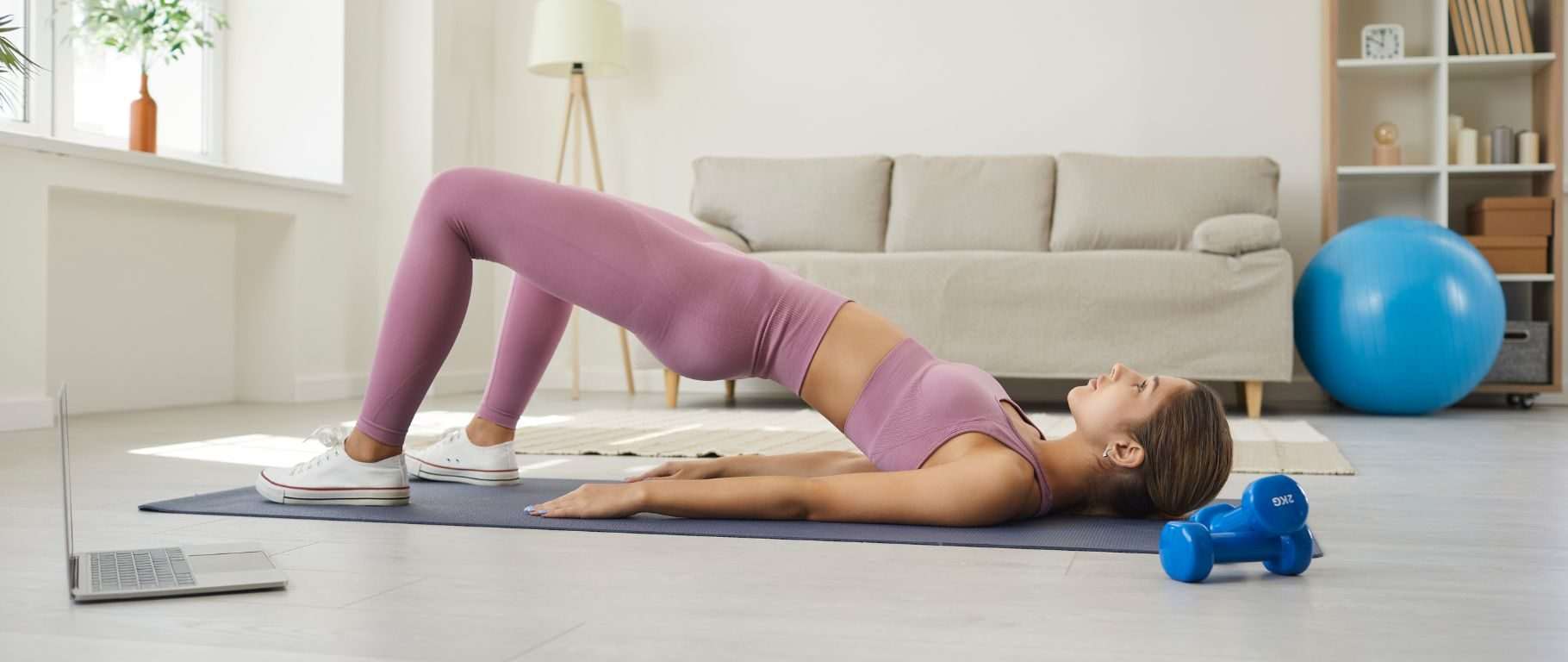
Pelvic wellness is a fundamental part of womens health, encompassing the strength, flexibility, and proper function of the pelvic floor muscles and supporting structures. Physiotherapy plays a crucial role in enhancing pelvic wellness by offering targeted treatments that address common pelvic issues and promote overall pelvic health. For women facing pelvic discomfort, dysfunction, or seeking preventive care, physiotherapy provides effective, personalized solutions.
Understanding Pelvic Wellness
The pelvic floor muscles form a supportive base for the pelvic organs, including the bladder, uterus, and rectum. These muscles contribute to urinary and bowel control, sexual function, core stability, and pelvic alignment. Maintaining pelvic wellness is essential for preventing issues like incontinence, pelvic organ prolapse, pelvic pain, and sexual dysfunction.
Women often encounter pelvic challenges during key life stages such as pregnancy, childbirth, menopause, or after pelvic surgery. Hormonal changes, physical strain, and muscle injury can all affect pelvic function. Physiotherapy offers a proactive and therapeutic approach to help women maintain or regain pelvic wellness throughout these transitions.
How Physiotherapy Enhances Pelvic Wellness
Comprehensive Assessment
Pelvic health physiotherapists perform detailed evaluations to assess muscle strength, coordination, flexibility, and posture. This assessment helps identify dysfunction and guide personalized treatment plans.
Targeted Exercise Programs
Physiotherapy incorporates tailored pelvic floor exercises that strengthen weak muscles and relax tight ones. These exercises improve muscle tone, endurance, and neuromuscular control essential for pelvic health.
Manual Therapy Techniques
Hands-on treatments such as myofascial release and trigger point therapy relieve muscle tension, improve blood flow, and promote tissue healing in the pelvic region.
Education and Lifestyle Modifications
Physiotherapists educate women on proper posture, body mechanics, bladder and bowel habits, and strategies to reduce pelvic strain. These lifestyle changes support long-term pelvic wellness.
Pain Management
For women experiencing pelvic pain, physiotherapy offers pain-relieving techniques, including relaxation exercises, breathing strategies, and biofeedback, helping to reduce discomfort and improve function.
Postpartum and Surgical Rehabilitation
After childbirth or pelvic surgery, physiotherapy aids in restoring muscle function, reducing scar tissue, and improving mobility to support recovery and prevent future complications.
Benefits of Physiotherapy for Pelvic Wellness
Improved Muscle Function: Restores pelvic floor strength and coordination.
Enhanced Quality of Life: Reduces symptoms like incontinence and pain.
Preventive Care: Helps maintain pelvic health during pregnancy, postpartum, and menopause.
Non-Invasive Treatment: Provides a safe alternative to surgery or medication.
Empowerment: Equips women with knowledge and exercises for self-care.
When to Consider Pelvic Physiotherapy
Women should consider pelvic floor physiotherapy if they experience symptoms such as urinary leakage, pelvic discomfort, constipation, or sexual dysfunction. Even without symptoms, physiotherapy can be beneficial as a preventive measure during major life transitions or when engaging in high-impact activities.
Conclusion
Physiotherapy is an essential component in enhancing pelvic wellness for women. Through personalized assessment, targeted exercises, manual therapy, and education, physiotherapists help women maintain pelvic health, recover from dysfunction, and improve their overall quality of life. Prioritizing pelvic wellness with physiotherapy empowers women to live confidently and comfortably at every stage of life.