The Role of Physiotherapy in Improving Physical Health During Hormonal Changes explores targeted strategies for recovery. Discover new paths to mobility, healing, and personalized care.

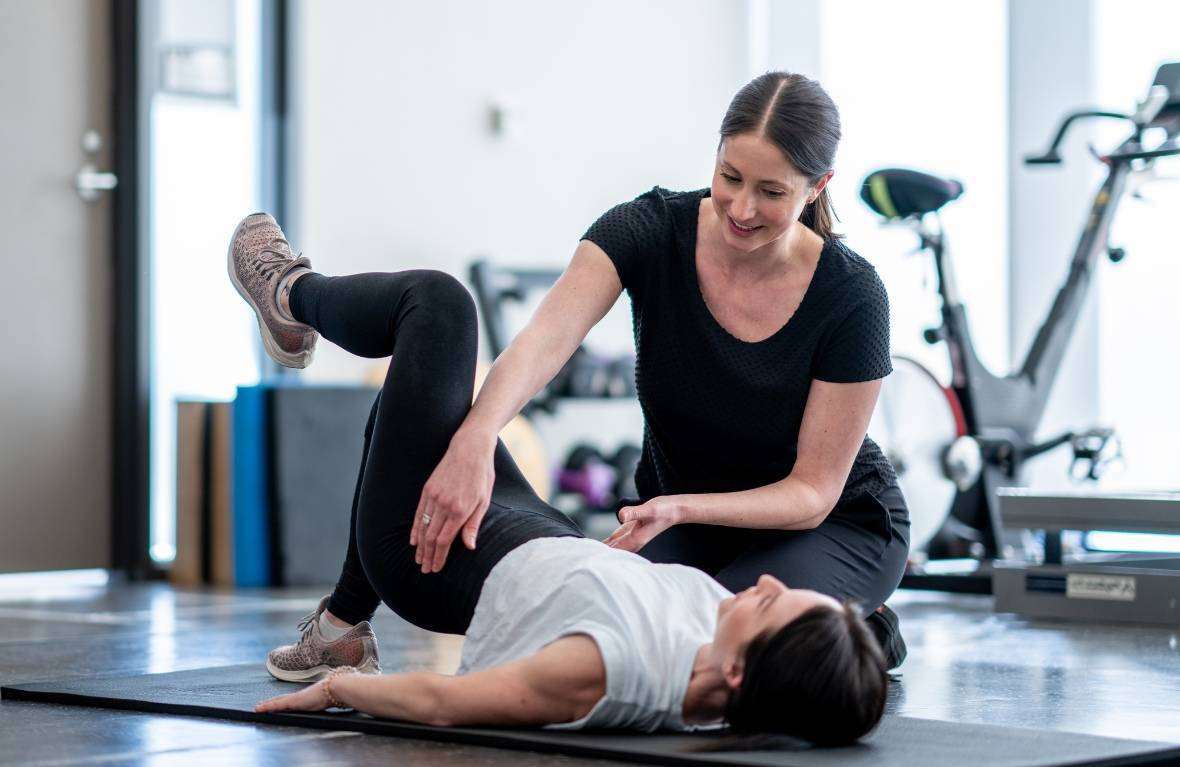
Hormonal changes are a natural part of life, especially for women experiencing puberty, pregnancy, menopause, or other life stages. These fluctuations often bring a range of physical and emotional symptoms that can affect overall well-being. While many people focus on medication or lifestyle changes to manage these shifts, physiotherapy is an often overlooked but powerful tool in supporting physical health during hormonal changes.
At YourFormsUX.com in Canada, we understand how important it is to explore every avenue that promotes holistic health. Physiotherapy offers personalized treatments designed to alleviate discomfort, improve mobility, and enhance strength all crucial during times when your body is adjusting hormonally.
Understanding Hormonal Changes and Their Physical Impact
Hormones regulate many bodily functions, including metabolism, mood, muscle strength, bone density, and cardiovascular health. When hormones fluctuate, as in menopause or thyroid imbalances, you might experience symptoms such as joint pain, muscle weakness, fatigue, and even decreased bone density. These physical changes can limit daily activities and reduce overall quality of life.
Physiotherapy can play a pivotal role in addressing these symptoms by targeting the root causes of discomfort and promoting physical resilience.
How Physiotherapy Supports Physical Health During Hormonal Shifts
Pain Relief and Management
Hormonal changes can lead to increased joint stiffness and muscle pain. Physiotherapists use techniques like manual therapy, soft tissue massage, and targeted exercises to reduce pain and inflammation. This can be particularly beneficial for those dealing with arthritis symptoms that flare during menopause.
Improving Mobility and Flexibility
Reduced estrogen levels during menopause can cause decreased joint lubrication and flexibility. Physiotherapy focuses on stretching and mobility exercises to keep joints supple and maintain range of motion, reducing the risk of injury and stiffness.
Strengthening Muscles and Bones
Hormonal shifts often contribute to muscle weakness and bone density loss, increasing the risk of osteoporosis. Through resistance training and weight-bearing exercises, physiotherapists help strengthen muscles and bones, improving posture and preventing fractures.
Enhancing Balance and Coordination
Balance issues and dizziness can arise during hormonal fluctuations. Customized physiotherapy programs include balance training exercises that improve coordination, reducing the risk of falls and injuries.
Tailored Physiotherapy Programs for Different Hormonal Stages
Hormonal changes are unique to each life stage and individual. Physiotherapy programs are tailored accordingly to meet specific needs:
During Puberty: Focus on posture correction and managing growth-related aches.
Pregnancy: Address musculoskeletal discomfort, pelvic floor strengthening, and safe exercise plans.
Postpartum: Support recovery through core strengthening and pelvic rehabilitation.
Menopause: Concentrate on managing joint pain, osteoporosis prevention, and cardiovascular health.
Why Choose Physiotherapy Over Other Interventions?
While hormone replacement therapy (HRT) and medications are common for managing symptoms, physiotherapy offers a drug-free alternative or complement that addresses physical health directly. It empowers individuals by improving their strength and mobility, reducing pain without side effects, and enhancing overall functional capacity.
Physiotherapy also emphasizes education teaching you how to care for your body during hormonal changes and how to incorporate exercises and lifestyle habits that support long-term health.
Integrating Physiotherapy Into Your Wellness Routine
At YourFormsUX.com, we recommend combining physiotherapy with proper nutrition, regular exercise, and stress management for optimal results. Physiotherapists can guide you through gentle exercises that fit your lifestyle and adapt as your body changes.
Hormonal changes dont have to mean a decline in your physical health. With the right physiotherapy support, you can navigate these transitions with strength, flexibility, and confidence.