The Role of Physiotherapy in Keeping Performers Injury-Free explores targeted strategies for recovery. Discover new paths to mobility, healing, and personalized care.

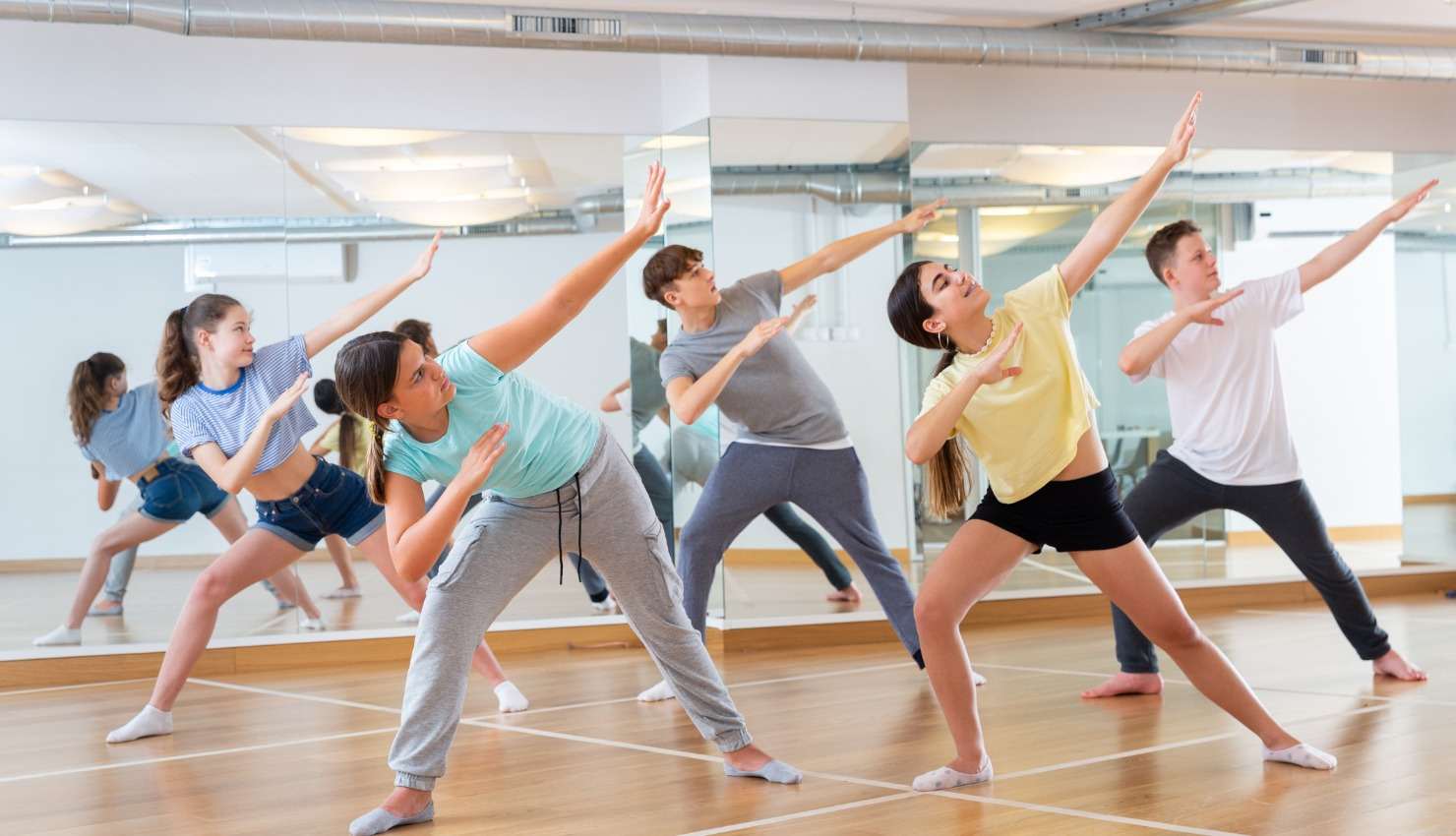
Unlike athletes, performers dont always get off-seasons. Rehearsals, shows, and tours may continue year-round. An injury can disrupt careers, delay productions, or reduce performance quality. Prevention is essential to longevity and excellence.
How Physiotherapy Helps Performers Stay Injury-Free
1. Movement Analysis and Biomechanical Assessment
Physiotherapists analyze how performers move, identifying areas of overuse, imbalance, or poor alignment. This allows them to:
Detect inefficient movement patterns
Spot compensations due to muscle weakness or joint restrictions
Recommend corrections before injury occurs
2. Customized Strengthening and Conditioning
Performers often have muscle imbalances (e.g., dominant quads and weak hamstrings in dancers). Physiotherapists design targeted exercise programs that:
Strengthen underused muscles
Stabilize joints under load
Build resilience specific to the performers art form
3. Flexibility and Mobility Optimization
While flexibility is prized in many disciplines, excessive or uncontrolled flexibility can be as dangerous as tightness. Physiotherapy promotes:
Controlled range of motion
Safe stretching techniques
Mobility without sacrificing joint stability
4. Postural Alignment and Core Stability
Core strength and postural control are foundational for injury-free performance. Physiotherapists train performers in:
Core activation
Spinal alignment during movement
Proper load transfer through the kinetic chain (e.g., from feet to hips to spine)
5. Prehabilitation Programs
These proactive sessions are like tune-ups for the body. They include:
Warm-up and cooldown optimization
Joint stabilization exercises
Neuromuscular control drills
Mental preparation for high-performance demands
6. Manual Therapy for Maintenance
Hands-on techniques like myofascial release, joint mobilization, and soft tissue work:
Reduce muscle tightness
Improve circulation
Speed up recovery between rehearsals or shows
7. Education and Technique Correction
Physiotherapists provide performers with:
Ergonomic strategies (for musicians and actors)
Landing and takeoff technique feedback (for dancers and acrobats)
Body awareness coaching to minimize strain during repeated movements
Beyond the Body: Mental and Emotional Support
Chronic pain or fear of injury can create anxiety in performers. Physiotherapists often act as wellness guides, fostering confidence in movement and helping reduce performance-related stress.