Pelvic health is a fundamental aspect of womens overall wellness, yet it is often neglected or misunderstood. Physiotherapy plays a pivotal role in promoting and maintaining pelvic health by providing targeted assessment, treatment, and education.

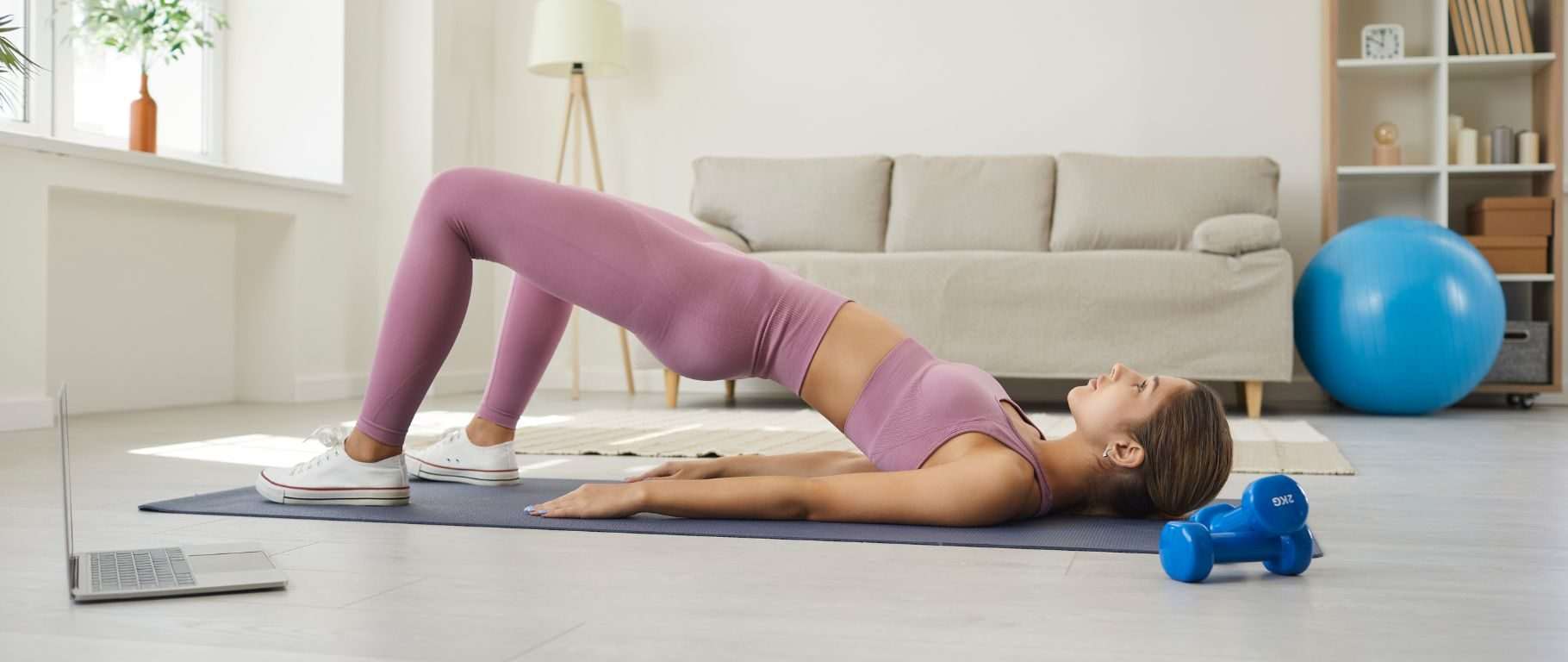
Pelvic health is a fundamental aspect of womens overall wellness, yet it is often neglected or misunderstood. Physiotherapy plays a pivotal role in promoting and maintaining pelvic health by providing targeted assessment, treatment, and education. This blog explores how physiotherapy supports pelvic muscle function, prevents dysfunction, and enhances quality of life for women at all stages.
Understanding Pelvic Health and Physiotherapy
Pelvic health physiotherapy focuses on the pelvic floor muscles and related structures that support the bladder, uterus, bowel, and sexual organs. These muscles not only help maintain continence and organ support but also contribute to core stability and sexual function. Physiotherapists specializing in pelvic health evaluate muscle strength, flexibility, coordination, and identify any dysfunctions.
Physiotherapy interventions are personalized, aiming to restore or maintain optimal pelvic floor function, alleviate symptoms, and empower women with knowledge and skills to care for their pelvic health independently.
How Physiotherapy Supports Pelvic Health
Comprehensive Assessment
A pelvic health physiotherapist performs detailed assessments, including physical examination and functional tests, to understand the state of the pelvic floor muscles, posture, and movement patterns.
Tailored Exercise Programs
Based on assessment findings, physiotherapists design individualized pelvic floor muscle training regimens. These exercises improve muscle strength, endurance, and coordination, addressing specific dysfunctions.
Pain Management
Pelvic pain, including chronic pelvic pain and pain related to conditions such as endometriosis or pelvic inflammatory disease, can be managed through specialized physiotherapy techniques like manual therapy, trigger point release, and neuromuscular re-education.
Postpartum Rehabilitation
After childbirth, women often experience pelvic floor weakness or trauma. Physiotherapy offers guided rehabilitation to restore muscle tone, address scar tissue, and facilitate recovery.
Education and Lifestyle Advice
Physiotherapists educate women on bladder and bowel habits, posture, lifting techniques, and ergonomics to reduce pelvic floor strain and promote health.
Treatment of Pelvic Floor Dysfunction
Dysfunctions such as urinary incontinence, pelvic organ prolapse, and sexual dysfunction are addressed with evidence-based physiotherapy interventions that can often reduce or eliminate symptoms without surgery.
Benefits of Physiotherapy for Pelvic Health
Enhanced muscle control and strength
Reduction or elimination of incontinence symptoms
Improved sexual function and comfort
Relief from pelvic pain and discomfort
Prevention of pelvic organ prolapse progression
Increased confidence and quality of life
Why Choose Physiotherapy for Pelvic Health?
Unlike general fitness routines, pelvic health physiotherapy offers a scientific, individualized approach backed by clinical evidence. It targets the root causes of dysfunction rather than just addressing symptoms. Moreover, physiotherapy is non-invasive, drug-free, and safe for women across all ages and life stages.
When to Seek Pelvic Health Physiotherapy
Women experiencing any of the following symptoms should consider consulting a pelvic health physiotherapist:
Urinary or fecal leakage
Frequent urination or urgency
Pelvic or lower back pain
Difficulty with sexual intercourse
Feeling of heaviness or bulging in the pelvic area
Postpartum pelvic weakness or discomfort
Early intervention often results in better outcomes and can prevent chronic problems.
Conclusion
Physiotherapy plays a vital role in maintaining and restoring pelvic health for women. Through expert assessment, personalized exercise programs, pain management, and education, pelvic health physiotherapy empowers women to take control of their pelvic well-being. For women in Canada seeking comprehensive pelvic health support, physiotherapy offers effective, non-invasive solutions to promote long-lasting pelvic function and quality of life.