The Role of Physiotherapy in Managing Dance-Induced Muscular Pain explores targeted strategies for recovery. Discover new paths to mobility, healing, and personalized care.

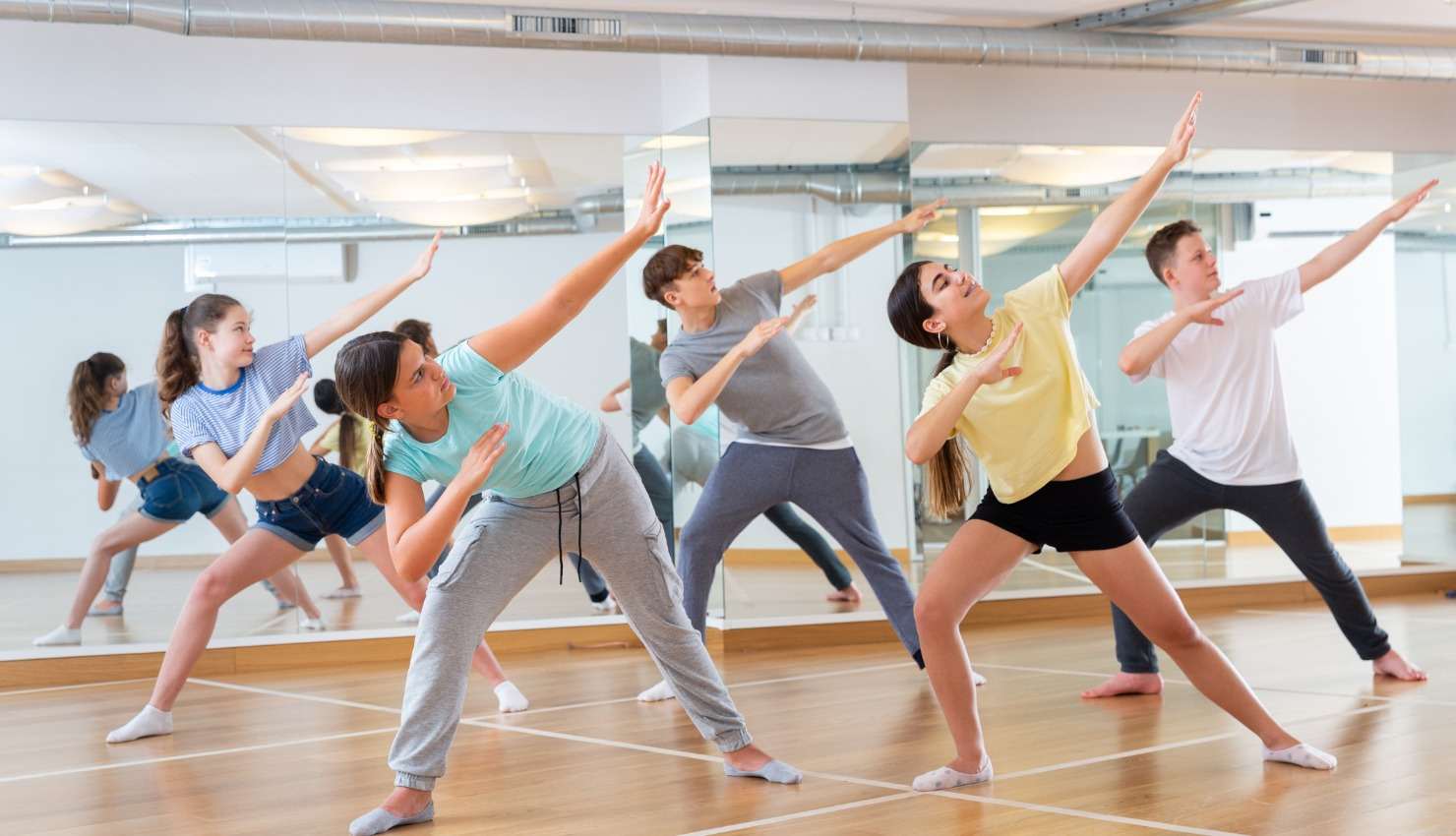
Dance is a physically demanding activity that requires strength, flexibility, endurance, and precise coordination. Whether you’re a professional dancer or someone who dances as a hobby, the intensity of dance often leads to muscular pain. Muscular pain is a common complaint among dancers, resulting from repetitive movements, overuse, or poor technique. Fortunately, physiotherapy plays a vital role in managing and alleviating this pain, enabling dancers to continue performing at their best while minimizing the risk of long-term injury.
Understanding Dance-Induced Muscular Pain
Dance involves dynamic movements that engage various muscle groups, including the legs, back, core, and arms. From grand jetés to pirouettes, these movements can put immense stress on muscles, tendons, and ligaments. Some of the most common causes of muscular pain in dancers include:
Overuse: Repetitive movements, especially in styles like ballet or contemporary dance, can lead to muscle fatigue, soreness, and injury.
Muscle Imbalances: Dancers often develop imbalances, where certain muscles become stronger or tighter than others, leading to strain or discomfort.
Poor Technique: Incorrect alignment, posture, or execution of movements can put excessive pressure on certain muscle groups, resulting in pain.
Lack of Flexibility: Tight muscles are more prone to injury, and dancers who don’t stretch properly are at greater risk of muscle strains.
While some muscle soreness after a dance session is normal, chronic or severe pain can significantly affect a dancer’s performance and overall health. This is where physiotherapy becomes essential.
How Physiotherapy Helps Manage Dance-Induced Muscular Pain
Physiotherapy is designed to address the root causes of muscle pain, focusing on reducing pain, improving muscle function, and preventing future injuries. Physiotherapists use a variety of techniques and exercises to manage dance-induced muscular pain, including manual therapy, stretching, strengthening exercises, and postural correction. Heres how physiotherapy helps:
Pain Relief and Inflammation Reduction
The first step in managing muscular pain is reducing inflammation and pain. Physiotherapists use several techniques to alleviate discomfort, including:
Cold Therapy: Applying ice packs to the affected area helps reduce swelling and numb pain. This is particularly useful during the acute phase of an injury.
Heat Therapy: After the initial inflammation has subsided, heat therapy promotes blood flow to the muscles, encouraging healing and reducing stiffness.
Ultrasound Therapy: Ultrasound waves can penetrate deep into tissues, improving blood circulation and promoting faster healing by reducing muscle tightness and pain.
TENS (Transcutaneous Electrical Nerve Stimulation): This treatment involves applying electrical impulses to the skin, which helps block pain signals to the brain and encourages muscle relaxation.
Restoring Muscle Function through Rehabilitation
Once the acute pain is managed, the next step is to restore the normal function of the affected muscles. Physiotherapists design individualized rehabilitation programs that focus on improving strength, flexibility, and coordination. Some common approaches include:
Stretching Exercises: Stretching is essential for improving flexibility and preventing muscle tightness. Physiotherapists teach dancers targeted stretches to lengthen the muscles and reduce the risk of injury. For example, hamstring, quadriceps, and hip flexor stretches help relieve tension in the muscles that are commonly overused in dance.
Strengthening Exercises: Weak muscles are often the cause of imbalances and pain. Physiotherapists recommend strengthening exercises that target weak muscle groups, particularly the core, glutes, and legs. Strengthening exercises improve muscle endurance, helping dancers avoid fatigue and reducing the likelihood of overuse injuries.
Stabilization and Balance Training: Dancers rely on their ability to balance and stabilize their body during dynamic movements. Physiotherapists incorporate exercises to improve core stability and coordination, which enhance posture, alignment, and overall movement efficiency.
Correcting Posture and Technique
Poor posture and technique are significant contributors to muscular pain in dancers. For example, hyperextension of the knees, misalignment of the pelvis, or improper foot positioning can place unnecessary strain on muscles, leading to pain and injury.
Physiotherapists assess a dancers posture and movement patterns to identify and correct any imbalances or inefficiencies. By improving technique, dancers can reduce the risk of overloading certain muscle groups, preventing future pain and injury. Physiotherapists also teach proper alignment and body mechanics, ensuring that movements are performed safely and efficiently.
Preventing Future Injuries
In addition to treating existing pain, physiotherapy plays a key role in preventing future injuries. Physiotherapists use several strategies to help dancers maintain a balanced and injury-free body:
Prehabilitation Programs: These programs focus on strengthening muscles, improving flexibility, and enhancing mobility before any injury occurs. A physiotherapist may design a prehabilitation plan to target areas of weakness or tension, reducing the risk of strain and injury during dance practice.
Education on Warm-up and Cool-down Techniques: Proper warm-up and cool-down routines are essential for preparing the muscles for the demands of dance and promoting recovery after practice. Physiotherapists educate dancers on effective warm-up techniques that increase blood flow to the muscles and improve flexibility, as well as cool-down practices to reduce muscle stiffness and soreness.
Foam Rolling and Self-Massage: Physiotherapists may incorporate techniques like foam rolling or self-massage to release muscle tightness, improve circulation, and aid in muscle recovery. These techniques are particularly useful for dancers who experience tightness in the calves, hamstrings, or quadriceps.
Managing Chronic Muscular Pain
For dancers who experience chronic muscular pain due to overuse or injury, physiotherapy offers long-term solutions to manage the condition. Physiotherapists may use advanced techniques such as dry needling, myofascial release, or trigger point therapy to alleviate deep muscle tension and promote healing. These techniques are particularly beneficial for addressing chronic tightness or discomfort that doesn’t respond to traditional stretching and strengthening exercises.
Conclusion
Physiotherapy plays a crucial role in managing dance-induced muscular pain, enabling dancers to recover effectively and return to their craft stronger and more resilient. Through a combination of pain management techniques, rehabilitation exercises, posture correction, and injury prevention strategies, physiotherapists help dancers maintain peak performance while reducing the risk of future injuries.
Whether youre dealing with a muscle strain, overuse injury, or simply experiencing general soreness, physiotherapy offers a comprehensive approach to recovery. By working with a qualified physiotherapist, dancers can ensure they stay in optimal physical condition and continue to dance with ease and grace.