Osteoporosis is a progressive bone disease characterized by decreased bone density and weakened bone structure, making bones more susceptible to fractures and injury. It primarily affects older adults, especially women after menopause, but can affect individuals of any age.

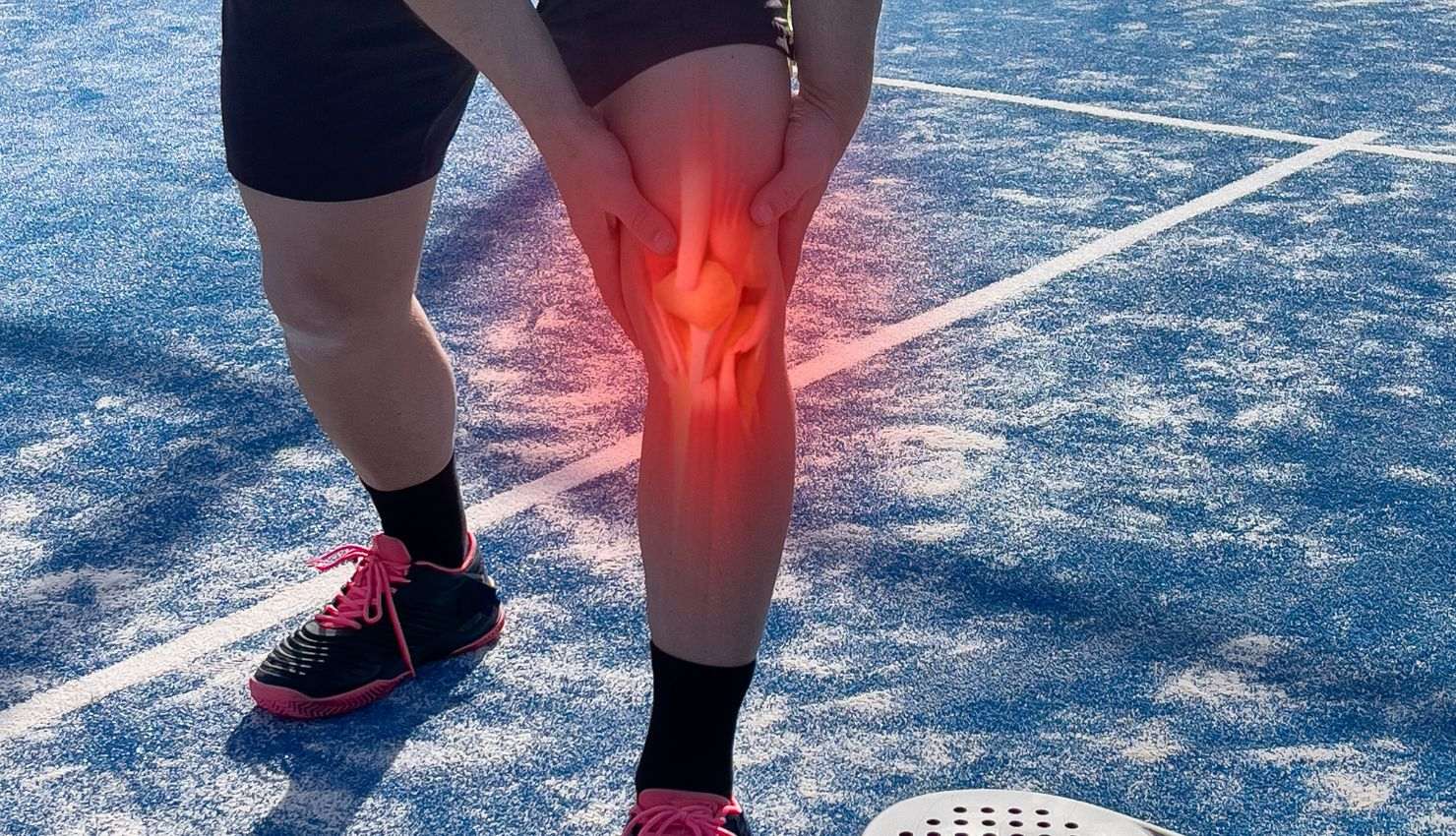
Osteoporosis is a progressive bone disease characterized by decreased bone density and weakened bone structure, making bones more susceptible to fractures and injury. It primarily affects older adults, especially women after menopause, but can affect individuals of any age. Pain related to osteoporosis often arises from bone fractures, compression fractures in the spine, and muscle imbalances due to changes in posture and mobility. While medications are commonly prescribed to help manage osteoporosis, physiotherapy plays a crucial role in managing pain, improving mobility, and preventing fractures.
Heres how physiotherapy helps manage osteoporosis pain:
### **1. Strengthening Bones and Muscles**
One of the main ways physiotherapy helps manage osteoporosis pain is by strengthening the muscles and bones surrounding affected areas. Stronger muscles support the bones, reducing the risk of fractures and improving posture and balance, which are important for pain management.
#### **How Physiotherapy Strengthens Bones and Muscles:**
* **Weight-Bearing Exercises**: While osteoporosis weakens bones, weight-bearing exercises stimulate bone formation and can help maintain or even increase bone density. Physiotherapists prescribe exercises like walking, light jogging, or dancing to help maintain bone strength.
* **Resistance Training**: Resistance exercises, such as using resistance bands or light weights, target the muscles surrounding the bones, enhancing their strength. Strong muscles support the joints, reduce the load on the bones, and help reduce pain and prevent fractures.
* **Core Strengthening**: A strong core helps maintain spinal stability and posture, which can reduce back pain caused by spinal compression fractures. Physiotherapists incorporate exercises that focus on strengthening the abdominals, lower back, and pelvic muscles.
By strengthening muscles and improving bone density, physiotherapy helps reduce the load on bones, decreasing pain and the risk of fractures.
—
### **2. Improving Posture and Alignment**
Osteoporosis often leads to changes in posture due to vertebral fractures in the spine, which can result in a hunched or stooped appearance (often referred to as “dowager’s hump”). These postural changes can cause pain, particularly in the back, shoulders, and neck. Physiotherapy focuses on restoring proper alignment and posture to reduce discomfort and prevent further damage.
#### **How Physiotherapy Improves Posture and Alignment:**
* **Postural Correction**: Physiotherapists evaluate your posture and use exercises that improve spinal alignment, reducing strain on the vertebrae and muscles. This helps alleviate pain caused by compression fractures or misalignment in the spine.
* **Spinal Mobilization**: Gentle spinal mobilizations and stretches can be used to improve mobility in the spine, especially in cases where stiffness and discomfort have developed due to a loss of vertebral height or alignment.
* **Ergonomics and Body Mechanics**: Physiotherapists educate patients on how to sit, stand, and lift properly to avoid excessive pressure on the bones, particularly the spine. Correct body mechanics help prevent pain and reduce the likelihood of further fractures.
Improved posture and spinal alignment help redistribute forces on the body more evenly, reducing the strain on the bones and alleviating pain.
—
### **3. Enhancing Flexibility and Range of Motion**
Osteoporosis can lead to stiffness and decreased flexibility, especially in the spine, hips, and knees, which contributes to pain and reduced mobility. Physiotherapy focuses on improving range of motion (ROM) and flexibility, which is vital for maintaining functional movement and reducing stiffness.
#### **How Physiotherapy Improves Flexibility:**
* **Stretching Exercises**: Physiotherapists design targeted stretching routines to improve flexibility in the hips, lower back, shoulders, and legs. This helps reduce muscle tension, increase ROM, and prevent stiffness that may exacerbate osteoporosis-related pain.
* **Gentle Spinal Stretches**: Physiotherapists use gentle spinal stretches to increase flexibility in the back, which can help relieve discomfort caused by spinal compression fractures or tightness.
* **Joint Mobilizations**: Joint mobilizations can be used to increase ROM in areas where movement is restricted due to pain or stiffness, such as the hips, knees, or shoulders. This helps reduce discomfort and improves movement efficiency.
By improving flexibility and ROM, physiotherapy helps reduce pain and makes it easier to perform daily activities.
—
### **4. Reducing Pain through Manual Therapy**
Manual therapy involves hands-on techniques that can help reduce muscle tension, alleviate pain, and improve joint mobility. For osteoporosis patients, manual therapy techniques focus on reducing discomfort caused by stiffness, muscle spasms, and misalignment of joints, particularly in the spine and lower back.
#### **How Manual Therapy Helps with Osteoporosis Pain:**
* **Soft Tissue Mobilization**: Physiotherapists use massage techniques and myofascial release to relieve muscle tightness, reduce inflammation, and improve circulation. This can help reduce pain caused by muscle imbalances, spasms, or tension in the muscles surrounding weakened bones.
* **Spinal Mobilization**: In cases where osteoporosis has led to vertebral compression fractures, spinal mobilization can help improve spinal movement, relieve pain, and restore function. Physiotherapists use gentle, controlled techniques to move the spine and reduce discomfort.
* **Joint Mobilization**: For osteoarthritis or pain in the joints affected by osteoporosis, joint mobilizations can help improve joint movement and reduce pain and stiffness. This is especially helpful in areas such as the hips, knees, and shoulders.
Manual therapy helps release tension and improve circulation in the affected areas, which can provide immediate pain relief and promote long-term healing.
—
### **5. Pain Management Through Therapeutic Modalities**
Physiotherapists use various therapeutic modalities to help manage pain and promote healing in patients with osteoporosis. These modalities can help reduce inflammation, alleviate muscle spasms, and improve circulation to promote healing and pain relief.
#### **Common Physiotherapy Modalities for Osteoporosis Pain:**
* **Heat Therapy**: Heat can help relax tight muscles and alleviate stiffness, making it easier to move without pain. Heat therapy increases blood flow to the affected area and is particularly useful for chronic pain conditions, such as muscle tension or joint stiffness.
* **Cold Therapy**: Cold therapy is useful in reducing inflammation and numbing pain, particularly if there’s acute inflammation in the joints or tissues. It can be applied after physical activity or injury to control swelling.
* **Transcutaneous Electrical Nerve Stimulation (TENS)**: TENS uses electrical impulses to stimulate nerves and block pain signals. It can be used to reduce chronic pain caused by osteoporosis or related conditions like arthritis.
* **Ultrasound Therapy**: Therapeutic ultrasound uses sound waves to promote blood circulation, reduce inflammation, and speed up the healing process in affected tissues, making it an effective treatment for osteoporosis-related pain.
By using therapeutic modalities, physiotherapy helps manage pain in a non-invasive, drug-free manner, promoting faster healing and relief from symptoms.
—
### **6. Balance and Fall Prevention**
Osteoporosis significantly increases the risk of fractures due to weakened bones, particularly in the hips, spine, and wrists. Physiotherapists work with patients to improve balance, coordination, and overall body awareness, which reduces the risk of falls that could lead to fractures.
#### **How Physiotherapy Helps with Balance and Fall Prevention:**
* **Balance Exercises**: Physiotherapists incorporate balance exercises into treatment plans to help individuals regain stability and reduce the likelihood of falls. These exercises improve proprioception (awareness of body position) and enhance the bodys ability to respond to sudden movements.
* **Strength Training**: Strengthening the muscles of the lower body, especially the legs and core, improves stability and prevents falls. Physiotherapists guide patients in safe, controlled exercises to build strength and stability.
* **Environmental Modifications**: Physiotherapists offer advice on how to modify your environment to reduce fall hazards. This may include recommendations for handrails, removing obstacles, or improving lighting to create a safer living environment.
Improving balance and strength reduces the risk of falls and helps osteoporosis patients avoid fractures, thereby preventing additional pain and injury.
—
### **7. Education and Lifestyle Modifications**
Physiotherapists provide valuable education to individuals with osteoporosis on how to manage their condition and reduce the risk of further complications. Lifestyle changes, including exercise, nutrition, and activity modifications, play a crucial role in managing osteoporosis pain and maintaining overall health.
#### **How Physiotherapy Educates and Supports Lifestyle Modifications:**
* **Exercise Prescription**: Physiotherapists prescribe specific exercises to maintain bone health and reduce pain, such as weight-bearing and strengthening exercises. They ensure the exercises are appropriate for each individuals condition and ability.
* **Nutrition Advice**: Physiotherapists may provide guidance on nutrition to support bone health, including recommendations for calcium and vitamin D intake, which are essential for bone strength.
* **Posture and Ergonomics**: Physiotherapists educate patients on maintaining good posture and ergonomics to prevent further stress on the bones and joints. They provide advice on sitting, standing, lifting, and moving properly to reduce the strain on the spine and prevent pain.
By empowering patients with knowledge and providing strategies for managing osteoporosis pain, physiotherapy promotes long-term health and quality of life.
—
### **Conclusion**
Physiotherapy offers a multifaceted, holistic approach to managing osteoporosis pain. By focusing on strengthening muscles, improving posture, increasing flexibility, and preventing falls, physiotherapy helps individuals with osteoporosis maintain a higher quality of life, reduce pain, and prevent future fractures. Through manual therapy, pain management modalities, exercise prescription, and education, physiotherapists provide the tools needed to manage the symptoms of osteoporosis, restore function, and improve mobility. If youre living with osteoporosis, consulting with a physiotherapist can help you better manage your condition, reduce pain, and improve your overall health.