Whether it’s from a car accident, a sports injury, or a serious fall, trauma can shake up more than just your body it can affect your everyday life, mobility, and even your mindset. The pain that follows trauma isn’t just discomfort it’s a signal from your body that something needs attention.

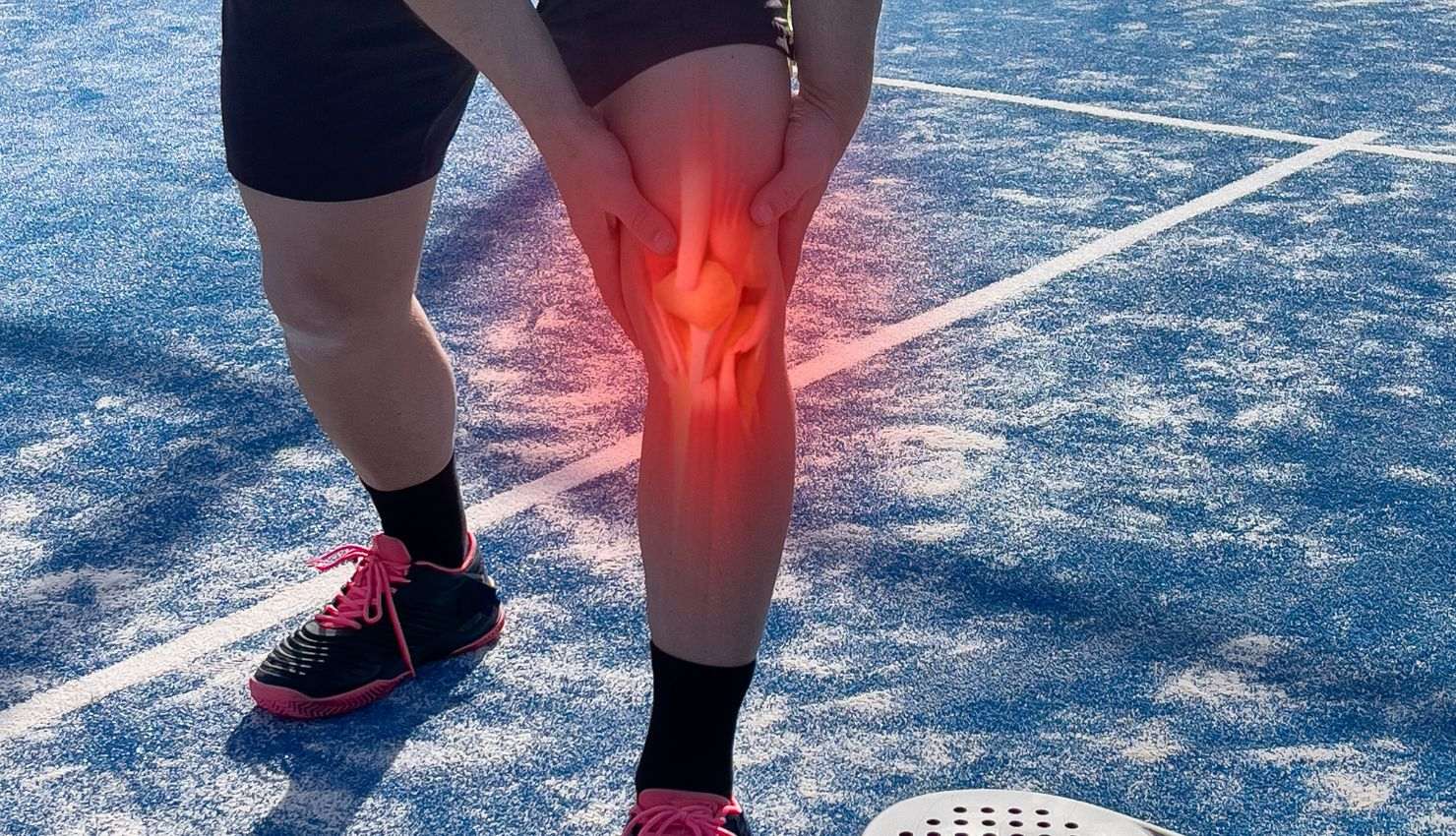
Whether it’s from a car accident, a sports injury, or a serious fall, trauma can shake up more than just your body it can affect your everyday life, mobility, and even your mindset. The pain that follows trauma isn’t just discomfort it’s a signal from your body that something needs attention. Thats where physiotherapy steps in as a powerful, hands-on solution to help you recover, rebuild, and reclaim your life.
Lets explore how physiotherapy plays a vital role in managing pain after traumatic injuries.
?? First, Understanding Trauma-Related Pain
Traumatic injuries can involve muscles, joints, ligaments, bones, or nerves. Depending on the severity, the pain may be:
Acute (right after the injury)
Subacute (lingering discomfort during early healing)
Chronic (lasting months or even years post-trauma)
Common injuries include fractures, dislocations, soft tissue tears, whiplash, or post-surgical pain. And often, the pain isnt just in the original injury site it can radiate, spread, or cause compensatory pain elsewhere.
?? Where Physiotherapy Comes In
Physiotherapists are trained to do more than just relieve pain they help you heal functionally, addressing how your body moves, supports itself, and recovers after injury. Heres what that looks like:
?? 1. Comprehensive Assessment & Pain Mapping
Before any treatment begins, your physiotherapist performs a thorough evaluation:
Where is the pain located?
How does it affect your movement?
Are there compensations happening in other parts of the body?
Hows your posture, gait, and muscle balance?
They build a full picture of your condition because treating the whole person, not just the injured area, leads to better recovery.
?? 2. Gentle, Targeted Movement Therapy
Early after trauma, movement may feel scary but guided physiotherapy introduces safe, controlled motion that prevents stiffness, improves circulation, and kickstarts healing.
Think:
Passive range of motion (when the physio helps move your joint)
Assisted stretching
Light, pain-free mobility work
These small steps reduce inflammation, promote tissue repair, and keep your joints from “locking up.”
?? 3. Strengthening & Functional Rehab
As healing progresses, physiotherapy ramps up to include strengthening exercises that rebuild muscle support and stability. This is especially important after immobilization (like casts, braces, or bedrest), which can cause significant muscle loss and weakness.
You’ll focus on:
Restoring muscle balance
Improving joint alignment
Relearning natural movement patterns (like walking, reaching, lifting)
This stage is all about regaining confidence and function in your body.
??? 4. Manual Therapy for Pain Relief
In many cases, hands-on treatment is used to reduce pain and restore mobility. Your physiotherapist might use:
Soft tissue massage to release tension
Joint mobilizations to improve range of motion
Dry needling to target trigger points
Myofascial release for deep muscle tightness
These techniques promote relaxation, reduce swelling, and ease protective muscle guarding (your bodys instinct to lock up after trauma).
? 5. Modalities to Support Healing
Physiotherapy often incorporates non-invasive tools for pain management, especially in the early stages:
TENS (electrical stimulation)
Ultrasound therapy
Cold laser therapy
Heat/cold treatments
These are designed to complement movement therapy and help manage pain in a safe, medication-free way.
?? 6. Mind-Body Awareness and Education
Pain after trauma isnt just physical. It can bring fear, anxiety, and even trauma-related stress. Physiotherapists offer emotional support through education, pacing strategies, breathing techniques, and mindfulness-based exercises to help you feel safe in your body again.
Its not just about rehab its about rebuilding trust in how you move and feel.
?? Long-Term Recovery and Prevention
Physiotherapy isnt a quick fix but its a sustainable one. The final stage focuses on:
Preventing re-injury
Improving strength and endurance
Enhancing overall movement quality
Returning to work, sport, or daily life with confidence
Whether youve experienced trauma recently or are still dealing with pain months (or years) later, its never too late to benefit from physiotherapy.
In a Nutshell
Traumatic injuries may leave a lasting mark, but pain doesnt have to. Physiotherapy offers a personalized, science-backed path to healing one that empowers you to move forward, one step at a time.
If pain from trauma is holding you back, physiotherapy can help you move past it literally.