The Role of Physiotherapy in Managing Post-Surgery Pain for Athletes explores targeted strategies for recovery. Discover new paths to mobility, healing, and personalized care.

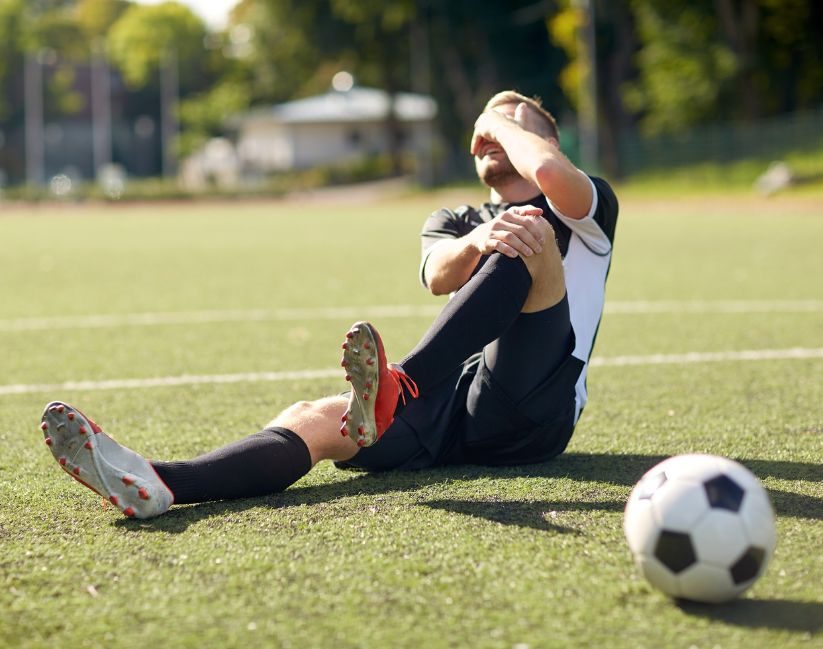
For athletes, surgerywhether for a torn ligament, fracture repair, or joint reconstructionis often a necessary step toward regaining full function and returning to competition. However, surgery is just the beginning of a challenging recovery journey, often accompanied by significant pain, stiffness, and reduced mobility. Managing post-surgery pain effectively is crucial not only for comfort but also to facilitate healing, prevent complications, and promote a faster, safer return to sport.
This is where physiotherapy plays an indispensable role. In this comprehensive blog, well explore how physiotherapy helps athletes manage post-surgery pain, supports functional recovery, and ultimately enables a successful comeback to their sport.
Understanding Post-Surgery Pain in Athletes
Pain following surgery is a natural response to tissue trauma, inflammation, and nerve sensitization. While some pain is expected in the immediate post-operative phase, poorly managed pain can have lasting negative effects, such as:
Delayed healing due to limited movement.
Muscle atrophy caused by disuse.
Development of chronic pain syndromes.
Psychological stress impacting motivation and mental health.
Athletes, in particular, require careful pain management to balance rest with early mobilization, which is essential for regaining strength and function.
How Physiotherapy Supports Pain Management Post-Surgery
Physiotherapy offers a multifaceted approach to pain control, combining hands-on treatments, exercise, and education to reduce discomfort and promote healing.
1. Manual Therapy for Pain Relief
Skilled physiotherapists use techniques like soft tissue massage, joint mobilizations, and myofascial release to reduce muscle tension, improve circulation, and stimulate the bodys natural pain-relieving mechanisms. These therapies help alleviate stiffness and soreness without relying solely on medication.
2. Therapeutic Modalities
Physiotherapy often incorporates modalities such as:
Ultrasound Therapy: Enhances tissue healing and reduces inflammation.
Transcutaneous Electrical Nerve Stimulation (TENS): Provides pain modulation through electrical stimulation.
Laser Therapy: Accelerates tissue repair and decreases swelling.
Cryotherapy and Thermotherapy: Strategic application of cold and heat reduces inflammation and relaxes muscles.
These modalities complement manual techniques to create a comprehensive pain management strategy.
3. Exercise-Based Pain Management
Early controlled movement and progressive exercise are vital to prevent stiffness and muscle wasting. Physiotherapists design exercise programs tailored to the surgery type and healing stage, focusing on:
Restoring range of motion.
Strengthening surrounding muscles.
Improving circulation to promote tissue repair.
Exercise not only reduces pain but also enhances functional recovery and overall well-being.
4. Education and Self-Management
Physiotherapists educate athletes on pain neuroscience, realistic expectations, and coping strategies. Understanding the difference between normal post-surgical discomfort and warning signs of complications empowers athletes to participate actively in their recovery.
Phases of Physiotherapy in Post-Surgery Pain Management
Acute Phase (0-2 weeks):
Focus is on pain and swelling control, gentle mobility exercises, and protecting the surgical site.
Subacute Phase (2-6 weeks):
Progression to more active range of motion and early strengthening exercises. Manual therapy and modalities are used to reduce residual pain.
Rehabilitation Phase (6 weeks – 3 months):
Emphasis on restoring strength, endurance, and neuromuscular control. Pain should be minimal, with continued focus on functional movement.
Return to Sport Phase (3+ months):
Sport-specific training and conditioning to prepare the athlete for safe competition, with minimal or no pain.
Specific Applications: Common Surgeries and Physiotherapy Pain Management
Anterior Cruciate Ligament (ACL) Reconstruction: Early physiotherapy reduces knee swelling and pain, restores motion, and strengthens the quadriceps and hamstrings to support knee stability.
Rotator Cuff Repair: Controlled shoulder mobilizations and scapular strengthening ease pain and prevent stiffness.
Achilles Tendon Repair: Gradual weight-bearing exercises combined with manual therapy reduce tendon pain and enhance healing.
Meniscus Repair: Focus on gentle knee mobilization and muscle activation to minimize pain and improve function.
Benefits of Physiotherapy-Led Pain Management
Faster reduction in pain levels.
Quicker restoration of movement and strength.
Lower reliance on pain medications.
Reduced risk of chronic pain development.
Enhanced psychological confidence and motivation.
Why YourFormsUX is the Go-To for Post-Surgery Athletic Rehabilitation in Canada
YourFormsUX combines expert physiotherapy knowledge with a personalized approach, tailoring pain management and rehabilitation plans to the athletes surgery, sport, and goals. Their multidisciplinary team supports athletes every step of the way, focusing on holistic recovery for a strong return to performance.
Final Thoughts: Effective Pain Management is Key to a Successful Athletic Comeback
Post-surgery pain doesnt have to derail your athletic goals. With expert physiotherapy, athletes can manage pain proactively, promote healing, and regain strength and function safely. Partnering with YourFormsUX in Canada ensures you receive cutting-edge, sport-specific care that supports your journey back to the top.