Why Sports Injuries and Pain Happen Sports injuries can occur from: Overuse (like tendinitis or shin splints) Acute trauma (sprains, strains, dislocations) Muscle imbalances or poor mechanics Inadequate recovery or conditioning Even minor pain can worsen if not addressed, which is why early intervention with physiotherapy is key to long-term recovery and performance. ??? How …

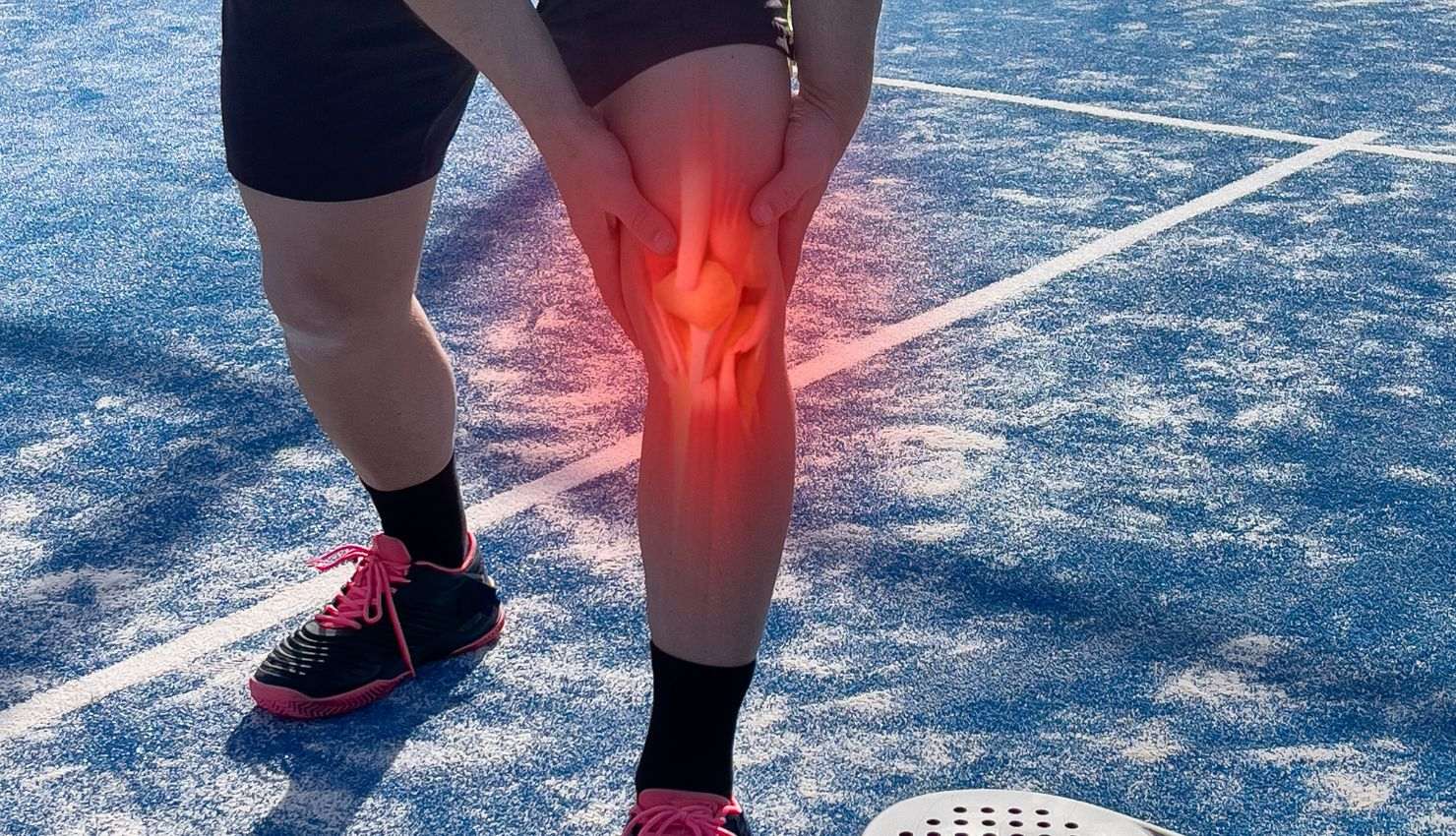
????? Why Sports Injuries and Pain Happen
Sports injuries can occur from:
Overuse (like tendinitis or shin splints)
Acute trauma (sprains, strains, dislocations)
Muscle imbalances or poor mechanics
Inadequate recovery or conditioning
Even minor pain can worsen if not addressed, which is why early intervention with physiotherapy is key to long-term recovery and performance.
??? How Physiotherapy Helps Manage Sports Pain
1. Accurate Diagnosis & Functional Assessment
Physiotherapists go beyond where it hurts to figure out:
What caused the pain in the first place
Which muscles are overworking or underperforming
How your posture, gait, or technique may be contributing
What movements trigger or relieve symptoms
This helps them create a targeted, personalized treatment plan for optimal results.
2. Manual Therapy (Hands-On Pain Relief)
To calm down irritated tissues and promote healing, physiotherapists often use:
Soft tissue massage to reduce muscle tension and inflammation
Joint mobilizations to improve alignment and relieve pressure
Myofascial release for pain caused by tight connective tissues
Trigger point therapy to release deep muscle knots
These techniques provide immediate relief and improve mobility, especially in the early stages of recovery.
3. Therapeutic Exercise & Strength Training
This is the heart of long-term pain relief. By targeting the cause of your pain, physios help:
Strengthen weak or injured areas
Restore proper joint mechanics
Improve flexibility and range of motion
Build sport-specific strength and endurance
Whether youre dealing with shoulder pain from tennis or knee pain from running, the right exercises can reduce pain and improve your athletic performance.
4. Movement Re-Training & Biomechanical Correction
Poor technique and repetitive stress are often behind lingering pain. Physiotherapists teach you how to:
Move more efficiently during your sport
Adjust your form, posture, and alignment
Avoid harmful loading patterns that lead to injury
Use functional training to improve strength and coordination in real-world movement
This is especially important for runners, lifters, and team sport athletes who rely on precise movements under pressure.
5. Pain-Relief Modalities
To support recovery and comfort, physios may use:
TENS (Transcutaneous Electrical Nerve Stimulation)
Ice or heat therapy
Ultrasound therapy
Dry needling (in some clinics)
Taping or bracing to offload painful joints
These tools reduce pain and inflammation so you can continue training or rehabbing safely.
6. Education & Load Management
Physiotherapists help you understand:
How to manage pain without over-resting
When to push, and when to back off
How to structure your training and recovery for long-term resilience
This education helps prevent future injuries and gives you confidence to return to your sport without fear.
?? Common Conditions Treated with Physiotherapy in Sports:
Runners knee (patellofemoral pain)
Tennis/golfers elbow
Rotator cuff injuries
Shin splints
Ankle sprains
IT band syndrome
Achilles tendinopathy
Hamstring or quad strains
No matter the sport or level, theres a physio plan that fits.
? Final Takeaway
Physiotherapy is essential for managing sports-related painbecause it treats both the symptoms and the source. From hands-on relief to strength training and sport-specific rehab, physios are experts at helping athletes recover quickly, move better, and prevent future injuries.
Whether youre sidelined with a nagging ache or recovering from a more serious injury, a personalized physiotherapy plan can get you back to doing what you lovestronger and smarter than before.