If you’ve ever dealt with that nagging, burning ache near a jointsay your shoulder, elbow, or Achillesyou mightve come across the term tendonitis. Its one of those conditions that can creep into everyday life and make even the simplest movements frustrating.

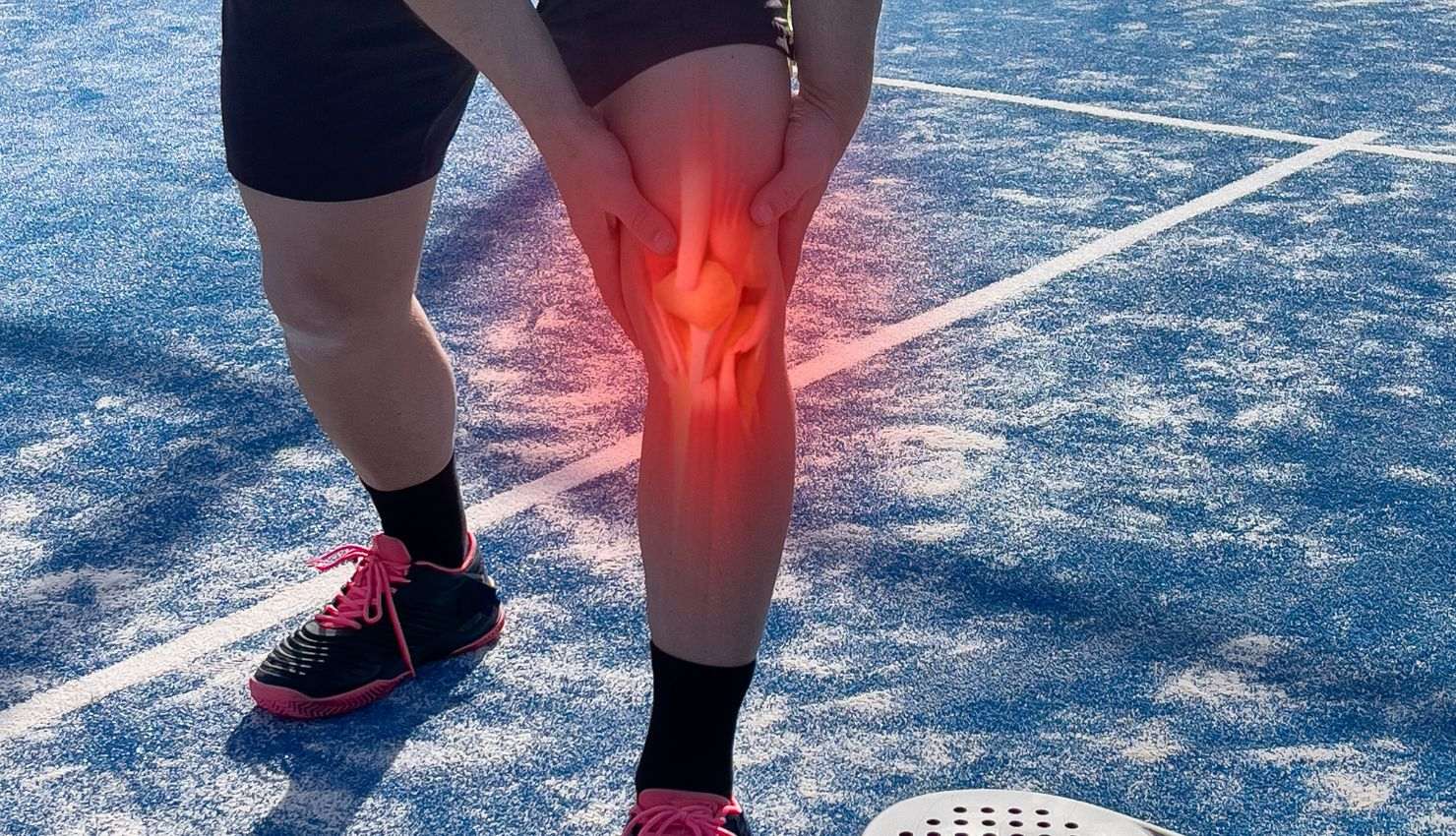
If you’ve ever dealt with that nagging, burning ache near a jointsay your shoulder, elbow, or Achillesyou mightve come across the term tendonitis. Its one of those conditions that can creep into everyday life and make even the simplest movements frustrating. The good news? Physiotherapy is often the game-changer when it comes to managing and recovering from tendonitis.
First Things First: What is Tendonitis?
Tendonitis (also spelled tendinitis) is the inflammation or irritation of a tendonthe thick, fibrous cords that attach muscle to bone. Its commonly caused by repetitive motion or overuse, which is why it shows up in athletes, manual laborers, and even desk workers who spend hours typing.
Some familiar forms of tendonitis include:
Tennis Elbow (lateral epicondylitis)
Golfers Elbow (medial epicondylitis)
Rotator Cuff Tendonitis (shoulder pain)
Achilles Tendonitis (back of the heel)
Patellar Tendonitis (jumpers knee)
Why Physiotherapy?
Now heres where physiotherapy shines. While rest, ice, and anti-inflammatory meds can provide short-term relief, they don’t address the why. Physiotherapy dives deepertreating the root causes and helping you regain pain-free movement without relying solely on pills or prolonged rest.
Lets break down how physiotherapy helps:
1. Accurate Assessment & Diagnosis
A trained physiotherapist doesnt just look at where it hurts. They evaluate posture, movement patterns, muscle imbalances, and biomechanics. This holistic view helps identify whats actually causing the tendon to become irritated in the first place.
2. Pain Relief Techniques
During the early stages, the goal is to calm things down. Your physiotherapist might use:
Manual therapy (gentle hands-on techniques to reduce tension)
Ultrasound therapy (to promote blood flow and healing)
Dry needling or electrotherapy (in some cases)
Taping to offload stress on the tendon
These strategies help reduce pain and inflammation so you can move on to the next phaserehab!
3. Progressive Strengthening
This is where the magic happens. Contrary to popular belief, rest alone isnt enough. In fact, too much rest can make the tendon weaker.
Physiotherapists introduce graded exercise programs tailored to your injury. These often include:
Eccentric loading exercises (lengthening the muscle while contracting it)
Isometric holds (great for managing pain and building base strength)
Functional training to prepare for daily tasks or sports
With time, these exercises remodel the tendon tissue and build resilience.
4. Improving Flexibility & Range of Motion
Tight muscles or stiff joints often contribute to tendonitis. Stretching and mobility workespecially for the surrounding musclescan ease tension on the affected tendon. Your physio will guide you on which stretches to do and when to avoid overdoing it.
5. Correcting Movement Patterns
Whether its how you lift, run, throw, or even sit at a desk, poor mechanics can lead to overloading the tendons. Physiotherapists provide movement retrainingsometimes using video feedback or mirror workto help you move smarter, not harder.
6. Preventing Re-Injury
The ultimate goal isnt just healingits making sure the problem doesnt come back. Your physiotherapist will:
Educate you on activity modification
Suggest ergonomic adjustments (for workstations, sports technique, etc.)
Build a sustainable long-term exercise plan
In Summary
Tendonitis can be stubborn, but it doesnt have to stick around forever. Physiotherapy offers a personalized, hands-on approach to healing that goes beyond quick fixes. Its not just about treating the painit’s about restoring strength, improving function, and getting you back to the activities you love.
If you’re dealing with persistent tendon pain, dont wait for it to get worse. A visit to a physiotherapist might just be the step that turns things around.