Work-related injuries are a significant concern in many industries, particularly those involving manual labor, repetitive tasks, or prolonged sitting. Injuries can range from strains and sprains to repetitive stress injuries (RSIs), back pain, carpal tunnel syndrome, and other musculoskeletal disorders.

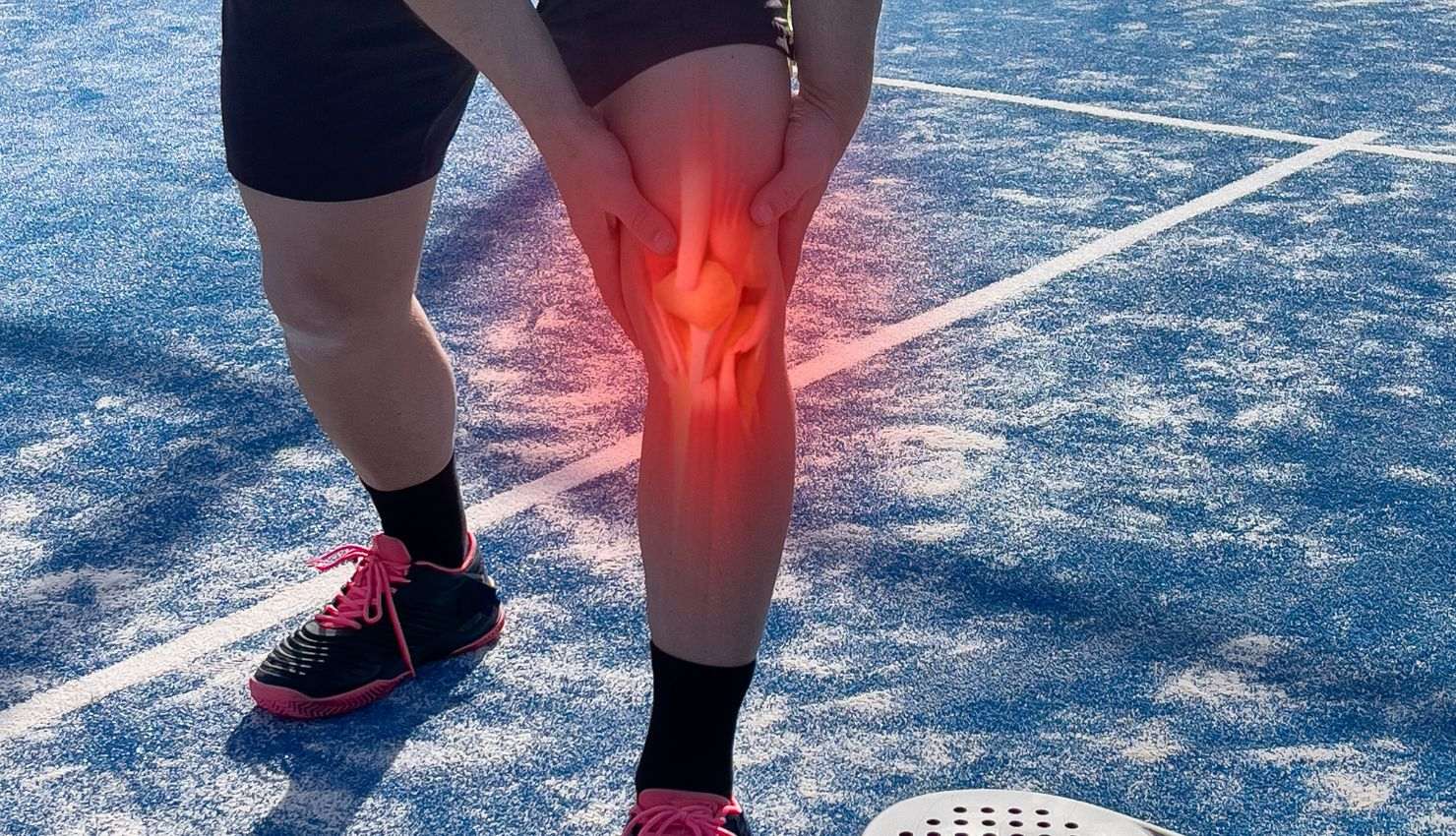
Work-related injuries are a significant concern in many industries, particularly those involving manual labor, repetitive tasks, or prolonged sitting. Injuries can range from strains and sprains to repetitive stress injuries (RSIs), back pain, carpal tunnel syndrome, and other musculoskeletal disorders. Physiotherapy plays a crucial role in not only treating these injuries but also in preventing them and helping workers return to their duties safely and efficiently. Here’s a detailed look at how physiotherapy helps manage work-related injuries:
### **1. Early Assessment and Diagnosis**
Physiotherapists are trained to perform a comprehensive assessment of work-related injuries. This early intervention is crucial for identifying the cause of pain or discomfort and addressing it before it becomes a chronic problem.
#### **How Physiotherapists Assess Work-Related Injuries:**
* **Posture and Ergonomics**: Physiotherapists assess how workers’ posture and workplace setup might be contributing to the injury. For example, poor posture, improper workstation setup, or repetitive motions can put strain on muscles, joints, and ligaments.
* **Movement Patterns**: They observe how workers move during their daily tasks and identify any abnormal movement patterns that could lead to injury.
* **Functional Ability**: The physiotherapist will assess the workers range of motion, strength, and flexibility to determine the impact of the injury on daily activities and work tasks.
By diagnosing the root cause of the problem early, physiotherapists can create a targeted treatment plan to manage the injury effectively and prevent further damage.
### **2. Pain Management**
Managing pain is a critical component of recovery from work-related injuries. Physiotherapists use various techniques to alleviate pain, reduce inflammation, and promote healing without relying solely on medications.
#### **Pain Management Techniques:**
* **Heat and Cold Therapy**: Applying cold therapy (ice) reduces inflammation and numbs the area to ease pain, especially in the acute stage of the injury. Heat therapy helps relax tight muscles and increase circulation, promoting healing.
* **Transcutaneous Electrical Nerve Stimulation (TENS)**: TENS units deliver electrical impulses to the affected area to block pain signals and stimulate the release of endorphins, providing relief from pain.
* **Ultrasound Therapy**: This technique uses sound waves to promote tissue healing, reduce inflammation, and increase blood flow to injured tissues.
* **Manual Therapy**: Soft tissue massage, joint mobilizations, and myofascial release techniques help reduce muscle tension and increase mobility in the affected area.
### **3. Restoring Function and Mobility**
In the case of musculoskeletal injuries, regaining function and mobility is a key goal of physiotherapy. A physiotherapist will design a tailored rehabilitation program to improve movement, flexibility, and strength in the affected area.
#### **Treatment to Restore Function:**
* **Range of Motion Exercises**: These exercises help to restore normal movement in joints and muscles affected by the injury, such as improving the flexibility of the back, neck, or wrists.
* **Strengthening Exercises**: Building strength in muscles surrounding the affected area is vital for supporting joints and preventing further strain. For example, strengthening the core and lower back muscles can help prevent injuries related to prolonged sitting or heavy lifting.
* **Stretching**: Stretching exercises help reduce muscle tightness and improve flexibility, which can relieve pain and prevent further injury.
* **Functional Movements**: Physiotherapists teach workers how to perform their job tasks with proper technique to prevent re-injury and improve efficiency. For instance, workers may learn how to lift objects properly to avoid back strain.
### **4. Posture and Ergonomic Education**
Work-related injuries often result from poor posture and ergonomics, whether due to prolonged sitting at a desk, incorrect body alignment while standing, or improper lifting techniques. Physiotherapists play a vital role in educating workers about correct posture and ergonomics to prevent further injury.
#### **Ergonomic Interventions:**
* **Workstation Assessment**: Physiotherapists evaluate the workers workstation setup, including the desk, chair, and computer, to ensure it is ergonomically friendly. Proper seat height, monitor positioning, and keyboard/mouse placement can significantly reduce strain on the neck, back, and arms.
* **Posture Training**: Physiotherapists teach workers how to maintain a neutral spine while sitting, standing, or lifting. This reduces strain on the back and neck muscles, preventing long-term issues.
* **Adjustments for Repetitive Tasks**: For workers performing repetitive tasks (such as typing, assembly line work, or heavy lifting), physiotherapists may recommend adjustments in technique or schedule to reduce strain on specific muscle groups.
### **5. Preventative Strategies and Education**
Preventing future work-related injuries is a critical aspect of physiotherapy. Physiotherapists not only treat existing injuries but also help workers avoid new injuries through education and preventative measures.
#### **Prevention Strategies:**
* **Stretching and Warm-Up Programs**: Physiotherapists provide guidelines for daily stretching and warm-up exercises to prepare the body for physical work. Stretching before starting work reduces muscle tightness and increases flexibility, which helps prevent injuries.
* **Strengthening Programs**: Regular strengthening exercises help maintain muscle balance and improve endurance, which can reduce the risk of overuse injuries.
* **Ergonomic Training**: Ongoing education on proper body mechanics, workstation ergonomics, and healthy movement patterns helps workers maintain good posture and reduce the likelihood of injury.
### **6. Returning to Work Safely**
In cases of significant injury, physiotherapists assist workers in returning to their tasks safely and gradually. This is especially important after surgery or more severe injuries that require rehabilitation.
#### **Return-to-Work Programs:**
* **Gradual Reintegration**: Physiotherapists help workers return to work through a phased approach, starting with light duties and gradually progressing to full duties as their strength, mobility, and confidence improve.
* **Work Conditioning**: Physiotherapists create specific exercises that mimic the physical demands of the workers job, helping them regain the physical ability to perform their duties safely and effectively.
* **Monitoring Progress**: Throughout the recovery process, physiotherapists monitor the workers progress, adjust rehabilitation exercises, and ensure they are returning to work in a way that minimizes the risk of re-injury.
### **7. Psychological Support and Stress Management**
Chronic pain and injuries at work can lead to psychological stress, anxiety, and frustration. Physiotherapists also recognize the emotional impact of work-related injuries and may provide psychological support or recommend stress management techniques to help workers cope.
#### **Psychological Support:**
* **Motivation and Confidence Building**: Physiotherapists provide encouragement and motivation to help workers stay committed to their rehabilitation programs.
* **Stress Management**: Techniques like deep breathing, relaxation exercises, and mindfulness can help reduce stress levels, which can contribute to physical tension and exacerbate pain.
### **8. Long-Term Management and Education**
Managing work-related injuries does not stop once you return to work. Physiotherapists provide ongoing education to ensure long-term prevention and maintenance of musculoskeletal health.
#### **Long-Term Strategies:**
* **Ongoing Exercise Programs**: Physiotherapists may create long-term exercise programs that workers can follow to maintain strength, flexibility, and injury prevention.
* **Workplace Adjustments**: Periodic follow-ups ensure that any changes in the workers job role, work environment, or health status are addressed, and further adjustments are made to reduce the risk of reinjury.
### **Conclusion**
Physiotherapy is essential in the prevention, treatment, and long-term management of work-related injuries. By assessing, diagnosing, and treating injuries early, and providing education on posture, ergonomics, and strengthening, physiotherapists help workers recover effectively and return to their duties safely. With physiotherapy, workers can manage pain, restore function, and reduce the risk of future injuries, ultimately improving their productivity and quality of life.