The Role of Physiotherapy in Optimizing Dance Performance explores targeted strategies for recovery. Discover new paths to mobility, healing, and personalized care.

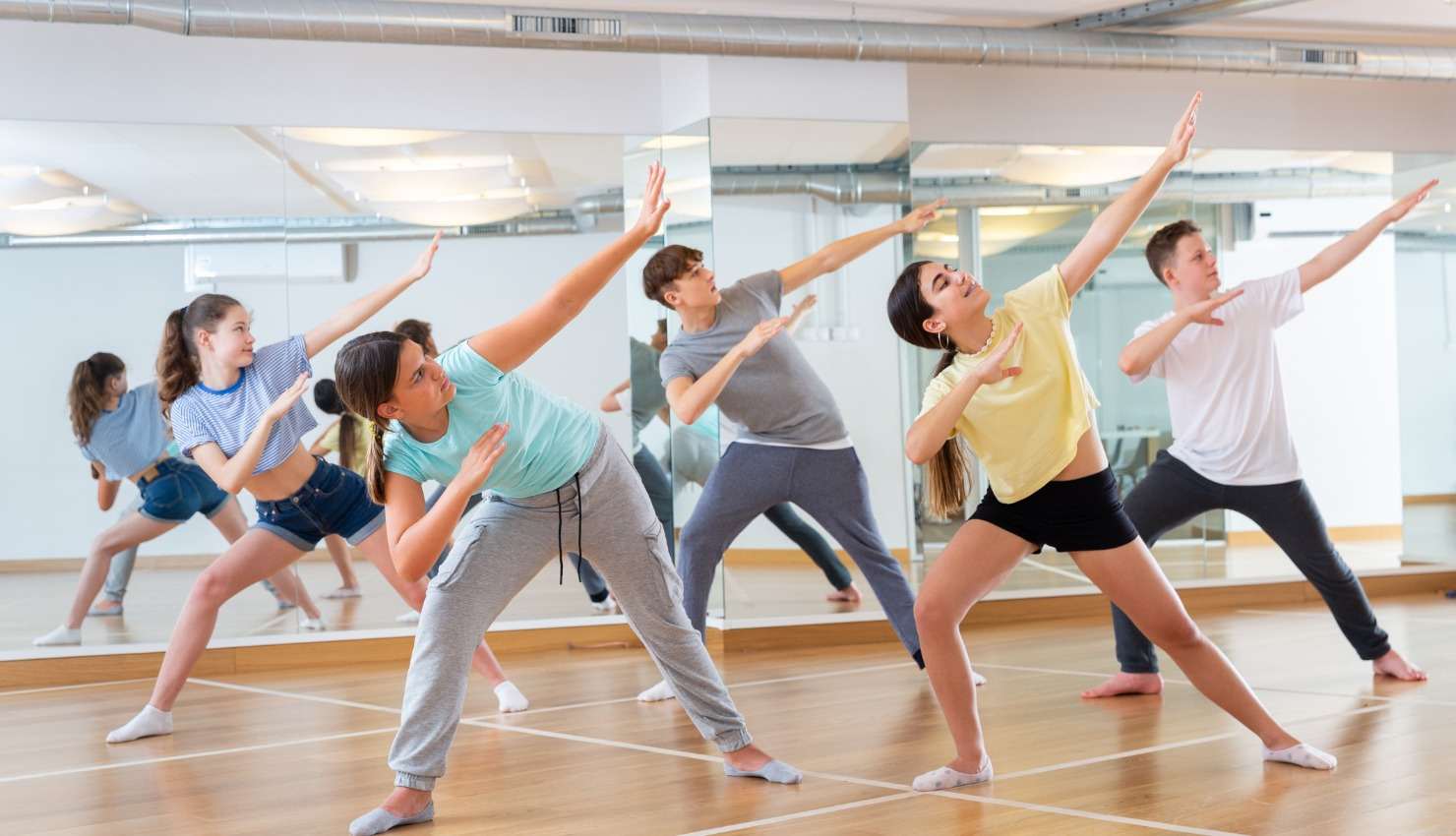
Dance is an expressive and highly physical discipline that demands peak performance from the body. While natural talent and rigorous practice are fundamental, optimizing physical capabilities is equally important to achieve excellence and longevity in dance. Physiotherapy plays a critical role in enhancing dance performance by improving strength, flexibility, balance, and movement efficiency. This blog explores how physiotherapy contributes to maximizing a dancers potential and reducing injury risk, ensuring they can perform at their best.
Understanding the Physical Demands of Dance Performance
Dancers require a combination of strength, flexibility, endurance, coordination, and mental focus. The repetitive nature of dance movements and the precision required can strain muscles, joints, and connective tissues. Physiotherapy addresses these physical demands by supporting body conditioning and injury prevention.
How Physiotherapy Enhances Strength and Stability
A strong and stable body is the foundation for powerful and controlled dance movements. Physiotherapists develop targeted strength training programs that focus on:
Core Stability: Enhancing trunk control improves balance and movement fluidity.
Lower Limb Strength: Strengthening hips, glutes, and legs supports jumps, turns, and landings.
Upper Body Conditioning: Building shoulder and back strength aids in lifts and posture maintenance.
These strength gains improve performance quality and reduce the risk of fatigue-related errors.
Improving Flexibility and Range of Motion
Physiotherapy incorporates stretching and mobilization techniques to safely increase flexibility. Improved muscle length and joint mobility allow dancers to execute movements with greater ease and expression while reducing tension and injury risk.
Enhancing Balance and Coordination
Balance and proprioception are essential for maintaining control during complex choreography. Physiotherapists use exercises and tools such as balance boards and stability training to sharpen neuromuscular control and body awareness.
Correcting Movement Patterns and Posture
Faulty movement mechanics or poor posture can limit performance and lead to injuries. Physiotherapy involves movement analysis and neuromuscular re-education to correct these issues, helping dancers move more efficiently and safely.
Injury Prevention for Sustained Performance
Consistent physiotherapy sessions help identify and address muscle imbalances or weaknesses before they cause injuries. Preventative care includes:
Regular assessments
Targeted conditioning
Education on safe techniques and body mechanics
This proactive approach keeps dancers performing at their highest level.
Supporting Recovery and Managing Fatigue
Dance training is intense and can lead to muscle soreness and fatigue. Physiotherapy techniques such as manual therapy, hydrotherapy, and recovery exercises promote muscle relaxation, reduce inflammation, and enhance circulation, aiding faster recovery between sessions.
Psychological Benefits of Physiotherapy in Performance
Physiotherapy also supports mental well-being by boosting confidence through physical readiness and providing motivation during training and rehabilitation.
Conclusion
Physiotherapy is a vital partner in optimizing dance performance. Through strength and flexibility training, balance enhancement, movement correction, injury prevention, and recovery support, physiotherapists empower dancers to reach their full potential while protecting their bodies. Whether youre a professional or amateur dancer, incorporating physiotherapy into your routine can elevate your dance and extend your career.
If you want to optimize your dance performance and reduce injury risk, consulting a physiotherapist experienced in dance medicine is a smart step toward success.