Working from home often lacks the ergonomic setup of traditional offices. Common causes of injury include:

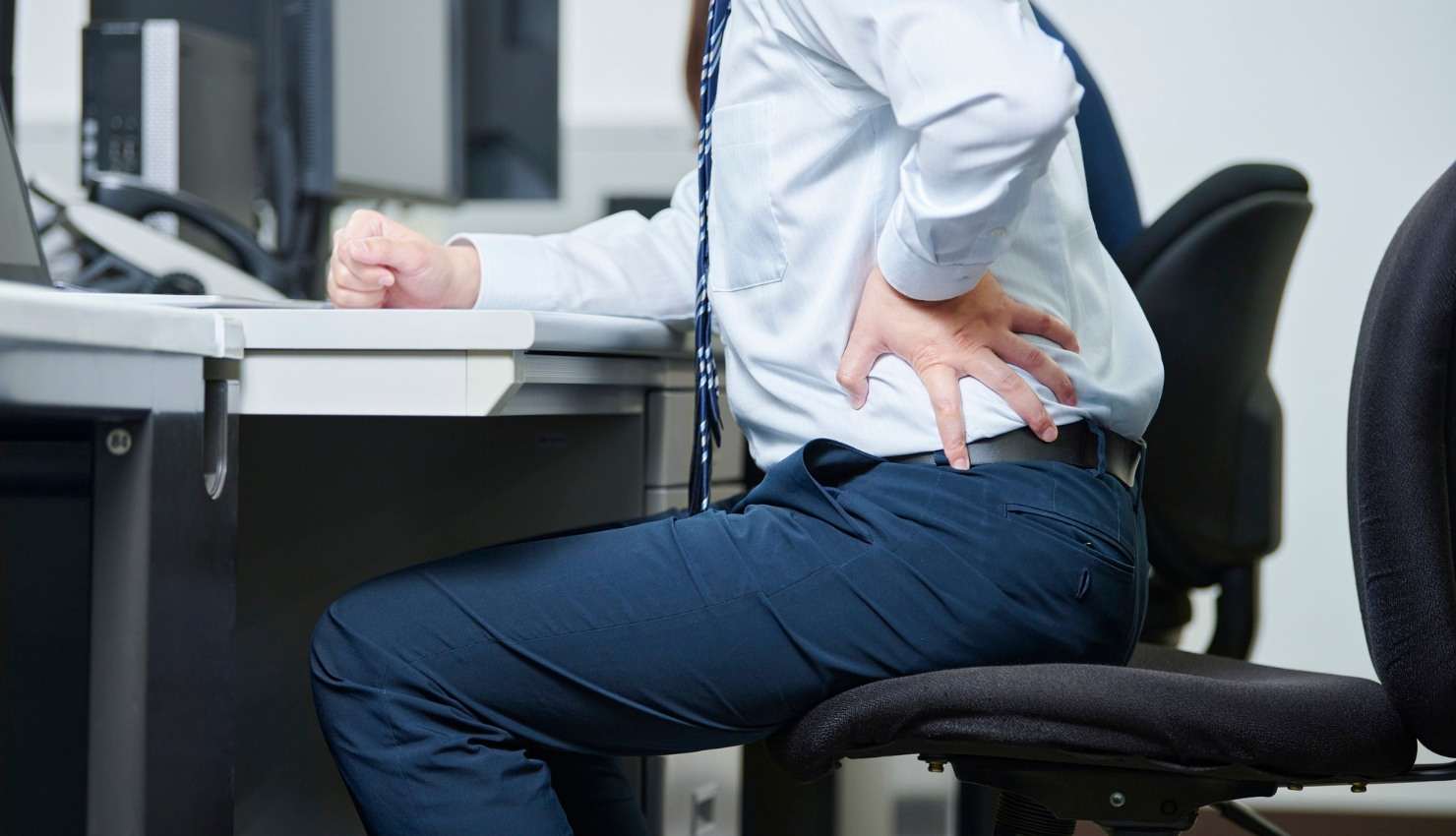
Working from home often lacks the ergonomic setup of traditional offices. Common causes of injury include:
Prolonged sitting
Poor workstation ergonomics
Repetitive strain from typing or using a mouse
Lack of movement or stretching
Incorrect posture for long hours
These lead to common issues like:
Neck and shoulder pain
Low back stiffness
Carpal tunnel syndrome
Sciatica or hip tightness
Eye strain and tension headaches
?? How Physiotherapy Helps Prevent Injuries
Physiotherapy is not just reactiveits proactive care. Heres how a physiotherapist helps remote workers:
? 1. Ergonomic Assessment & Recommendations
A physiotherapist can assess your home workstation setup and suggest changes such as:
Adjusting chair, monitor, and desk height
Recommending lumbar support and footrests
Advising on proper keyboard and mouse position
?? Result: Better posture, reduced strain, and injury prevention.
? 2. Posture and Movement Education
Physiotherapists teach you how to:
Sit with spinal alignment
Avoid forward head posture
Incorporate healthy movement habits during your day
They may also recommend postural taping or biofeedback to retrain your habits.
? 3. Targeted Stretching and Mobility Routines
Physiotherapists design simple, effective routines to:
Loosen tight areas (neck, hips, shoulders)
Improve joint mobility
Counteract repetitive strain
?? These routines fit seamlessly into your workdayperfect during breaks.
? 4. Strengthening Weak Muscles
Physios help correct imbalances by strengthening:
Core muscles (to support the spine)
Scapular stabilizers (to reduce shoulder strain)
Forearm and wrist muscles (to protect against overuse)
??? Stronger muscles = better support = fewer injuries.
? 5. Breathing and Stress Management
Physiotherapists often integrate diaphragmatic breathing and relaxation techniques to:
Reduce tension in the neck and shoulders
Support posture through better core activation
Improve focus and nervous system regulation
? 6. Education on Safe Work Habits
Physiotherapists guide you on:
How often to take breaks
Proper lifting techniques (if your role involves moving equipment)
Smart multitasking (e.g., walking meetings)
?? Common Injuries Physiotherapy Can Help Prevent
Condition Physiotherapy Approach
Neck pain Postural training, ergonomic adjustment
Low back pain Core strengthening, mobility work
Wrist/carpal tunnel syndrome Stretching, wrist positioning education
Sciatica Nerve gliding, hip mobility exercises
Shoulder impingement Scapular control, postural correction
Eye strain & tension headaches Breathing, posture, workspace lighting
?? What a Home Office Injury Prevention Plan May Include:
Initial posture/ergonomic evaluation
Custom stretching & strengthening plan
Weekly check-ins or virtual sessions
Self-massage techniques or foam rolling
Guidance on recovery tools (heat, cold, bands, etc.)
?? Physiotherapy + Ergonomics = Long-Term Wellness
Combining physiotherapy guidance with a smart home office setup helps you:
Work more comfortably
Stay pain-free
Boost productivity and energy
Prevent chronic issues before they start
??? Want a Personalized Plan?
I can create:
A 5-minute daily physiotherapy stretch routine
A custom home desk ergonomics checklist
Or a printable guide to prevent office strain injurIES