The Role of Physiotherapy in Strengthening Ligaments for Athletes explores targeted strategies for recovery. Discover new paths to mobility, healing, and personalized care.

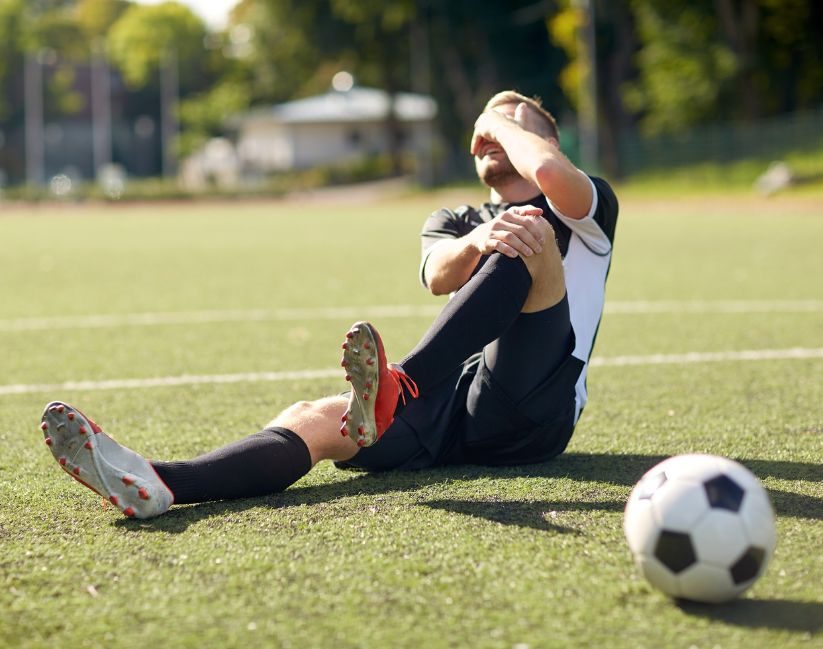
Athletic performance relies heavily on the integrity of the bodys ligaments those tough, fibrous bands that connect bones and stabilize joints during dynamic movements. For athletes across all sports, ligament strength and resilience are essential not only for optimal performance but also for injury prevention and recovery. Physiotherapy plays a crucial role in strengthening ligaments and supporting long-term joint health. Lets dive deep into how physiotherapy benefits athletes by enhancing ligament function and preventing injuries.
Understanding Ligaments and Their Importance in Sports
Ligaments act like natural stabilizers, holding bones together and ensuring joint stability during rapid movements, twists, and impacts. Commonly injured ligaments in athletes include:
The anterior cruciate ligament (ACL) in the knee, often torn in cutting and pivoting sports.
The medial collateral ligament (MCL), also in the knee, frequently strained during collisions.
The ankle ligaments (like the anterior talofibular ligament), prone to sprains in sports involving running and jumping.
The shoulder ligaments stabilizing the glenohumeral joint, vulnerable in overhead sports.
Ligament injuries can range from mild sprains to complete tears, often sidelining athletes for weeks or months. Because ligaments have a relatively poor blood supply, healing can be slow and incomplete without targeted intervention.
How Physiotherapy Supports Ligament Strengthening
Physiotherapy is fundamental in both the recovery from ligament injuries and proactive strengthening to prevent injury. Heres how:
1. Early-Stage Rehabilitation: Protect and Mobilize
Immediately after a ligament injury, physiotherapists focus on reducing inflammation and protecting the joint. Controlled mobility exercises begin early to maintain range of motion without overstressing healing ligaments. Modalities such as cryotherapy, ultrasound, and electrical stimulation can aid in pain relief and tissue healing.
2. Progressive Strengthening Exercises
As healing progresses, physiotherapists introduce strength training that targets the muscles around the injured joint. Strong surrounding muscles act as dynamic stabilizers, reducing load on ligaments. For example:
In knee ligament injuries, strengthening the quadriceps, hamstrings, and hip abductors is vital.
For ankle sprains, exercises focusing on the calf muscles and peroneal muscles help stabilize the joint.
For shoulder ligament injuries, rotator cuff and scapular stabilizer strengthening restores joint control.
These exercises are carefully progressed based on healing status and functional goals.
3. Proprioception and Neuromuscular Training
One of the most important roles of physiotherapy is retraining proprioception the bodys ability to sense joint position. Ligament injuries impair proprioceptive feedback, increasing the risk of re-injury. Balance boards, stability trainers, and dynamic movement drills improve neuromuscular control, helping athletes regain joint stability in real-world athletic scenarios.
4. Functional and Sport-Specific Training
Physiotherapists design training programs that mimic the athletes sport-specific movements. This ensures ligaments and muscles are prepared for the stresses encountered during competition. For instance, a basketball player may work on lateral cutting and jumping drills, while a soccer player focuses on sprinting and directional changes.
5. Return-to-Sport Assessment
Before returning to play, athletes undergo rigorous assessments to ensure ligament strength, joint stability, and movement quality meet sport demands. Physiotherapists guide this process, reducing the risk of premature return and subsequent injury.
Why Strong Ligaments Matter for Athletic Performance
Stronger ligaments contribute to:
Improved Joint Stability: Reducing the risk of dislocations and sprains.
Better Force Transmission: Allowing efficient energy transfer during explosive movements.
Enhanced Movement Quality: Supporting agility, balance, and coordination.
Long-Term Joint Health: Preventing degenerative changes and chronic instability.
Athletes with well-conditioned ligaments often enjoy greater longevity in their sport and fewer injury-related setbacks.
Case Study: ACL Rehabilitation with Physiotherapy
Consider the case of an athlete recovering from ACL reconstruction surgery. Physiotherapy begins with gentle range-of-motion exercises and swelling control, gradually advancing to muscle strengthening and proprioceptive drills over months. The therapist continuously monitors progress and adjusts protocols, ensuring the athlete regains confidence and function. This comprehensive approach is essential to avoid re-injury and return to pre-injury performance levels.
The Canadian Physiotherapy Advantage: YourFormsUX
In Canada, athletes benefit from advanced physiotherapy services like those offered at YourFormsUX. Their expert clinicians specialize in sports injury management and ligament rehabilitation, combining the latest evidence-based techniques with personalized care.
Athletes receive:
Comprehensive injury assessments
Tailored rehabilitation programs
Access to modern therapeutic technologies
Guidance on injury prevention and performance enhancement
Final Thoughts: Ligaments as Pillars of Athletic Success
Ligaments are often the unsung heroes of athletic movement invisible yet vital to every sprint, jump, and pivot. Investing in ligament strength and health through physiotherapy not only speeds up recovery after injury but also builds a foundation for sustained athletic excellence.
Whether youre an amateur athlete or competing at elite levels, prioritizing ligament care is essential. It empowers you to perform confidently, prevent setbacks, and extend your sporting career. The role of physiotherapy in ligament strengthening is undeniable a partnership between athlete and therapist that unlocks true potential and resilience.