Osteoarthritis (OA) is one of the most common types of arthritis, primarily affecting the joints, particularly in areas such as the knees, hips, hands, and spine. OA is characterized by the degeneration of cartilage, leading to joint pain, stiffness, swelling, and reduced mobility.

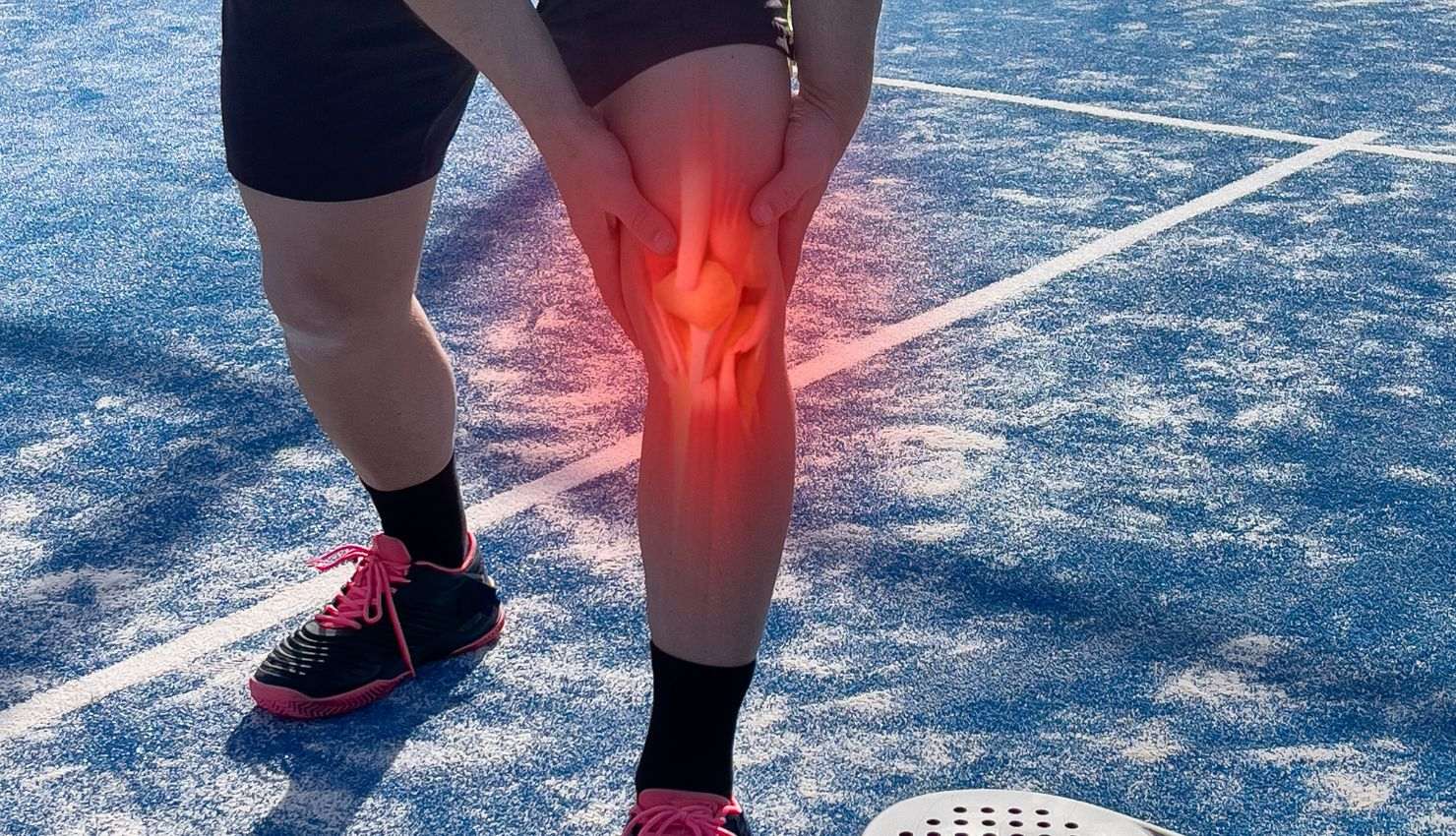
Osteoarthritis (OA) is one of the most common types of arthritis, primarily affecting the joints, particularly in areas such as the knees, hips, hands, and spine. OA is characterized by the degeneration of cartilage, leading to joint pain, stiffness, swelling, and reduced mobility. Although OA cannot be fully cured, physiotherapy plays a crucial role in managing symptoms, improving joint function, and enhancing the overall quality of life for those living with the condition.
Heres how physiotherapy helps treat joint pain from osteoarthritis:
### **1. Pain Management and Inflammation Control**
Pain and inflammation are two hallmark symptoms of osteoarthritis, often leading to difficulty in movement. Physiotherapists use a range of techniques to alleviate pain, reduce inflammation, and help you move more freely.
#### **Techniques for Pain Relief:**
* **Ice Therapy (Cryotherapy)**: Applying cold packs to the affected joints can help reduce swelling and numb pain. Ice therapy is particularly effective during flare-ups when the joint becomes inflamed and tender.
* **Heat Therapy**: Heat can be applied to relax muscles, improve circulation, and ease stiffness around the joint. Moist heat (such as warm towels or baths) can penetrate deeper into tissues and provide relief for muscle tightness and joint discomfort.
* **Transcutaneous Electrical Nerve Stimulation (TENS)**: TENS involves the use of electrical impulses to stimulate nerves and block pain signals, providing temporary relief from OA pain.
* **Ultrasound Therapy**: Therapeutic ultrasound uses sound waves to penetrate deep into tissues, promoting blood circulation, reducing inflammation, and helping heal the affected joint.
* **Manual Therapy**: Gentle joint mobilizations or soft tissue massage performed by a physiotherapist can help reduce pain and improve joint movement.
By using these techniques, physiotherapists reduce discomfort, helping patients regain function and mobility.
—
### **2. Restoring Joint Range of Motion (ROM)**
Osteoarthritis often leads to joint stiffness, limiting the ability to move freely. One of the primary goals of physiotherapy is to restore the range of motion (ROM) in affected joints, which reduces pain and improves overall functionality.
#### **How Physiotherapy Restores ROM:**
* **Passive and Active ROM Exercises**: Physiotherapists use a combination of passive (where the physiotherapist assists the movement) and active (where the patient moves the joint) exercises to increase the joints mobility.
* **Stretching**: Targeted stretching exercises are used to reduce muscle tension and improve flexibility around the affected joint, allowing for easier movement.
* **Joint Mobilizations**: Physiotherapists use gentle techniques to mobilize the joint, which helps improve flexibility and reduce stiffness in OA-affected areas.
Improved ROM allows individuals to perform everyday tasks such as walking, sitting, and standing with less pain and restriction.
—
### **3. Strengthening Muscles Around the Joint**
In osteoarthritis, the muscles surrounding the affected joint often become weak and less able to provide support, increasing the load on the joint itself. Physiotherapy focuses on strengthening these muscles to provide better joint support, reduce pain, and improve function.
#### **How Strengthening Helps:**
* **Muscle Support for Joints**: Strengthening the muscles around the joint helps support the joint more effectively, reducing the amount of pressure placed on the cartilage and bones.
* **Pain Reduction**: Stronger muscles help absorb shock and reduce strain on the joint, alleviating pain and improving movement.
* **Preventing Muscle Atrophy**: Weak muscles can further contribute to joint instability. Physiotherapy helps prevent muscle wasting (atrophy) through gradual strengthening exercises.
#### **Common Strengthening Exercises:**
* **Quadriceps Strengthening**: For knee OA, strengthening the quadriceps (front thigh muscles) helps stabilize the knee joint and reduce pressure on the cartilage.
* **Hip and Glute Strengthening**: Strengthening the gluteal and hip muscles helps support the pelvis and reduces strain on the hip joint, particularly in cases of hip osteoarthritis.
* **Core Strengthening**: Improving the strength of the core muscles (abdominals and lower back) helps stabilize the spine and reduces pressure on the lower back and hips.
—
### **4. Improving Posture and Body Mechanics**
Osteoarthritis can be exacerbated by poor posture or improper body mechanics, leading to further strain on joints and muscles. Physiotherapists help individuals with OA improve posture and body mechanics to alleviate pain and prevent additional stress on the joints.
#### **How Posture and Body Mechanics Help:**
* **Correcting Posture**: Physiotherapists teach proper posture, which can reduce the strain on the joints, particularly in the spine, hips, knees, and shoulders.
* **Movement Patterns**: Physiotherapists educate patients on how to move more efficiently, such as teaching proper lifting techniques and strategies for walking or standing for long periods.
* **Ergonomics**: Physiotherapists provide advice on how to adjust workspaces, furniture, or daily activities to minimize stress on OA-affected joints.
Good posture and body mechanics help manage pain and increase the longevity of the joints by reducing wear and tear.
—
### **5. Balance and Proprioception Training**
Proprioception is the bodys ability to sense the position of joints in space. OA can impair proprioception, leading to a higher risk of falls and further injury. Physiotherapists use balance and proprioception training to enhance joint stability and coordination.
#### **How Balance Training Helps:**
* **Reduces Fall Risk**: Improved proprioception and balance help prevent falls and injuries, particularly in those with OA in weight-bearing joints like the hips and knees.
* **Joint Stability**: Training the stabilizing muscles around the joints improves their function and reduces pain by providing more support and reducing the risk of joint instability.
* **Confidence in Movement**: As balance improves, patients gain confidence in their ability to move safely, which is critical for reducing the fear of further injury.
#### **Examples of Balance and Proprioception Exercises:**
* **Single-Leg Stance**: Standing on one leg challenges balance and strengthens the stabilizing muscles in the hips, knees, and ankles.
* **BOSU Ball Exercises**: Using an unstable surface such as a BOSU ball helps improve proprioception and joint stability, particularly in the lower limbs.
* **Heel-to-Toe Walking**: Walking in a straight line with one foot directly in front of the other helps improve balance and coordination.
—
### **6. Education on Activity Modification and Joint Protection**
A key aspect of physiotherapy for osteoarthritis is education. Physiotherapists teach patients how to modify daily activities and protect their joints, reducing the risk of overuse and further damage.
#### **How Education Helps:**
* **Pacing Activities**: Physiotherapists advise on how to pace activities and incorporate rest periods to avoid overloading affected joints, helping to manage flare-ups of pain.
* **Using Assistive Devices**: For people with knee or hip OA, physiotherapists may recommend using devices such as knee braces, walking aids, or orthotics (shoe inserts) to reduce pain and improve function.
* **Avoiding High-Impact Activities**: Patients are educated on avoiding activities that place undue strain on their joints, such as running or jumping, and are encouraged to engage in low-impact exercises like swimming, cycling, or walking.
—
### **7. Long-Term Management and Prevention of Joint Degradation**
While osteoarthritis is a progressive condition, physiotherapy plays an important role in slowing its progression and preventing further joint degeneration. By maintaining joint function, muscle strength, and flexibility, physiotherapy helps manage long-term symptoms and reduce the need for more invasive treatments like surgery.
#### **Preventive Strategies:**
* **Exercise Programs**: Regular exercise programs designed by physiotherapists help maintain joint health, flexibility, and strength, preventing further deterioration.
* **Lifestyle Modifications**: Physiotherapists offer advice on maintaining a healthy weight, which reduces stress on weight-bearing joints and helps manage symptoms of OA.
* **Joint Protection Strategies**: Patients are taught how to use joint protection strategies to avoid exacerbating wear and tear on the affected joint.
—
### **8. Psychological Support and Motivation**
Chronic pain from OA can take a psychological toll, leading to frustration, anxiety, and depression. Physiotherapists provide emotional support and encouragement throughout the rehabilitation process, helping patients stay motivated and optimistic about their recovery.
#### **How Physiotherapy Supports Mental Well-being:**
* **Setting Achievable Goals**: Physiotherapists work with patients to set realistic, achievable goals, which provides a sense of accomplishment and motivates them to continue their treatment.
* **Pain Coping Strategies**: Techniques such as relaxation exercises, mindfulness, and deep breathing can help manage the emotional and psychological aspects of chronic pain.
* **Positive Reinforcement**: By celebrating small victories and progress, physiotherapists help patients regain confidence and stay motivated.
—
### **Conclusion**
Physiotherapy is an essential component in the management and treatment of osteoarthritis. By focusing on pain management, improving joint function, restoring strength, and preventing future deterioration, physiotherapists help individuals with OA lead active, fulfilling lives. Through a combination of manual therapy, exercise programs, education, and emotional support, physiotherapy empowers patients to manage their symptoms effectively and prevent further joint damage, significantly improving their quality of life. Whether you’re dealing with early-stage OA or managing more advanced symptoms, physiotherapy offers a holistic approach to treatment and recovery.