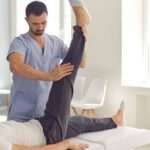
The Role of Physiotherapy in Treating Post-Surgical Scar Tissue and Adhesions explores targeted strategies for recovery. Discover new paths to mobility, healing, and personalized care.


Surgery can be a necessary step toward healing or correcting a medical issue, but it often comes with its own challengesone of the most common being the development of scar tissue and adhesions. These unwanted fibrous tissues can restrict movement, cause pain, and limit function long after the surgical wounds have healed. At YourFormsUX in Canada, physiotherapy plays a pivotal role in managing and minimizing the impact of post-surgical scar tissue and adhesions to help patients regain optimal mobility and comfort.
Understanding Scar Tissue and Adhesions
When the body heals after surgery, it naturally forms scar tissue as part of the repair process. While scar tissue is essential for closing wounds, excessive or improperly formed scar tissue can lead to adhesionsbands of fibrous tissue that abnormally connect tissues or organs. These adhesions can restrict movement between muscles, tendons, and organs, leading to stiffness, pain, and sometimes dysfunction in the affected area.
How Scar Tissue and Adhesions Affect Recovery
Post-surgical scar tissue and adhesions can cause several problems:
Reduced Range of Motion: Scar tissue can tighten and restrict joint and muscle movement.
Chronic Pain: Adhesions may irritate nerves or cause tension in surrounding tissues, leading to discomfort.
Functional Limitations: Movement restrictions can affect everyday tasks, work, and sports.
Delayed Healing: Excessive scar tissue may slow recovery and rehabilitation progress.
Addressing these issues early with physiotherapy can prevent complications and enhance overall outcomes.
The Role of Physiotherapy in Managing Scar Tissue and Adhesions
Physiotherapy is vital in treating post-surgical scar tissue and adhesions through several targeted strategies:
Manual Therapy: Skilled hands-on techniques such as soft tissue mobilization, myofascial release, and massage help break down adhesions and improve tissue elasticity. These therapies promote circulation and reduce tightness.
Stretching and Range of Motion Exercises: Guided stretching helps maintain or restore flexibility in muscles and joints affected by scar tissue.
Strengthening Exercises: Strengthening the muscles around the surgical site supports joint stability and function, reducing the strain caused by adhesions.
Posture and Movement Training: Correcting movement patterns and posture can reduce stress on scarred tissues and prevent compensatory problems.
Education and Self-Care Techniques: Physiotherapists teach patients how to manage scar tissue through self-massage, scar desensitization, and home exercise programs.
Early Intervention Is Key
Starting physiotherapy soon after surgery, when medically appropriate, can prevent excessive scar tissue buildup. Early mobilization encourages proper collagen alignment and tissue remodeling, which reduces the formation of restrictive adhesions.
Specialized Techniques for Scar Management
Some physiotherapists are trained in advanced techniques specifically targeting scar tissue:
Instrument-Assisted Soft Tissue Mobilization (IASTM): Using specialized tools to gently break down adhesions.
Ultrasound Therapy: Applying sound waves to stimulate tissue healing and reduce stiffness.
Laser Therapy: Promotes cellular repair and decreases inflammation in scarred areas.
The Psychological Impact of Scar Tissue and Pain
Chronic pain and limited mobility due to scar tissue can take a toll on mental health. Physiotherapy provides not only physical relief but also emotional support, helping patients regain confidence in their bodies.
Real-Life Benefits of Physiotherapy for Post-Surgical Recovery
Patients undergoing physiotherapy for scar tissue management often report:
Improved joint and muscle flexibility
Reduced pain and discomfort
Enhanced ability to perform daily activities
Faster overall recovery and return to work or sport
Why Choose YourFormsUX for Post-Surgical Physiotherapy?
YourFormsUX offers experienced physiotherapists who understand the complexities of post-surgical rehabilitation. We deliver personalized treatment plans combining manual therapy, exercise, and education to optimize your recovery and minimize the impact of scar tissue.