The Role of Sports-Specific Therapy for Recovering from Sports Injuries explores targeted strategies for recovery. Discover new paths to mobility, healing, and personalized care.

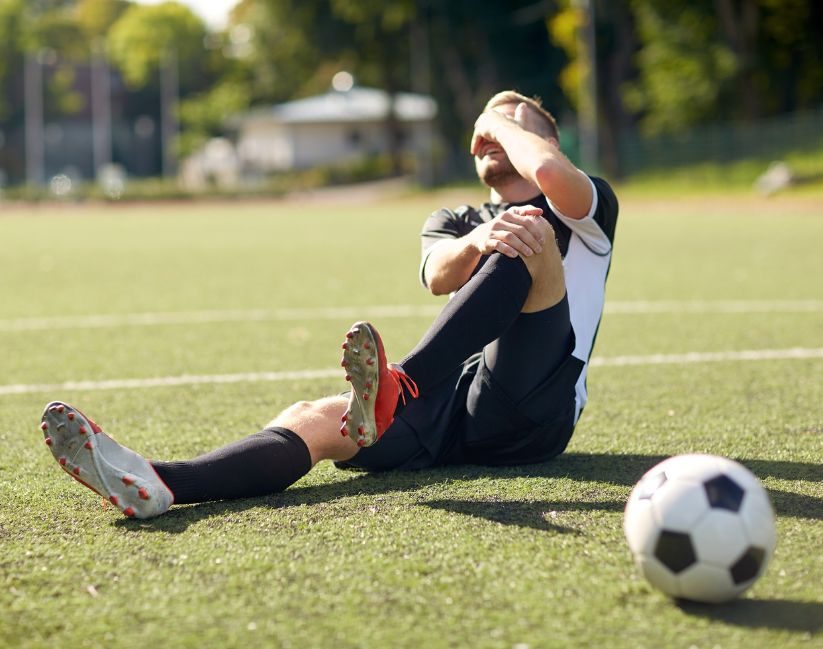
Whether youre a weekend warrior or a professional athlete, injuries are an unfortunate part of sports. A pulled hamstring, a torn ligament, a rolled ankleno matter the type, they all have one thing in common: they impact your performance, confidence, and quality of life. But what determines how welland how fastyou recover? Its not just rest. Its sports-specific physiotherapy.
At YourFormsUX, we believe the road to recovery should be as tailored as your training. Our team of physiotherapists across Canada use sports-specific therapy to guide injured athletes back to peak performance, focusing not only on healing but on rebuilding strength, coordination, and function tailored to each sport.
Lets break down how sports-specific therapy worksand why its become the gold standard for injury recovery.
What Is Sports-Specific Physiotherapy?
Unlike general rehab, sports-specific physiotherapy is personalized to the demands of your sport. It blends injury management, performance rehabilitation, and functional movement retraining to:
Address the root cause of the injury
Restore joint and muscle function
Rebuild athletic movement patterns
Reintegrate players back into training and competition safely
Whether youre recovering from an ACL tear in soccer, a rotator cuff injury in baseball, or shin splints from long-distance running, our approach at YourFormsUX ensures every part of your rehab reflects the movements, loads, and skills required by your sport.
The Difference Sports-Specific Therapy Makes
Traditional physiotherapy often stops when the pain stops. But sports-specific therapy takes it further. Its not just about feeling betterits about moving better, training smarter, and preventing reinjury.
With this approach, athletes benefit from:
Faster, more complete recovery
Improved movement efficiency
Enhanced performance post-rehab
Reduced re-injury rates
Mental confidence to return to play
The Sports Injury Recovery Process at YourFormsUX
Heres how our structured, step-by-step recovery pathway works for injured athletes:
1. Detailed Injury Assessment
Recovery starts with understanding the cause of the injury, not just the symptoms. Our therapists perform:
Musculoskeletal evaluation of the injured area
Functional movement screening
Strength, range of motion, and flexibility tests
Gait and biomechanical analysis
Sport-specific movement review
This gives us a roadmap to not only treat the injury but to identify weak links, poor movement patterns, or imbalances that contributed to it.
2. Acute Injury Management
In the early days post-injury, we focus on:
Pain reduction
Inflammation control
Gentle movement to preserve range of motion
Restorative strategies (compression, manual therapy, soft tissue work)
Depending on the injury, we may use:
Dry needling or trigger point release
Therapeutic ultrasound
Taping and bracing
Low-load mobility drills
The key is to keep the athlete engaged and moving safely while managing tissue healing.
3. Progressive Strength and Conditioning
Once the acute symptoms have settled, its time to rebuild.
Our sports-specific physiotherapy programs include:
Eccentric and concentric strength training
Stability and proprioception work
Gluteal and core activation
Dynamic resistance exercises
Sport-specific load simulations
This is where generic rehab usually stopsbut we go further. Every rep, every drill is connected to your sport: explosive lunges for football, overhead stability for volleyball, rotation control for tennis.
4. Functional Movement Retraining
Relearning how to move efficiently and safely is crucial. We restore:
Balance and single-leg control
Joint alignment under load
Agility and change-of-direction mechanics
Landing and deceleration strategies
These drills are modified based on the athletes sport and position. A basketball player and a swimmer may both have shoulder injuries, but their movement rehab is entirely different.
5. Return-to-Sport Integration
One of the most vital and often skipped steps in rehab is the gradual return-to-play progression.
Our team uses structured phases that bridge the gap between therapy and full performance. This includes:
Game-speed drills
Plyometric and reaction training
Sport-specific endurance conditioning
Controlled contact or impact scenarios
Only after athletes pass functional testingincluding strength, symmetry, fatigue resilience, and mental confidencedo we clear them for return.
6. Injury Prevention and Maintenance
After rehab, the focus shifts to long-term durability. We create custom maintenance programs that include:
Mobility and recovery routines
Core and joint stabilization work
Load monitoring strategies
Periodic movement screening
Athletes learn not just how to rehabbut how to train smarter and protect their bodies over time.
Sports We Commonly Support at YourFormsUX
Weve built recovery programs for athletes in:
Soccer
Basketball
Football
CrossFit and weightlifting
Hockey
Running and track
Tennis and racquet sports
Swimming and gymnastics
Each sport has its own biomechanical demands, and our therapy reflects thatfrom injury onset to full return.
Why Athletes in Canada Choose YourFormsUX
Weve helped hundreds of athletes across Ontario, Alberta, British Columbia, and beyond rebuild their performance after injury. Heres why they trust us:
One-on-one, athlete-centered care
Integrated recovery and performance planning
Functional testing and return-to-sport assessments
Direct communication with coaches and trainers
Cutting-edge manual therapy and exercise protocols
We dont believe in quick fixes. We believe in building resilient athletes for life, not just for this season.
Common Sports Injuries We Treat
ACL/MCL sprains and tears
Meniscus injuries
Rotator cuff strains and tears
Achilles tendinopathy
Shin splints and stress fractures
Lower back disc and muscle injuries
Concussions and whiplash
Tennis elbow and golfers elbow
Patellofemoral pain and runners knee
Each one gets a fully customized treatment pathway, not a generic plan.
Dont Just HealRecover Like an Athlete
If youre dealing with a sports injuryor struggling with the lingering effects of onedont settle for basic rehab. At YourFormsUX, our sports-specific physiotherapy approach helps you return stronger, smarter, and more prepared than before.
Let us help you do more than heal. Lets rebuild your power, protect your performance, and bring you back to the sport you love.
Book your personalized injury assessment with YourFormsUX todayand start your comeback the right way.