Lets be honest: stretching is the one part of fitness routines most of us tend to rush through or skip altogether. After all, when you’re eager to hit the gym, start your run, or dive into a game, those slow, bendy movements can feel like a time-waster.

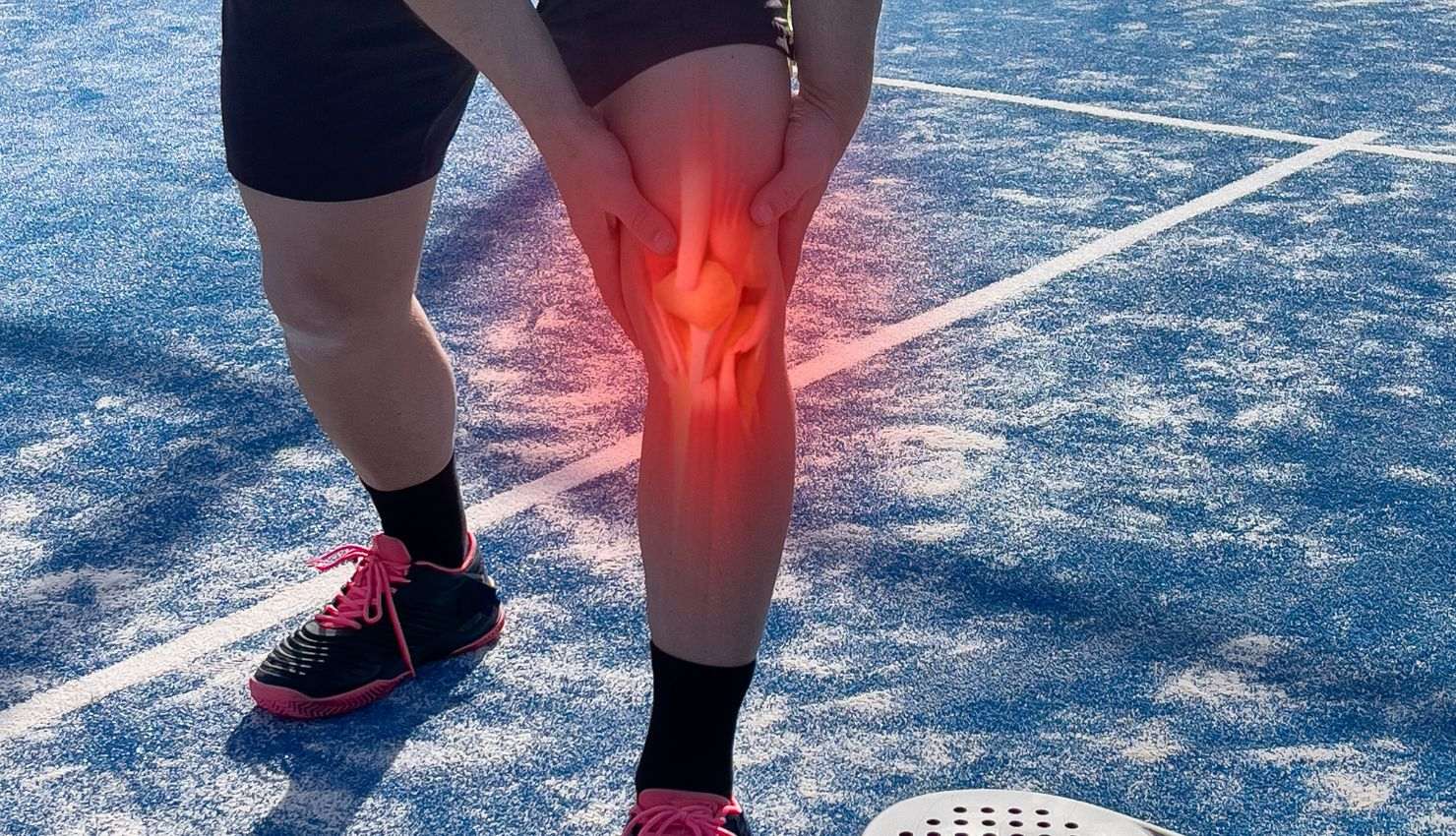
Lets be honest: stretching is the one part of fitness routines most of us tend to rush through or skip altogether. After all, when you’re eager to hit the gym, start your run, or dive into a game, those slow, bendy movements can feel like a time-waster.
But heres the reality: stretching is one of your bodys best defenses against pain and injury. Whether youre a seasoned athlete, weekend warrior, or just trying to stay active and pain-free, stretching plays a critical role in keeping your body moving smoothly and safely.
Lets unpack why its so important and how to do it right.
1. Why Stretching Matters: The Science Behind the Stretch
Think of your muscles like rubber bands. When they’re warm and flexible, they move freely and perform better. When theyre tight and cold? Theyre more likely to snap under pressure which translates to muscle strains, joint stress, and even long-term pain.
Stretching:
Increases flexibility and range of motion
Improves circulation, helping muscles warm up and recover faster
Reduces stiffness and tension, especially after long periods of inactivity
Prepares the body for movement, improving performance and coordination
Helps align posture, which can reduce chronic neck, back, or shoulder pain
Basically, stretching is your muscles way of getting ready for action and recovering after the effort.
2. Dynamic vs. Static Stretching: When and Why to Use Each
Not all stretching is the same. Knowing what type of stretching to use and when can make a big difference in how your body responds.
Dynamic Stretching (Before Activity):
These are active movements that mimic the workout or sport you’re about to do. Think:
Arm circles
Leg swings
Walking lunges
High knees
Dynamic stretching helps wake up your muscles and increase blood flow, preparing your body for movement and reducing the risk of injury during exercise.
Static Stretching (After Activity):
These involve holding a position for 2030 seconds to gently lengthen a muscle. Examples include:
Touching your toes
Holding a quad stretch
Sitting hamstring stretches
Static stretching is perfect after a workout when muscles are warm. It aids in recovery, reduces soreness, and gradually improves long-term flexibility.
3. Stretching for Pain Relief
If youre dealing with chronic discomfort like back pain, tight hips, or stiff shoulders stretching can offer incredible relief. Targeted stretches can help release muscle tension, correct imbalances, and decompress joints.
For example:
Stretching the hip flexors and hamstrings can ease lower back pain.
Opening up the chest and shoulders can counteract tech neck or poor posture from sitting all day.
Gentle spinal twists and cat-cow stretches can improve mobility in the spine.
Consistency is key just a few minutes a day can make a big difference.
4. Tips for Safe and Effective Stretching
Stretching might seem simple, but doing it wrong can actually cause more harm than good. Heres how to get the most out of it:
? Warm up first. Never stretch cold muscles do 5 minutes of light movement first.
? Breathe deeply. Inhale and exhale slowly to help your body relax into each stretch.
? Dont bounce. Bouncing while stretching can cause small tears in the muscle.
? Stop if it hurts. Discomfort is okay. Sharp pain is not.
? Be consistent. Stretching regularly not just once in a while is what keeps your body flexible and injury-resistant.
5. Stretching is Self-Care for Your Muscles
Think of stretching as a gift you give your body. It doesn’t just help prevent injuries; it also improves how you move, feel, and function every day. Whether you’re hitting the gym, chasing your kids, or just reaching for something on the top shelf flexibility matters.
So next time youre tempted to skip the stretch? Dont.
Your future pain-free self will thank you.