The Role of Structural Integration in Alleviating Soft Tissue Pain explores targeted strategies for recovery. Discover new paths to mobility, healing, and personalized care.

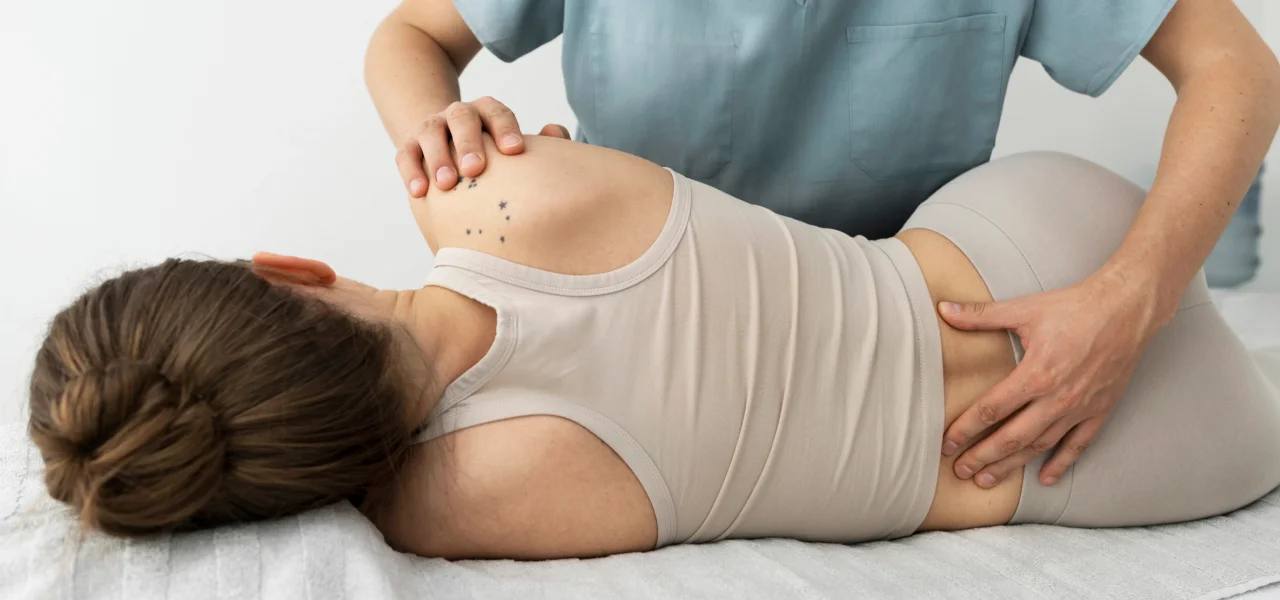
Soft tissue painwhether in muscles, ligaments, or fasciais a common source of discomfort that can affect your daily life, movement, and overall wellbeing. It often arises from tension, injury, poor posture, or chronic stress, leading to stiffness, soreness, and limited mobility.
Structural Integration (SI) is a specialized form of bodywork that focuses on releasing restrictions in soft tissues to reduce pain, restore balance, and improve function.
What Is Soft Tissue Pain?
Soft tissue includes muscles, tendons, ligaments, and fasciathe connective tissue surrounding muscles and organs. When these tissues become:
Tight or contracted
Inflamed or injured
Adhered or restricted
they can cause localized or referred pain, stiffness, and movement limitations.
How Does Structural Integration Help?
1. Releases Fascial and Muscular Restrictions
SI uses slow, deliberate pressure to melt adhesions and tight areas in fascia and muscles, restoring tissue elasticity and reducing pain.
2. Restores Proper Tissue Function
By freeing soft tissue, SI allows muscles and ligaments to work more efficiently, supporting joint stability and reducing abnormal strain that contributes to pain.
3. Improves Circulation and Lymphatic Flow
Releasing soft tissue restrictions enhances blood flow and lymph drainage, which helps reduce inflammation and promote healing.
4. Balances Muscle Tension
SI identifies imbalances where some muscles are overly tight and others are weak or inactive. Rebalancing this tension relieves chronic stress on soft tissues, decreasing discomfort.
5. Supports Postural Alignment
Soft tissue pain often stems from or contributes to poor posture. SI realigns the body, which reduces abnormal stress on muscles and connective tissue.
Who Benefits?
People with chronic muscle pain or stiffness
Those recovering from soft tissue injuries
Individuals with postural strain or repetitive stress pain
Anyone seeking a natural approach to reduce muscle and connective tissue discomfort
Final Thoughts
Structural Integration offers a holistic, effective way to alleviate soft tissue pain by addressing the underlying restrictions and imbalances in your muscles and fascia. With improved tissue function and alignment, you can move more freely and feel more comfortable in your body.