The Role of Structural Integration in Managing Muscular and Joint Pain explores targeted strategies for recovery. Discover new paths to mobility, healing, and personalized care.

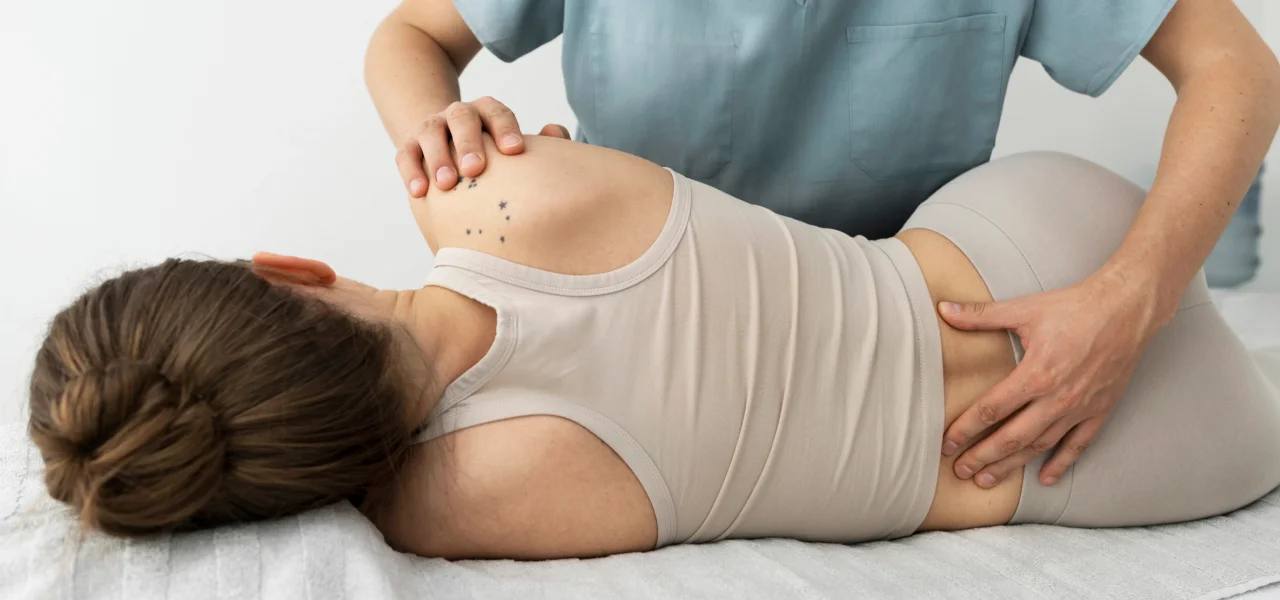
Muscular and joint pain are common challenges that affect millions, often limiting movement and reducing quality of life. Whether caused by injury, chronic conditions, poor posture, or repetitive strain, this pain can be persistent and frustrating.
Structural Integration (SI) offers a holistic, hands-on approach that targets the underlying structural imbalances and fascial restrictions contributing to muscular and joint painhelping you find lasting relief.
How Muscular and Joint Pain Develop
Pain often arises when muscles and fascia become tight or imbalanced, pulling joints out of alignment or causing excessive strain. These imbalances disrupt normal movement patterns and can lead to inflammation, stiffness, and discomfort.
How Structural Integration Helps Manage Pain
1. Releases Fascial Tension
SI works to soften and lengthen tight fascia, which surrounds muscles and joints. This reduces restrictions that contribute to pain and improves tissue flexibility.
2. Balances Muscular Function
By identifying overactive and underactive muscles, SI helps restore muscle balance, ensuring joints are properly supported and reducing abnormal wear or strain.
3. Improves Joint Alignment and Mobility
SI gently encourages joints back into their natural alignment and restores normal joint motion, easing stiffness and reducing pressure on surrounding tissues.
4. Enhances Circulation and Healing
Improved blood and lymph flow from SI supports tissue repair and reduces inflammation, aiding recovery and reducing chronic pain.
5. Addresses Postural Issues
SI corrects postural imbalances that often perpetuate pain, helping you maintain a healthier alignment and avoid future problems.
Who Can Benefit?
Individuals with chronic muscular pain or joint stiffness
Those recovering from injury or surgery
People with arthritis or other degenerative joint conditions
Anyone experiencing pain linked to poor posture or repetitive strain
Final Thoughts
Structural Integration plays a vital role in managing muscular and joint pain by addressing the root causes, not just the symptoms. Its holistic approach supports better alignment, balanced muscles, and improved movementhelping you move more comfortably and confidently.