The Role of Structural Integration in Pain Management and Healing explores targeted strategies for recovery. Discover new paths to mobility, healing, and personalized care.

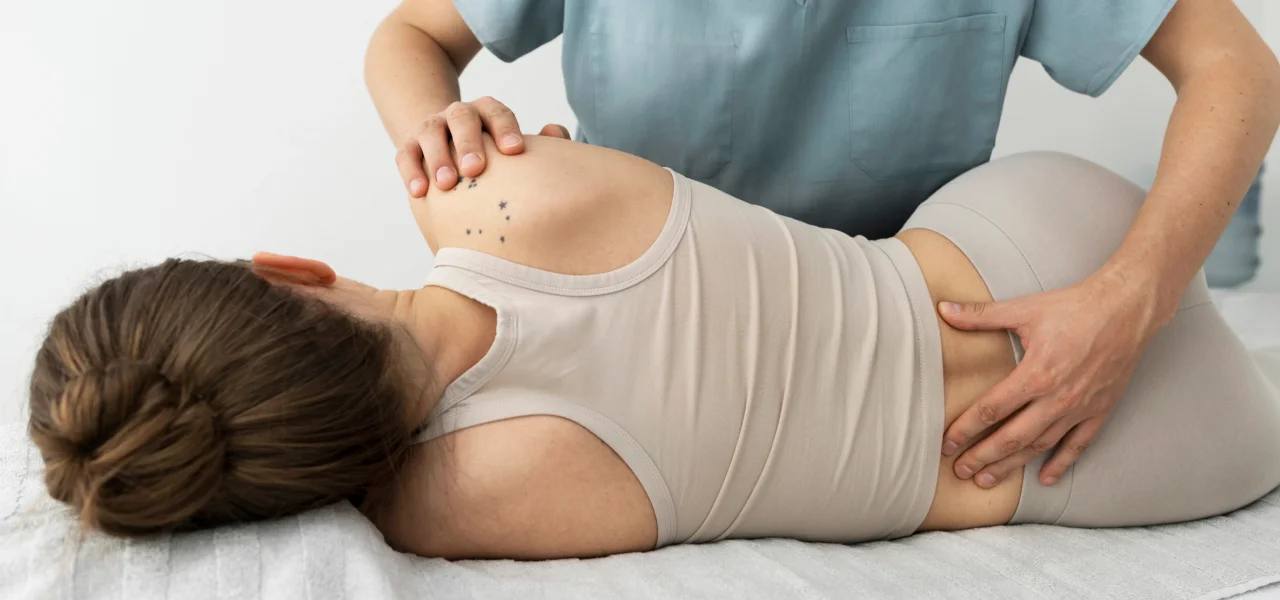
Structural Integration (SI), commonly known as Rolfing, is a hands-on therapy that focuses on manipulating the bodys fasciaits connective tissue networkto address musculoskeletal issues, alleviate pain, and promote overall healing. The fascia plays a vital role in the structural and functional alignment of the body. When it becomes restricted or tight due to poor posture, injury, repetitive movement, or stress, it can result in pain, discomfort, and limited mobility. Structural Integration aims to restore balance, improve posture, and alleviate pain by releasing these fascial restrictions and realigning the bodys structure.
Heres how Structural Integration plays a pivotal role in pain management and healing:
1. Releasing Fascial Restrictions and Reducing Pain
Fascia is a dense connective tissue that surrounds and supports muscles, bones, and organs. When fascia becomes restricted or adhered due to poor posture, injury, or repetitive movements, it can create tension, pain, and stiffness. These fascial restrictions can also affect the way the muscles, joints, and nerves function, leading to discomfort.
Structural Integration works to release these fascial restrictions through targeted manipulation. By applying deep pressure and stretching techniques, SI helps loosen tight fascia, restore its natural flexibility, and reduce muscle and joint tension. This release of fascial restrictions leads to pain reduction by improving muscle function, restoring mobility, and allowing the body to move freely and without discomfort.
2. Improving Posture and Alignment
Poor posture is often a significant contributing factor to chronic pain. Misalignment in the spine, pelvis, shoulders, or hips can place strain on muscles and joints, leading to pain, discomfort, and muscle imbalances. For example, poor posture from prolonged sitting or slouching may cause tension in the upper back, neck, and shoulders, contributing to pain.
Structural Integration addresses postural misalignments by realigning the body. Through techniques such as spinal manipulation and myofascial release, SI corrects misalignments in the spine and joints, ensuring that the body is in a more balanced and symmetrical position. Proper alignment reduces strain on the muscles and joints, allowing for more efficient movement and reducing the likelihood of pain and injury in the long term.
3. Restoring Movement and Flexibility
When fascia becomes tight and restricted, it can limit the range of motion in the joints and muscles. This reduction in flexibility can make movement difficult and painful, further contributing to discomfort. Structural Integration works to release tight fascia and muscles, improving flexibility and mobility.
Through deep tissue techniques and joint mobilization, SI restores the natural length of muscles and improves the range of motion in joints. This enhanced flexibility allows for more fluid, natural movement and reduces the risk of injury. As a result, SI not only helps alleviate pain but also promotes better functional movement and reduces the likelihood of future pain or injuries caused by stiffness.
4. Addressing Muscle Imbalances
Muscle imbalances often lead to pain by creating uneven forces on the body. For instance, tight muscles may become overactive and cause pain, while weak muscles may not be able to properly support the body, leading to compensation by other muscles. This imbalance can create poor posture, misalignment, and excessive strain on certain muscles or joints.
Structural Integration addresses muscle imbalances by releasing tight muscles and activating weaker ones. Through techniques like muscle energy techniques and myofascial release, SI targets overactive muscles, reducing their tension, while working to strengthen underactive muscles. By restoring balance to the muscles, SI promotes better body mechanics, reducing pain and enhancing functional movement.
5. Enhancing Circulation and Supporting Tissue Healing
Effective circulation is essential for the healing process. When tissues are injured or inflamed, the delivery of oxygen and nutrients to the affected area is critical for repair and recovery. Poor circulation can slow down this process, leading to prolonged pain and slower healing.
Structural Integration enhances circulation by improving the mobility of muscles, joints, and fascia. As the bodys alignment improves and fascial restrictions are released, blood flow to the tissues is increased. This improved circulation helps deliver oxygen and nutrients to the affected areas and facilitates the removal of metabolic waste products, accelerating the healing process and reducing inflammation. Enhanced circulation also promotes tissue regeneration, supporting both the recovery of injured tissues and the relief of pain.
6. Reducing Stress and Emotional Tension
Stress and emotional tension can manifest physically, contributing to muscle tightness, pain, and discomfort, particularly in areas such as the neck, shoulders, and back. The physical and emotional aspects of tension are often interrelated, and when the body is stressed, muscles may contract, leading to pain.
Structural Integration addresses both the physical and emotional components of tension. By releasing tight muscles, fascia, and restoring body alignment, SI helps relax the body and reduces the effects of emotional stress. The techniques used in SI promote deep relaxation, helping to release the physical manifestations of stress and contributing to overall emotional and physical well-being.
7. Promoting Whole-Body Healing
One of the key principles of Structural Integration is its holistic approach to healing. Unlike other treatments that focus solely on specific areas of pain or discomfort, SI treats the body as a whole. It recognizes that pain in one area of the body may be a result of dysfunction in another area, and by addressing the entire bodys alignment, SI promotes overall healing.
Through a series of treatments, SI helps restore balance across the entire musculoskeletal system, improving overall body function. By targeting fascial restrictions, postural imbalances, and muscle tension throughout the body, SI encourages the bodys natural ability to heal itself and maintain long-term health. This holistic approach helps to prevent the recurrence of pain by addressing the underlying causes rather than just the symptoms.
8. Supporting Long-Term Pain Relief
Structural Integration is not just focused on temporary relief but aims to provide lasting pain management. By addressing the root causes of painsuch as fascial restrictions, misalignments, muscle imbalances, and poor postureSI creates lasting changes in the bodys structure and function.
As the bodys alignment improves and movement patterns become more efficient, the risk of future pain or injury is reduced. SI helps individuals maintain long-term health by promoting better posture, improving flexibility, strengthening weak muscles, and optimizing the bodys movement mechanics.
Conclusion: Structural Integration in Pain Management and Healing
Structural Integration is an effective and holistic approach to pain management and healing. By focusing on the fascia, muscles, joints, and overall body alignment, SI works to release restrictions, improve posture, and restore balance, providing long-term relief from pain and discomfort. Whether youre dealing with chronic pain, recovering from an injury, or seeking to improve overall movement and function, Structural Integration offers a comprehensive solution for pain management, tissue healing, and overall well-being. Through its focus on the body as a whole, SI helps address the root causes of pain, supports natural healing, and promotes lasting health and vitality.