The Role of Structural Integration in Postural Improvement and Health explores targeted strategies for recovery. Discover new paths to mobility, healing, and personalized care.

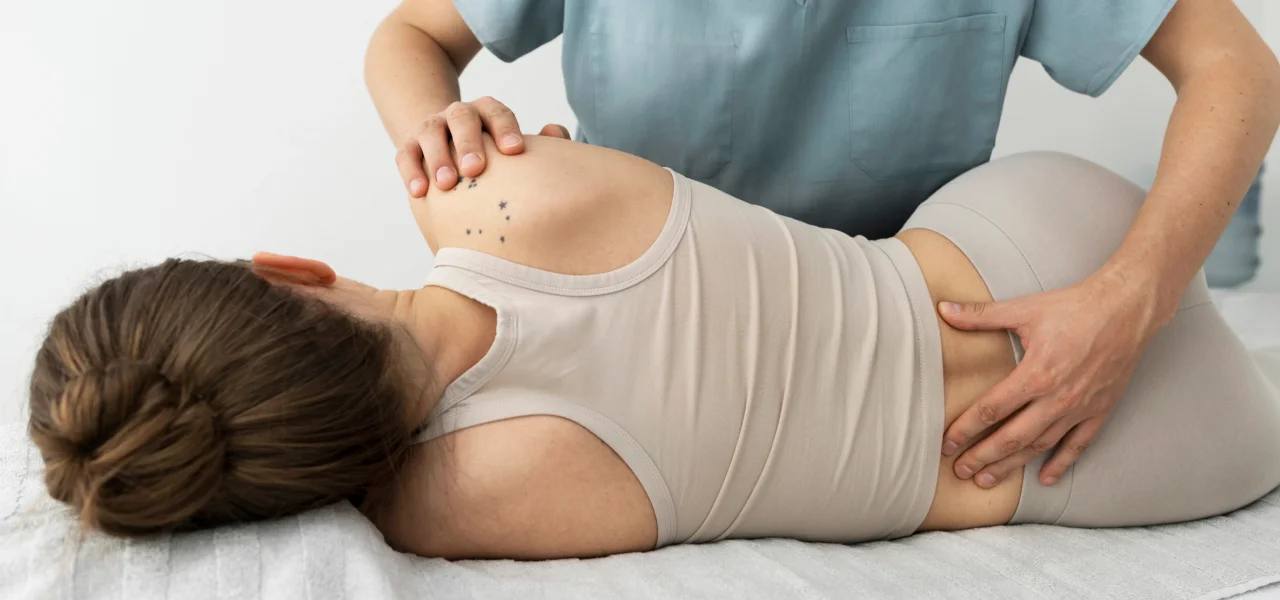
Structural Integration (SI), commonly known as Rolfing, is a form of manual therapy that focuses on the fasciathe connective tissue that surrounds muscles, bones, and organs. This therapy aims to improve body alignment, restore balance, and enhance overall movement by releasing fascial restrictions and addressing imbalances in the musculoskeletal system. One of the primary goals of Structural Integration is to improve posture, which plays a key role in maintaining overall health. Proper posture is essential for efficient movement, reducing strain on muscles and joints, and preventing chronic pain and injuries.
Heres how Structural Integration helps with postural improvement and overall health:
1. Restoring Proper Alignment and Balance
The bodys structure is deeply connected to its function, and poor alignment often leads to inefficient movement patterns, muscle strain, and discomfort. SI focuses on realigning the body by addressing misalignments in the spine, pelvis, and joints, which are common causes of poor posture.
Spinal realignment is a core component of SI. Misalignments in the spine can lead to poor posture, back pain, and discomfort. By adjusting the vertebrae and restoring the spines natural curves, SI improves posture and reduces the risk of chronic pain.
Pelvic realignment ensures that the pelvis is positioned correctly, which impacts the entire bodys alignment. When the pelvis is out of alignment, it can cause the spine to compensate, leading to tension and misalignment in other areas of the body, such as the shoulders and hips.
By restoring proper alignment through SI, the body achieves a more balanced posture, reducing strain and supporting long-term spinal health.
2. Releasing Fascial Restrictions and Tension
Fascia, the connective tissue that envelops muscles and organs, plays a crucial role in the bodys overall alignment and movement. When fascia becomes tight or restricted due to poor posture, repetitive movement, or injury, it can cause discomfort, stiffness, and poor posture. SI uses myofascial release techniques to address these fascial restrictions, improving flexibility and reducing tension in the body.
Myofascial release targets tight, restricted areas within the fascia, applying sustained pressure to loosen up the tissue. By releasing these restrictions, SI enhances the bodys ability to move more freely and efficiently.
Deep tissue manipulation also works to release muscle tension and improve the flexibility of both muscles and fascia. This reduction in muscle tightness contributes to a more fluid, relaxed posture.
By addressing fascial restrictions, SI improves flexibility, allowing the body to move more freely and adopt a more natural, balanced posture.
3. Correcting Muscle Imbalances and Promoting Efficient Movement
Muscle imbalances occur when some muscles become tight and overactive while others are weak or underactive. These imbalances often lead to poor posture, joint misalignments, and chronic pain. Structural Integration helps restore muscle balance by targeting both tight and weak muscles to improve overall body function.
Muscle energy techniques are used to stretch and lengthen overactive muscles while strengthening underactive muscles. This helps restore balance and coordination between opposing muscle groups, which promotes more efficient movement.
Soft tissue manipulation and myofascial release help relax tight muscles and improve muscle flexibility, allowing the body to move more freely and naturally.
By balancing muscle function, SI helps improve posture by ensuring that muscles are working together efficiently, reducing the risk of pain caused by muscle imbalances.
4. Promoting Awareness of Posture and Movement Patterns
Structural Integration not only addresses physical misalignments and muscle imbalances but also emphasizes the importance of body awareness. Many individuals develop poor movement habits over time, such as slouching, leaning forward, or using inefficient body mechanics. These habits can lead to chronic pain and poor posture.
Postural education is a key aspect of SI. Practitioners teach individuals how to recognize poor posture and make adjustments in their daily activities, such as sitting, standing, and walking. This education helps people become more aware of their bodies and make conscious decisions to improve their posture.
Movement retraining ensures that individuals understand how to move with proper alignment, reducing the strain on muscles and joints. For example, proper lifting techniques and ergonomic adjustments can prevent the development of posture-related issues.
By increasing body awareness, SI encourages individuals to maintain better posture, which reduces the risk of future musculoskeletal problems and improves overall movement efficiency.
5. Enhancing Flexibility and Range of Motion
Flexibility and range of motion are essential for maintaining good posture and reducing strain on the body. When muscles and fascia become tight, it can limit movement and contribute to poor posture. Structural Integration improves flexibility by addressing both the fascia and muscles, which allows for better mobility and more efficient movement.
Joint mobilization techniques are used to improve the range of motion in restricted joints, particularly in areas like the shoulders, hips, and spine. This helps to enhance posture and reduce stiffness.
Stretching and deep tissue techniques improve muscle flexibility by lengthening tight muscles and fascia. This not only enhances posture but also reduces the risk of muscle strain and joint injury.
Improved flexibility and range of motion ensure that the body can move freely, which supports better postural alignment and reduces discomfort caused by muscle tightness or joint stiffness.
6. Reducing Chronic Pain and Discomfort
Chronic pain, particularly in the back, neck, and shoulders, is often the result of poor posture, muscle imbalances, and fascial restrictions. Structural Integration addresses the underlying causes of pain and helps reduce discomfort by improving posture, releasing muscle tension, and restoring the bodys natural alignment.
Spinal and joint manipulation help realign the spine and reduce the pressure on muscles and nerves, which alleviates pain in areas like the lower back, neck, and shoulders.
Myofascial release and deep tissue techniques target tight muscles and fascia that contribute to chronic pain, improving flexibility and restoring proper movement patterns.
By reducing chronic pain and discomfort, SI not only improves posture but also enhances overall health and quality of life.
7. Supporting Long-Term Health and Wellness
The long-term benefits of Structural Integration go beyond addressing immediate pain or misalignment. By regularly improving posture, aligning the body, and balancing muscle function, SI promotes long-term health and wellness.
Ongoing treatments help maintain spinal alignment and muscle balance, reducing the risk of developing musculoskeletal issues in the future. This preventive approach ensures that the body remains balanced and resilient, preventing pain and injury.
Postural education and movement retraining provided in SI help individuals develop habits that support long-term spinal health. By learning how to move efficiently and maintain good posture, individuals can sustain a healthy spine and musculoskeletal system throughout their lives.
By providing preventive care and encouraging healthy habits, Structural Integration helps individuals maintain good posture and function for the long term.
Conclusion: Structural Integration for Postural Improvement and Health
Structural Integration is a highly effective therapy for improving posture and supporting overall health. By releasing fascial restrictions, restoring spinal alignment, balancing muscle function, and promoting body awareness, SI helps individuals move more efficiently and with less strain. This not only alleviates pain but also supports long-term spinal health and musculoskeletal function.