The Role of Structural Integration in Reducing Muscle and Joint Pain explores targeted strategies for recovery. Discover new paths to mobility, healing, and personalized care.

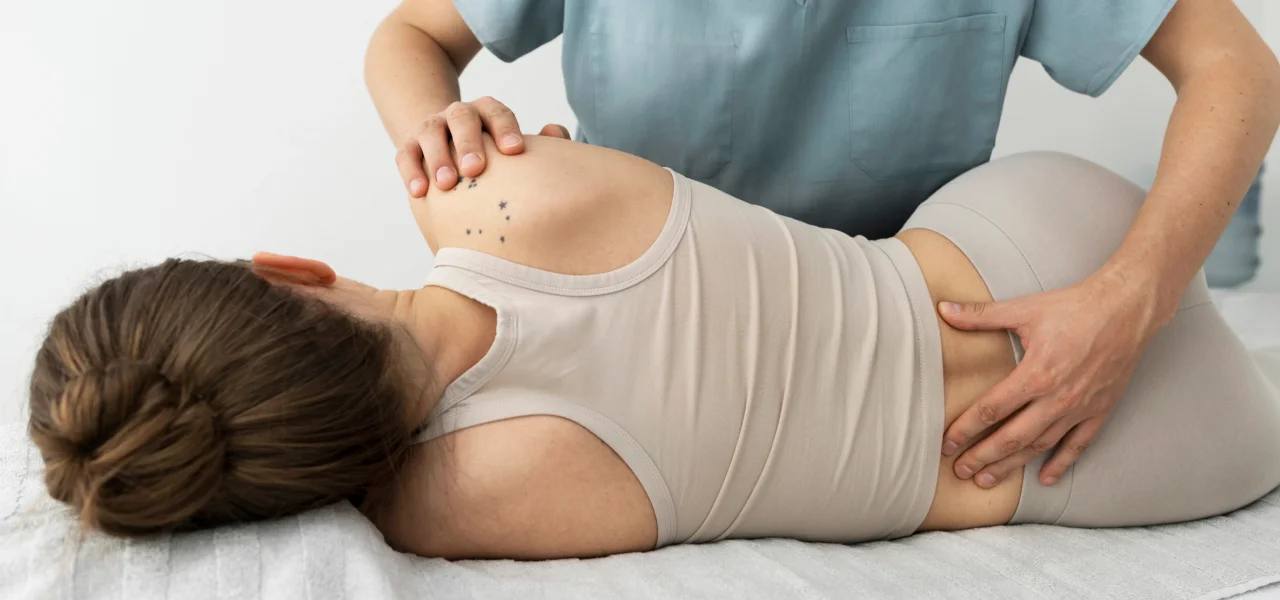
Lets face itmuscle and joint pain can be incredibly frustrating. Whether its an achy lower back, stiff shoulders, or knees that protest every time you stand up, this kind of pain can take a toll on your day-to-day life.
You stretch. You take pain relievers. Maybe youve even tried massage or physical therapy. But the pain keeps coming back. Why? Often, its because the root of the problem isn’t just where it hurtsits how your body is organized and aligned. And thats exactly where Structural Integration (SI) comes in.
Lets explore how this hands-on bodywork method helps reduce muscle and joint painnot just temporarily, but for the long haul.
?? The Foundation: What Is Structural Integration?
Structural Integration is a type of manual therapy that focuses on the fascial systemthe connective tissue that wraps around your muscles, joints, and organs. Over time, due to injury, poor posture, stress, or repetitive movements, this fascia can become tight and restricted. Its like your bodys scaffolding is getting pulled out of balance.
SI works to realign the body with gravity by releasing these restrictions layer by layer. When your body is better aligned, theres less stress on your joints and musclesand less pain as a result.
?? Why Muscle and Joint Pain Happens (and Sticks Around)
We often think of pain as something isolateda sore shoulder or a tight hamstring. But pain is usually part of a bigger pattern. Maybe your hip pain is actually coming from a misaligned pelvis. Or your chronic neck tension is connected to tight fascia in your upper back.
Heres the deal:
Misalignment puts strain on muscles and joints
Compensation patterns develop (your body finds workarounds that cause more tension)
Fascia locks into those patterns, reinforcing pain and poor movement
Structural Integration zooms out to look at the whole body, not just the problem spot.
?? How Structural Integration Eases Pain
1. Improves Postural Alignment
SI addresses the root causes of pain by helping your body stack up correctly. When your head, spine, hips, knees, and feet are aligned, your joints bear weight more efficiently and your muscles dont have to overwork to compensate.
Result? Less strain = less pain.
2. Releases Chronic Tension in Fascia
SI uses slow, targeted pressure to release fascial restrictions that contribute to muscle tightness and limited mobility. This isnt your typical massageit goes deeper and addresses the underlying structure thats been pulling you out of balance.
Many clients say, Its the first time Ive felt that tension truly let go.
3. Restores Natural Movement
Pain often makes us move in guarded, limited ways. Structural Integration retrains the body to move freely and efficiently againwithout compensation or strain. The result is smoother, pain-free movement that feels effortless.
4. Prevents Re-Injury and Future Flare-Ups
Because SI works with the cause of imbalance (not just the symptoms), it helps prevent recurring pain patterns. Youre not just patching things upyoure rewiring your body to support itself better.
?? Common Pain Conditions Structural Integration Can Help With
People turn to SI for relief from a wide range of muscle and joint issues, including:
Chronic neck and shoulder tension
Lower back pain
Sciatica
Hip misalignment
Knee or foot pain
Repetitive strain injuries
TMJ (jaw tension)
Postural imbalances like scoliosis or forward head posture
Even long-term pain conditions that havent responded well to other treatments may improve with SIbecause it works holistically.
?? What to Expect During Your Sessions
Each Structural Integration session is tailored to your unique posture, movement habits, and pain history. The practitioner might start by assessing how you stand, walk, and breathe. Then, theyll use hands-on techniques to release fascial tension in specific areaswhile often guiding you to breathe or move during the process.
Sessions build on one another, typically over a 10-session series that addresses the entire body, one layer at a time.
?? Long-Term Relief, Not Just a Quick Fix
Lets be realtheres no magic button that erases all pain in one go. But Structural Integration is as close as it gets to creating real, lasting change. It doesnt just relieve painit restructures the patterns that cause it in the first place.
If youve tried everything and your pain keeps coming back, maybe its time to stop chasing symptoms and start realigning from the inside out.
? Final Thought: Pain-Free Is Possible
You dont have to live with constant tension, stiffness, or soreness. Structural Integration offers a powerful, body-wide resetbringing your structure back into balance, so your muscles and joints can finally breathe easy.
Because when your body is aligned, movement becomes natural. Tension melts away. And pain no longer runs the show.