The Role of Structural Integration in Restoring Balance to the Body explores targeted strategies for recovery. Discover new paths to mobility, healing, and personalized care.

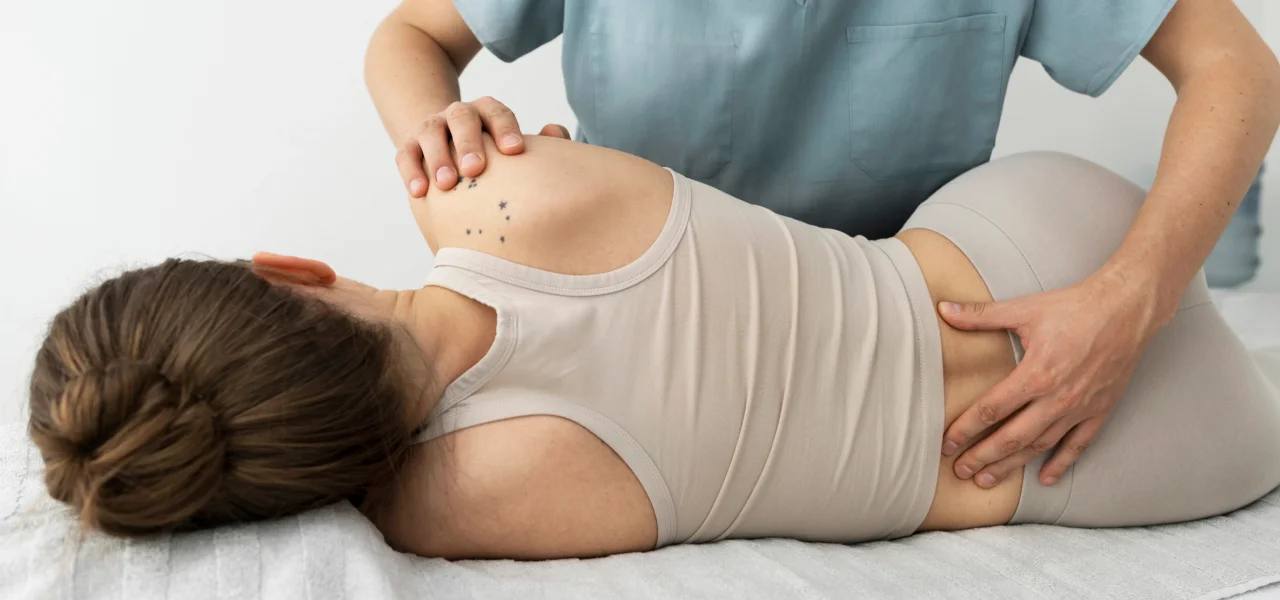
Balance is fundamental to how your body functionsphysically, emotionally, and energetically. When your muscles, joints, and fascia are in harmony, you move with ease, experience less pain, and feel more grounded. However, injuries, stress, poor posture, and repetitive habits can disrupt this balance, leading to tension, discomfort, and limited mobility.
Structural Integration (SI) is a hands-on therapy focused on restoring your bodys balance by addressing the whole system, not just isolated symptoms.
Why Balance Matters
Your body is designed to distribute weight evenly and move efficiently. When balance is disrupted:
Certain muscles become tight and overworked
Other muscles weaken or become inhibited
Joints and fascia pull the body out of alignment
Movement becomes inefficient and painful
Restoring balance supports overall health, reduces strain, and enhances vitality.
How Structural Integration Restores Balance
1. Releases Fascial Restrictions
SI uses slow, targeted pressure to release adhesions and tightness in the fascia, freeing muscles and joints to move more freely.
2. Balances Muscle Tension
SI identifies overactive and underactive muscles, working to even out tension and support proper function.
3. Realigns Your Whole Body
By addressing posture and structural imbalances, SI helps your body return to its natural, balanced alignment.
4. Improves Movement Efficiency
Balanced muscles and alignment enhance your coordination and body awareness, reducing fatigue and injury risk.
Who Can Benefit?
Anyone experiencing chronic tension or pain
Individuals recovering from injury or surgery
Athletes seeking improved performance
Those with posture or mobility issues
Final Thoughts
Structural Integration plays a vital role in restoring your bodys balance, helping you move with greater ease and comfort. By treating your body as an interconnected whole, SI supports lasting wellbeing and resilience.