The Role of Structural Integration in Treating Musculoskeletal Disorders explores targeted strategies for recovery. Discover new paths to mobility, healing, and personalized care.

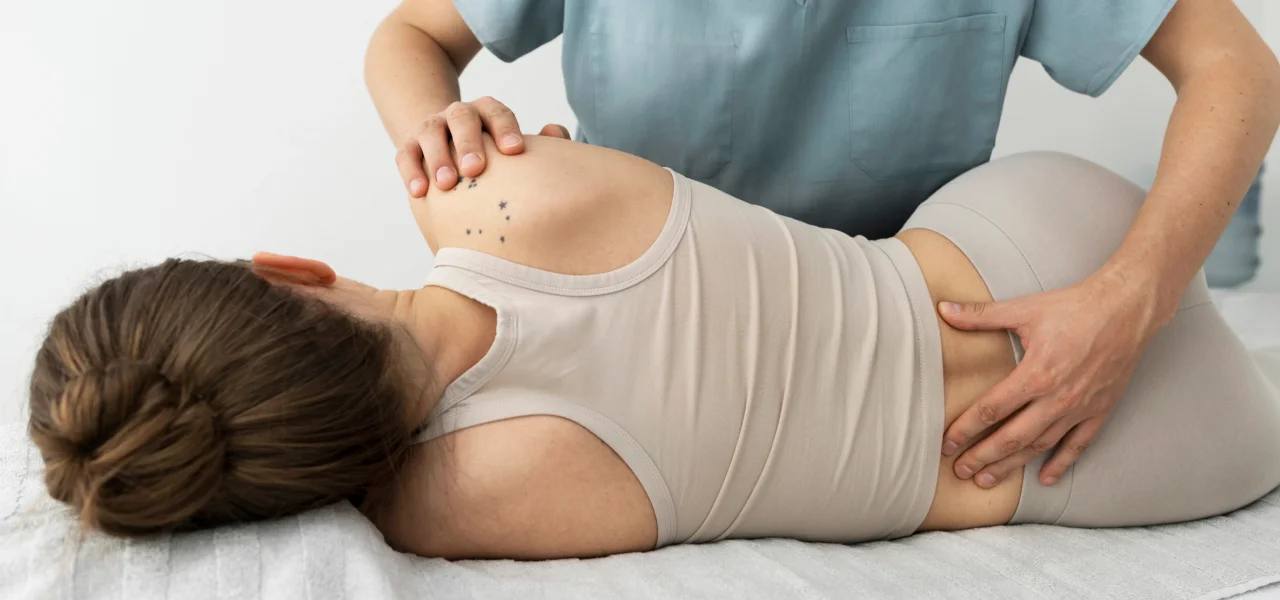
Musculoskeletal disordersconditions affecting muscles, bones, joints, and connective tissuescan cause pain, stiffness, and limited mobility. Whether its chronic back pain, repetitive strain injuries, or postural imbalances, these issues impact daily life and wellbeing.
Structural Integration (SI) is a specialized form of hands-on therapy that targets the bodys fasciathe connective tissue networkto help alleviate symptoms and restore proper function.
What Is Structural Integration?
Structural Integration focuses on releasing fascial restrictions and realigning the bodys structure to improve movement and reduce pain. It involves a series of sessions where trained practitioners apply slow, deep pressure and manual techniques to lengthen and balance connective tissues.
How Structural Integration Helps Musculoskeletal Disorders
1. Releasing Fascial Tightness
Fascia can become tight or stuck due to injury, overuse, or poor posture. SI works to gently loosen these areas, reducing tension and improving tissue flexibility.
2. Restoring Structural Alignment
Misalignments in the body can cause uneven stress on muscles and joints. SI realigns the body, promoting balanced weight distribution and reducing strain.
3. Improving Range of Motion
By addressing fascial and muscular restrictions, SI enhances joint mobility and muscle flexibility, helping you move more freely.
4. Reducing Pain and Inflammation
SIs deep tissue work improves circulation, supporting healing and decreasing inflammation associated with musculoskeletal disorders.
5. Enhancing Body Awareness
SI encourages mindfulness of posture and movement, empowering you to maintain healthy body mechanics and prevent future issues.
Conditions Commonly Treated with Structural Integration
Chronic back and neck pain
Postural imbalances
Repetitive strain injuries
Fibromyalgia and myofascial pain syndrome
Sports-related injuries
Arthritis-related stiffness
What to Expect During Treatment
SI is usually delivered over a series of sessions, each focusing on different body areas. Treatment is slow, methodical, and tailored to your needs, combining manual techniques with guidance on movement and posture.
Final Thoughts
Structural Integration offers a unique, holistic approach to managing musculoskeletal disorders by addressing the root causesfascial restrictions and structural imbalances. It helps restore balance, reduce pain, and improve function for a better quality of life.
If youre struggling with musculoskeletal issues, consider exploring Structural Integration as part of your healing journey.