The Role of Structural Integration in Treating Soft Tissue Injuries explores targeted strategies for recovery. Discover new paths to mobility, healing, and personalized care.

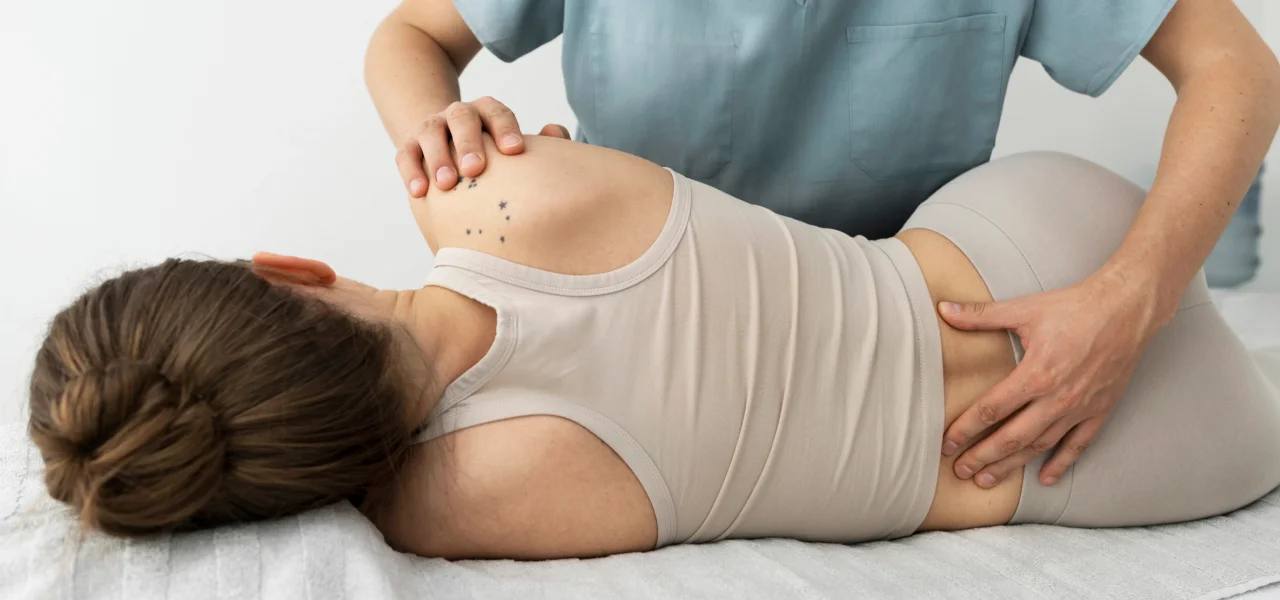
Soft tissue injuries, including strains, sprains, contusions, and tears, are common in both everyday activities and athletic endeavors. These injuries can involve muscles, ligaments, tendons, and fascia, often leading to pain, stiffness, reduced mobility, and in some cases, long-term dysfunction. Structural Integration (SI), also known as Rolfing, is a therapeutic technique that focuses on manipulating the bodys fasciathe connective tissue surrounding muscles, bones, and organsto treat and alleviate the effects of soft tissue injuries. By addressing the fascial system, SI helps improve flexibility, mobility, and overall body alignment, leading to faster recovery and enhanced healing of soft tissue injuries.
Heres how Structural Integration plays a key role in treating soft tissue injuries:
1. Releasing Fascial Restrictions
Fascia is a dense, web-like connective tissue that surrounds muscles, joints, and organs, providing structural support and enabling coordinated movement. After a soft tissue injury, the fascia can become tight, restrictive, or develop adhesions (scar tissue), which can impede movement and lead to chronic pain or discomfort. These restrictions can also affect the normal healing of the injured tissue.
Structural Integration helps release these fascial restrictions using techniques like myofascial release and deep tissue manipulation. By applying targeted pressure and stretching to the fascia, SI helps restore its natural flexibility and function. The release of fascial tension not only reduces pain and stiffness but also allows the muscles and joints to move more freely, aiding in the recovery process and preventing long-term dysfunction.
2. Promoting Healing and Tissue Repair
In the aftermath of a soft tissue injury, the bodys natural healing process is essential for recovery. However, tight or restricted fascia, as well as scar tissue buildup, can slow down this process by limiting blood flow and hindering the movement of the affected area. Structural Integration helps enhance circulation to the injured tissues by releasing restrictions and improving the mobility of the fascia and muscles.
By improving circulation, SI ensures that the tissues receive the oxygen and nutrients they need for proper healing. This enhanced blood flow also helps remove metabolic waste products and toxins from the injured area, reducing inflammation and promoting tissue repair. The improved movement and flexibility achieved through SI further accelerate the bodys natural healing process.
3. Restoring Joint Mobility and Function
Soft tissue injuries often affect not only the muscles and fascia but also the joints and surrounding tissues. For example, a sprained ankle can lead to restrictions in the surrounding muscles, fascia, and even the joints themselves. These restrictions can limit the joints range of motion, leading to stiffness and discomfort.
Structural Integration helps restore joint mobility by working on the fascia, muscles, and joints around the injured area. By improving the range of motion in the affected joint and releasing tension in the surrounding tissues, SI ensures that the joint functions optimally and without restriction. This improved mobility not only helps the injured area heal but also reduces the risk of future injuries and enhances overall movement efficiency.
4. Reducing Scar Tissue and Adhesions
Scar tissue is a natural part of the healing process following a soft tissue injury, but when it forms excessively or inappropriately, it can lead to restrictions, pain, and limited movement. Adhesions (abnormal connections between tissues) can form between muscles, fascia, and other tissues, causing stiffness and impeding the proper movement of the affected area.
Structural Integration uses deep tissue manipulation and myofascial release techniques to break down adhesions and reduce the buildup of scar tissue. By improving the elasticity of the fascia and muscles, SI allows for smoother, unrestricted movement and prevents the long-term effects of scar tissue that may cause chronic pain or stiffness.
5. Balancing Muscle Function and Coordination
After a soft tissue injury, muscle imbalances can develop as the body compensates for the injured area. For example, the muscles around an injured joint or muscle may become overactive, while others may become weak or underactive. These imbalances can result in inefficient movement patterns, which can cause further strain on the body and lead to additional injuries.
Structural Integration helps balance muscle function by addressing both tight and weak muscles around the injured area. Through techniques like muscle energy techniques, myofascial release, and manual stretching, SI releases overactive muscles and activates weaker muscles, promoting better coordination and alignment. By restoring balance to the muscles, SI improves overall body mechanics, reduces strain on the injured area, and helps prevent future injuries.
6. Enhancing Flexibility and Range of Motion
After a soft tissue injury, the affected area often becomes stiff and less flexible, leading to reduced movement and discomfort. This stiffness can hinder daily activities and sports performance, making it difficult to fully recover from the injury.
Structural Integration focuses on improving flexibility and range of motion by working on both the muscles and fascia surrounding the injured area. By releasing fascial restrictions and addressing muscle tension, SI restores the natural length and elasticity of the muscles, allowing for greater flexibility and joint mobility. This increased range of motion reduces the risk of future injuries and enhances functional movement, aiding in a faster and more complete recovery.
7. Alleviating Pain and Discomfort
Chronic pain resulting from soft tissue injuries is often caused by muscle tension, fascial restrictions, and poor body mechanics. When the body is out of alignment or muscles are overactive, pain and discomfort can become persistent, even long after the injury itself has healed.
Structural Integration helps alleviate pain by addressing the root causes of discomfort. By releasing fascial tension, realigning the body, and improving muscle function, SI reduces the strain on muscles, joints, and connective tissues. This pain reduction is often immediate and long-lasting, as it addresses the underlying factors contributing to discomfort, rather than simply masking the symptoms.
8. Improving Overall Body Function
While Structural Integration is focused on healing the soft tissue injury, it also takes into account how the entire body functions as an interconnected system. Often, soft tissue injuries can lead to compensations in other areas of the body, which can cause discomfort or further injury down the line.
SI works to restore overall body function by addressing postural imbalances, improving movement patterns, and ensuring that the body moves efficiently. By promoting better alignment and coordination, SI prevents the development of new injuries or pain caused by compensatory movements.
9. Preventing Future Soft Tissue Injuries
One of the most significant benefits of Structural Integration in treating soft tissue injuries is its ability to prevent future problems. By addressing the root causes of the injurysuch as poor posture, muscle imbalances, and fascial restrictionsSI helps reduce the likelihood of re-injury. It also supports long-term joint health, mobility, and flexibility.
Through corrective exercises, postural education, and ongoing bodywork, SI helps individuals maintain better body mechanics and prevent the recurrence of soft tissue injuries. This proactive approach supports lasting health and wellness, ensuring that the body remains resilient and free of pain.
Conclusion: Structural Integration in Treating Soft Tissue Injuries
Structural Integration is a highly effective approach to treating soft tissue injuries by addressing the fascial system, muscle imbalances, joint mobility, and overall alignment. By releasing fascial restrictions, promoting better circulation, enhancing flexibility, and balancing muscle function, SI supports the bodys natural healing process and reduces the risk of chronic pain or re-injury. Whether dealing with acute injuries, recovering from surgery, or managing long-standing discomfort, Structural Integration offers a comprehensive solution to accelerate healing, improve mobility, and restore overall function. Through its holistic approach, SI helps the body move more efficiently and recover from soft tissue injuries more effectively, promoting long-term health and wellness.