The Science Behind Dance Injuries and How Physiotherapy Can Help explores targeted strategies for recovery. Discover new paths to mobility, healing, and personalized care.

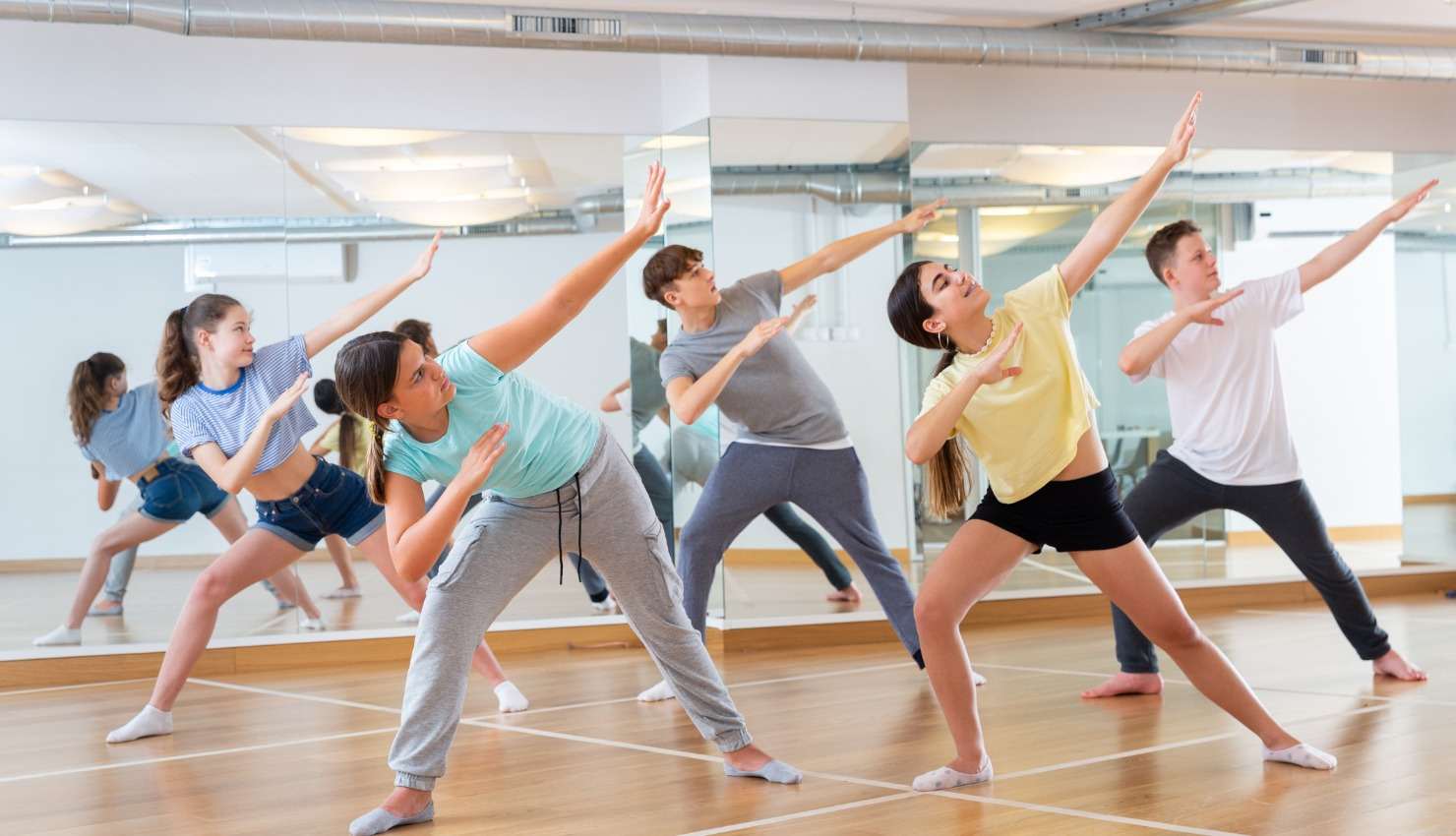
Dance is the perfect fusion of art and athleticism but behind its grace lies a high physical demand on the human body. Whether it’s ballet, contemporary, hip-hop, or ballroom, dancers often face intense training schedules, repetitive movements, and extreme physical requirements. Understanding the science behind dance injuries helps performers stay safer, and physiotherapy plays a vital role in both prevention and recovery.
?? What Causes Dance Injuries?
1. ?? Repetition and Overuse
Dancers often perform the same movements repeatedly, which can wear down muscles, tendons, and joints.
?? Common Result:
Tendinitis
Stress fractures
Muscle imbalances
2. ?? Biomechanical Imbalance
Poor technique, improper alignment, or anatomical variations (like flat feet or hypermobility) can create imbalanced loads on the body.
?? Common Result:
Knee tracking problems
Hip impingement
Chronic low back pain
3. ?? Inadequate Recovery
With long rehearsals and minimal rest, tissues dont get time to repair. Fatigued muscles lose coordination, increasing injury risk.
?? Common Result:
Ligament sprains
Joint instability
Generalized soreness or burnout
4. ?? Lack of Cross-Training
Dancers often focus only on dance-specific movements, neglecting strength and conditioning for muscles that support posture and control.
?? Common Result:
Core weakness
Poor joint stability
Reduced movement efficiency
?? Types of Dance Injuries and Their Scientific Roots
Injury Mechanism Common in
Ankle sprains Landing on a turned-in foot; overstretched ligaments Ballet, Contemporary, Jazz
Patellofemoral pain Misalignment of kneecap due to poor hip/knee control Ballet, Hip-Hop
Achilles tendinopathy Repetitive jumping and pointe work Ballet, Modern
Hamstring strains Explosive kicks or splits without sufficient warm-up Jazz, Contemporary
Labral tears Deep turnout and extreme hip range Ballet, Lyrical
?? How Physiotherapy Helps: Evidence-Based Interventions
? 1. Injury Diagnosis and Biomechanical Assessment
Physiotherapists assess joint alignment, muscle activation, and movement patterns to identify the root cause of pain or dysfunction.
?? They dont just treat the symptom they fix the mechanical issue behind it.
? 2. Manual Therapy and Soft Tissue Release
Techniques like myofascial release, joint mobilization, and massage reduce tension, restore mobility, and promote circulation.
?? Especially helpful for:
Muscle tightness
Nerve entrapments
Joint stiffness from overuse
? 3. Targeted Strengthening and Conditioning
Dancers benefit from exercises tailored to:
Core and pelvic stability
Hip-knee-ankle alignment
Shoulder and scapular control
Balance and proprioception
??? Physios build resilience in underused or weak muscle groups that prevent reinjury.
? 4. Neuromuscular Re-education
Using balance drills, plyometrics, and dynamic training, physiotherapists restore body awareness and correct poor movement habits.
?? Especially vital after:
Sprains
Dislocations
Fatigue-induced coordination loss
? 5. Injury Prevention Programs
Physiotherapists develop warm-up routines and cross-training schedules that:
Improve movement efficiency
Address anatomical limitations
Reduce repetitive strain
Examples include:
Theraband resistance work
Controlled stretching regimens
Dance-specific movement retraining
?? What Research Shows
A 2017 study in the Journal of Dance Medicine & Science showed that dancers who participated in structured physiotherapy programs had lower injury rates and improved joint stability.
Studies have proven that proprioceptive training significantly reduces ankle sprain recurrence in ballet dancers.
Regular physiotherapy assessments help detect asymmetries and minor dysfunctions before they become injuries.
?? Conclusion: Physiotherapy = Injury Science + Performance Art
Physiotherapy isnt just about healing its about applying biomechanics, neurology, and sports science to support the unique demands of dance. It empowers dancers to:
Understand their bodies
Move more efficiently
Recover more effectively
Perform with strength, control, and longevity