The Science Behind Osteopathy explores targeted strategies for recovery. Discover new paths to mobility, healing, and personalized care.

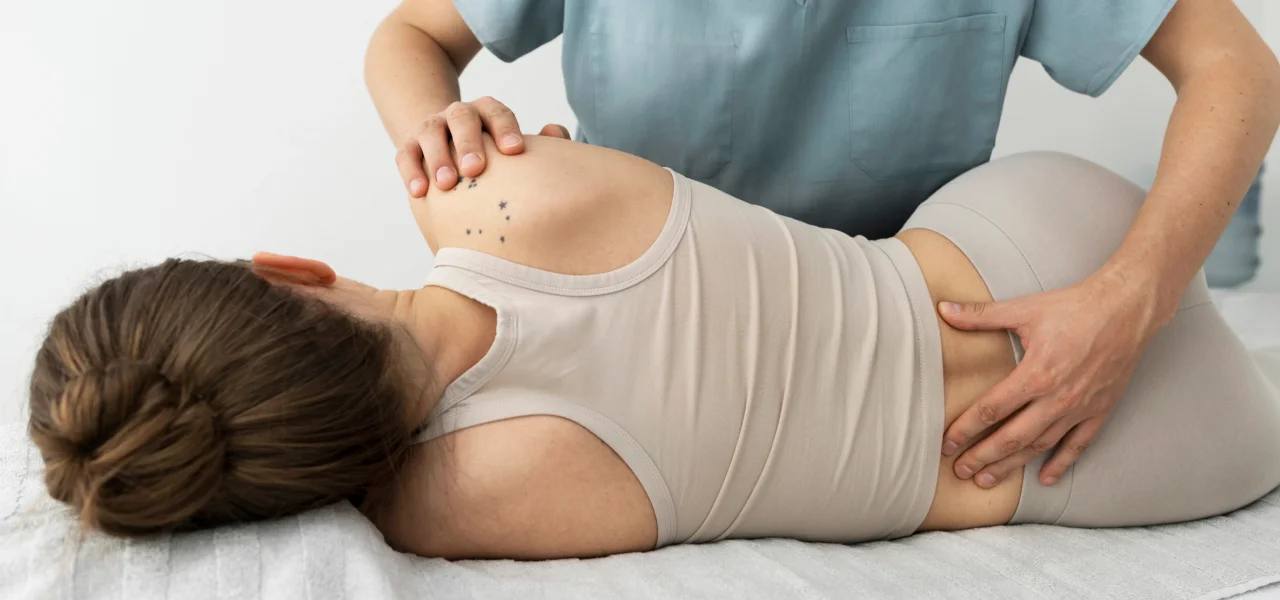
Osteopathy is often described as a holistic, hands-on approach to healthbut whats really happening beneath the surface? How does gentle manual therapy help your body heal itself?
Lets dive into the science behind osteopathy and discover how this natural therapy supports your bodys incredible ability to recover, restore balance, and thrive.
The Bodys Built-In Healing System
Your body is an amazing self-regulating machine, designed to heal and maintain balance (homeostasis). When you get injured or stressed, your body initiates a complex healing process involving:
Inflammation to protect and repair damaged tissue
Increased blood flow to deliver oxygen and nutrients
Activation of immune cells to fight infection and clear debris
Tissue regeneration and remodeling
However, when something disrupts this processlike chronic tension, misalignment, or poor circulationhealing can slow down or become incomplete.
How Osteopathy Supports This Healing Process
Osteopathy aims to remove barriers to your bodys natural healing by focusing on the musculoskeletal systemthe framework that supports your organs, nerves, and blood vessels.
Heres how it works:
1. Improving Circulation and Lymphatic Flow
Osteopathic techniques gently encourage blood and lymph flow, helping to deliver nutrients and oxygen while removing metabolic waste and toxins from tissues. This promotes faster, more efficient healing.
2. Releasing Muscular and Fascial Tension
Tight muscles and fascia (connective tissue) can restrict movement and compress blood vessels or nerves. Osteopathy uses soft tissue massage, stretching, and mobilization to relax these tissues, reducing pain and improving function.
3. Restoring Joint Mobility and Alignment
Misaligned joints can cause abnormal stress and inflammation. Osteopathic manipulation realigns joints and restores smooth movement, easing mechanical stress and allowing the body to heal without interference.
4. Balancing the Nervous System
The nervous system regulates healing and pain perception. Osteopathy helps calm the nervous system, reducing stress responses and improving communication between the brain and body for better regulation of healing processes.
5. Enhancing Respiratory Function
Breathing deeply helps oxygenate your blood and tissues. Osteopathic techniques improve diaphragm mobility and rib cage function, supporting more effective breathing and thus better oxygen delivery.
Evidence Supporting Osteopathy
While osteopathy has a long history rooted in clinical experience, modern research increasingly supports its benefits for conditions like:
Lower back pain
Neck pain
Headaches
Postural dysfunction
Some chronic pain conditions
Studies show osteopathic manipulative treatment can reduce pain, improve mobility, and enhance quality of lifeoften with fewer side effects than medication.
What This Means for You
Osteopathy isnt about quick fixes or masking symptomsits about helping your bodys natural healing mechanisms work better. By improving circulation, reducing tension, restoring alignment, and calming your nervous system, osteopathy creates the ideal environment for lasting recovery and health.
Final Thoughts
Your body knows how to healit just sometimes needs a little help to get out of its own way. Osteopathy offers a science-backed, hands-on way to support your bodys innate wisdom and capacity for healing.
Interested in learning how osteopathy can help you feel better, move easier, and live healthier? Reach out for a consultation today.