The Science of Structural Integration explores targeted strategies for recovery. Discover new paths to mobility, healing, and personalized care.

We all want to move through life with more easewhether that means being able to lift your kids without pain, run without stiffness, or just sit comfortably at your desk without slouching. But what if your body feels tight, misaligned, or like its constantly working against you? Thats where Structural Integration comes ina unique, science-backed approach to helping your body function at its very best.
Lets take a deeper look at what Structural Integration is, how it works, and why it just might be the key to unlocking your bodys full potential.
What Is Structural Integration?
Structural Integration (SI) is a type of bodywork that focuses on aligning the bodys structurebones, muscles, fasciain relation to gravity. It was developed by Dr. Ida Rolf, a biochemist who believed that when the body is out of alignment, it doesnt just move inefficientlyit also experiences more pain, fatigue, and dysfunction.
At the heart of Structural Integration is the fascia, a web-like connective tissue that surrounds every muscle, bone, organ, and nerve. When fascia becomes tight, tangled, or stuck (often due to injury, stress, or habitual movement), it pulls the body out of alignment. SI helps release those restrictions, allowing the body to return to a more balanced, functional state.
The Science Behind It: Fascia and Function
Fascia may be one of the most misunderstood parts of the bodybut it plays a huge role in how we feel and move. This connective tissue isnt just passive wrapping; its alive with nerves, responsive to stress, and incredibly adaptable.
Heres what the science tells us:
Fascial tightness can compress nerves, restrict blood flow, and limit range of motion.
Chronic tension patterns can distort posture and lead to pain elsewhere in the body.
Fascia holds memorymeaning old injuries or emotional stress can show up in your physical structure years later.
Structural Integration uses manual pressure and movement to reshape and reorganize this tissue, helping to relieve pain, improve posture, and restore fluid, effortless motion.
How It Unlocks Your Bodys Potential
You may not realize how much your fascia affects everything from how you breathe to how you walk. By releasing restrictions in the fascial system, Structural Integration can help:
? Improve Flexibility
Tight fascia limits motioneven if your muscles are strong. SI helps lengthen and free up tissue so you can move more fluidly and easily.
? Enhance Postural Alignment
SI helps re-stack the body so your head, shoulders, spine, and hips work together more efficiently. This means less strain on joints and musclesand better balance overall.
? Boost Athletic Performance
For athletes, dancers, and active individuals, SI can unlock a new level of movement efficiency, reduce injury risk, and enhance coordination and power.
? Reduce Chronic Pain
Many chronic pain issues stem from poor structural alignment. SI helps address the root causes, not just the symptoms.
? Increase Body Awareness
Structural Integration isnt just physicalits educational. Youll gain a deeper understanding of how you move and carry yourself, so you can make conscious changes that last.
What Does a Session Look Like?
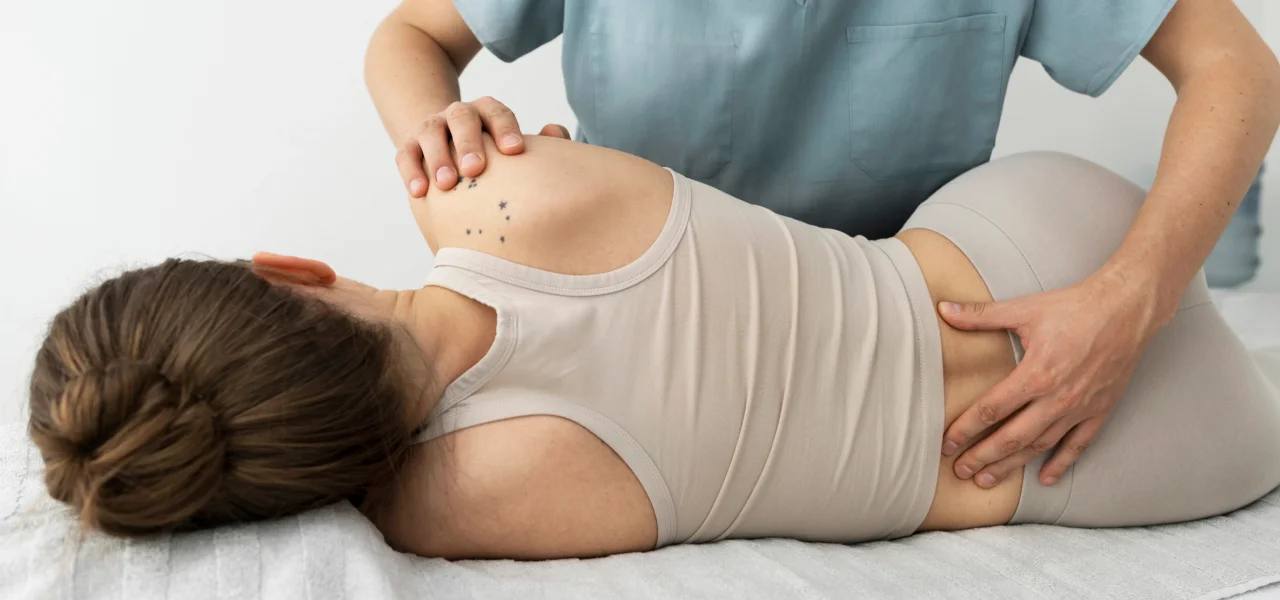
Typically, Structural Integration is offered in a series of sessions, often known as The 10 Series, where each session focuses on a different part of the body and builds on the last. Sessions are done on a massage table, and sometimes involve guided movement or breathwork.
Dont expect a spa massageSI can be intense at times, but its always purposeful. Most people report feeling lighter, taller, and more aligned after just a few sessions.
Who Should Try Structural Integration?
Structural Integration is for anyone who wants to feel more at home in their body, including:
Office workers with postural strain
Athletes looking to boost performance
People recovering from injury or surgery
Older adults wanting to maintain mobility
Anyone dealing with stiffness, tension, or unexplained discomfort
Its a proactive, whole-body approach that helps your body work better, not just feel better.
Final Thoughts: It’s About Function, Not Just Form
Structural Integration isnt about chasing symptomsits about helping your body move and function the way it was designed to. By restoring balance to your fascial system and posture, this powerful method helps unlock your bodys true potential.
Whether youre struggling with pain, feeling stiff and disconnected, or just want to move through life with more grace and freedom, Structural Integration offers a science-backed path toward lasting change.