The Top Benefits of Physiotherapy for Hip-Hop Dancers explores targeted strategies for recovery. Discover new paths to mobility, healing, and personalized care.

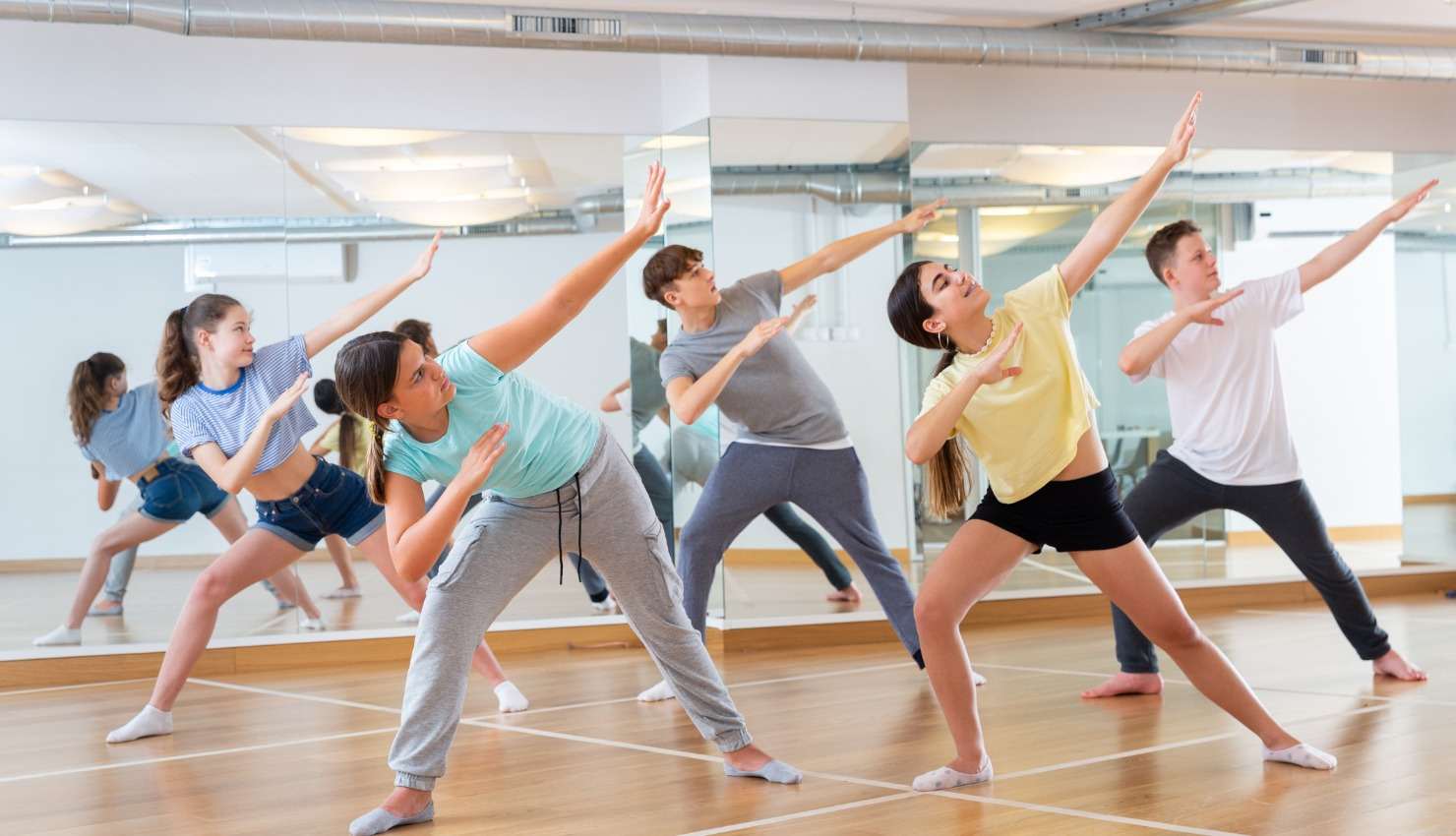
Hip-hop dance is high-energy, athletic, and often improvisational. It combines sharp isolations, deep squats, floorwork, flips, and explosive footworkall of which place intense demands on the body. These movements require strength, flexibility, agility, and control, and without proper care, dancers are at risk of injury or burnout.
Physiotherapy is a powerful tool for hip-hop dancersnot just for injury treatment, but for performance enhancement, prevention, and longevity. Lets break down how it supports hip-hop artists at every level.
?? 1. Injury Prevention
Hip-hop styles like breaking, krumping, and popping involve repetitive joint stress, impact, and asymmetrical movements.
Physiotherapists help dancers:
Identify and correct movement imbalances
Strengthen weak muscles (e.g., glutes, core, rotator cuff)
Improve mobility in hips, ankles, and spine
Guide dynamic warm-ups and cooldowns
? Common Injuries Prevented:
Knee strain from deep squats and jumps
Wrist and shoulder injuries from floorwork and freezes
Ankle sprains from quick directional changes
Hip impingement from extreme ranges of motion
?? 2. Faster Recovery from Intense Training
Hip-hop rehearsals and battles are often high-impact and long-duration, leading to soreness, fatigue, and microtraumas.
Physiotherapy offers:
Manual therapy (massage, myofascial release)
Recovery-focused exercises
Ice or heat therapy
Compression, taping, or cupping (as needed)
?? Why it matters: Keeps dancers fresh and reduces risk of overuse injuries.
?? 3. Movement Efficiency and Performance Boost
Hip-hop dancers need to hit moves hard without wasting energy. Physiotherapists analyze biomechanics to:
Improve joint alignment
Optimize balance and posture
Train better control in explosive movements (e.g., flips, freezes, power moves)
Reduce energy leaks during footwork or transitions
?? Result: You dance smarter, not harderpreserving stamina while maximizing impact.
?? 4. Functional Strength and Conditioning
Many hip-hop injuries stem from underprepared muscles handling dynamic loads.
Physiotherapists prescribe:
Plyometric drills for jump strength
Core and trunk stability work
Resistance band exercises for joint support
Functional agility training for directional control
? Focus on real-world movement, not just gym-based workouts.
?? 5. Flexibility and Joint Mobility
Hip-hop dance needs controlled flexibilityparticularly in:
Hips (for low squats and rotations)
Ankles (for grounding and balance)
Spine (for isolations and waves)
Shoulders (for arm swings and freezes)
Physiotherapy includes:
PNF stretching
Joint mobilizations
Active release techniques
Mobility circuits tailored to dance patterns
?? Why it helps: Expands safe range of motion and prevents strain.
?? 6. Support During Rehab from Injury
If you’re sidelined by injury, physiotherapy helps you:
Recover with a progressive plan
Stay active through cross-training
Regain strength and range of motion
Prevent re-injury when returning to the floor
? Example: Ankle rehab might involve balance work, resistance band strengthening, and plyo drills before returning to footwork routines.
?? 7. Longevity in a Demanding Style
Hip-hop may not follow classical structure, but its still a discipline that wears on the body over time. Regular physiotherapy supports:
Postural maintenance
Muscle balance
Energy recovery
Safe adaptation of movement as you age
?? Why it matters: You stay sharp, mobile, and pain-free in your 30s, 40s, and beyond.
?? Bonus: Physiotherapy Tips for Hip-Hop Dancers
Tip Why It Helps
Warm up with dynamic moves like leg swings and hip circles Preps joints for explosive actions
Use ankle/knee support during high-impact floorwork Reduces strain on joints
Stretch after every session Prevents tightness and cramping
Include core and glute strengthening 23x/week Supports stability and control
Dont ignore sorenesssee a physio early Early care prevents chronic issues