The Top Physiotherapy Exercises for Dance Recovery explores targeted strategies for recovery. Discover new paths to mobility, healing, and personalized care.

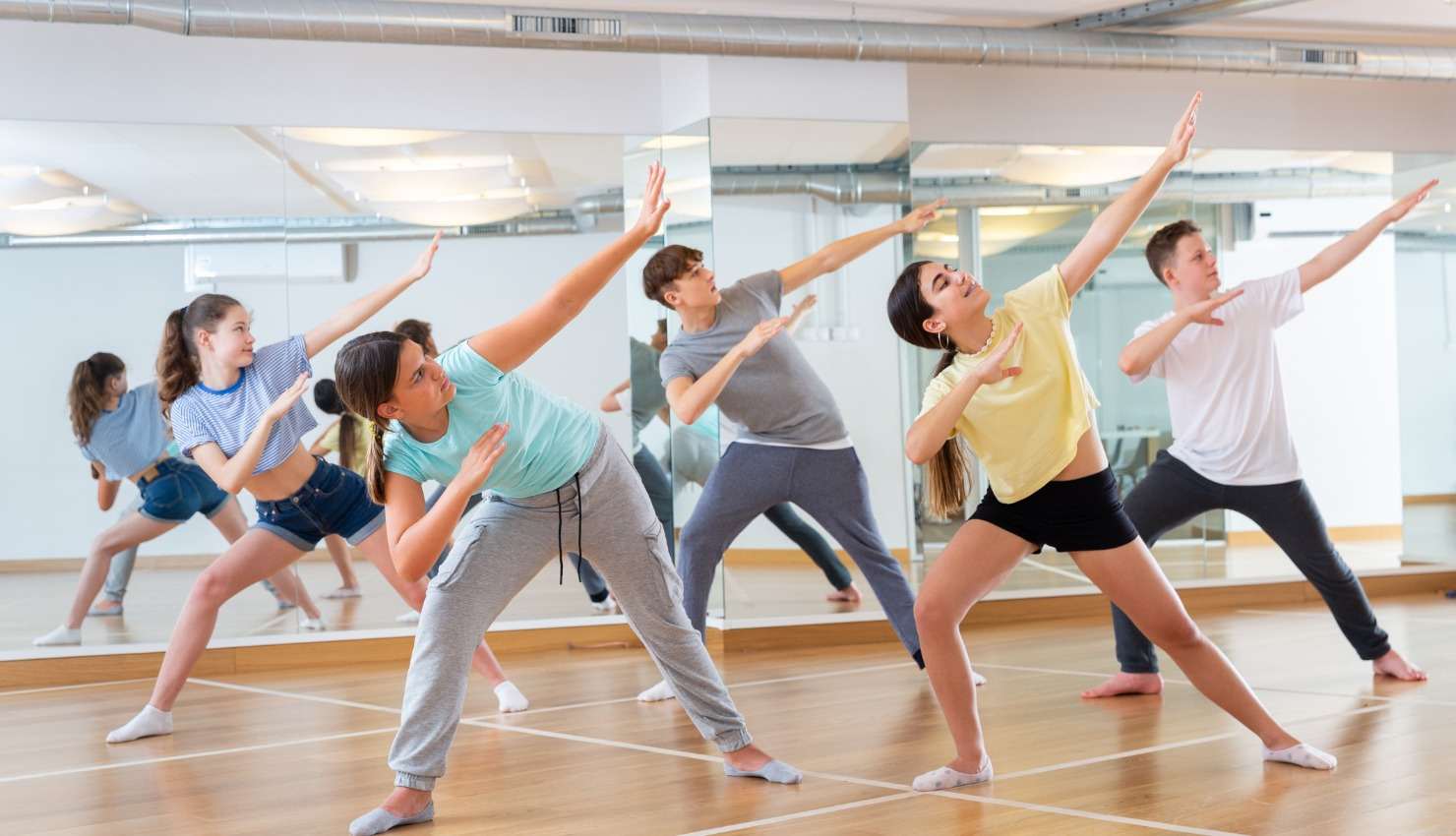
Dance is an art form that requires strength, flexibility, coordination, and endurance. However, these physical demands can sometimes lead to muscle strain, fatigue, and injuries. Whether you’re a professional dancer or someone who dances recreationally, recovery is essential to maintain peak performance and prevent long-term injuries. Physiotherapy plays a pivotal role in helping dancers recover effectively and return to the dance floor in optimal condition.
In this blog, we’ll explore the top physiotherapy exercises that can aid in dance recovery, focusing on flexibility, strength, and injury prevention.
Why Physiotherapy is Essential for Dance Recovery
Dancing places intense physical strain on the muscles, joints, and tendons. Over time, this can result in muscle fatigue, strains, sprains, and overuse injuries. Physiotherapy is crucial in helping dancers recover because it:
Reduces pain and inflammation
Restores mobility and flexibility
Improves muscle strength and endurance
Prevents re-injury
Enhances body awareness and posture
Physiotherapists use targeted exercises to address these issues, speeding up recovery, and enhancing a dancers overall performance.
Top Physiotherapy Exercises for Dance Recovery
Hamstring Stretch
The hamstrings are often overused in dance, particularly in movements such as kicks, jumps, and lunges. Tight hamstrings can lead to muscle strains and lower back pain.
How to do it:
Lie on your back with one leg extended straight.
Hold a towel, resistance band, or belt around the arch of your foot.
Gently pull your leg upward until you feel a stretch at the back of your thigh.
Hold for 20-30 seconds, then repeat on the other leg.
Benefits:
This stretch helps lengthen the hamstrings, improving flexibility and reducing tightness. Stretching the hamstrings can help prevent injuries and improve a dancer’s range of motion.
Hip Flexor Stretch
Dancers often experience tight hip flexors due to deep lunges, leaps, and squats. Tight hip flexors can cause lower back pain and limit mobility.
How to do it:
Start by kneeling on one knee with your other foot flat on the floor in front of you.
Shift your weight forward slightly, ensuring that your knee doesnt pass over your toes.
You should feel a stretch in the front of your hip.
Hold for 20-30 seconds and repeat on the other side.
Benefits:
This exercise helps loosen up tight hip flexors, improving hip mobility, reducing back pain, and allowing for better control in dynamic movements like jumps and high kicks.
Calf Raises
Strong calves are essential for dancers to execute movements like jumps, relevés, and standing poses. Weak calves can lead to instability, making it more difficult to balance and perform complex movements.
How to do it:
Stand with your feet shoulder-width apart, ensuring that your weight is distributed evenly.
Slowly raise your heels off the ground, standing on the balls of your feet.
Hold for a moment at the top, then slowly lower your heels back to the ground.
Repeat 15-20 times.
Benefits:
Calf raises strengthen the calf muscles and improve ankle stability, which is critical for maintaining balance and performing dynamic movements with control.
Glute Bridge
The glute bridge is an excellent exercise for strengthening the glutes, hamstrings, and lower back muscles. A strong posterior chain supports better posture, enhances jumps, and reduces the risk of injury.
How to do it:
Lie on your back with your knees bent and feet flat on the floor.
Engage your core and squeeze your glutes to lift your hips off the ground.
Hold the bridge position for 2-3 seconds, then lower your hips back to the floor.
Repeat 10-15 times.
Benefits:
This exercise targets the glutes and lower back, improving core stability and posture. It also supports movements like jumps and balancing poses by strengthening the muscles that control the lower body.
Planks
Planks are a great way to build core strength, which is essential for stability and posture during dance. A strong core prevents unnecessary strain on the back and helps maintain proper alignment during movements.
How to do it:
Start in a forearm plank position with your body in a straight line from your head to your heels.
Engage your core and hold the position for 20-30 seconds, gradually increasing the time as you get stronger.
Make sure to avoid letting your hips sag or lift during the exercise.
Benefits:
Planks engage the entire core, helping to stabilize the torso, protect the lower back, and improve overall balance and posture during dance.
Foam Rolling (Self-Myofascial Release)
Foam rolling is an effective way to release muscle tension, reduce soreness, and promote blood circulation. This technique helps break down adhesions in the muscles and fascia, enhancing flexibility and reducing tightness.
How to do it:
Position the foam roller on the floor and gently roll over the targeted muscle areas, such as the calves, quads, hamstrings, and lower back.
Apply gentle pressure and roll back and forth for 1-2 minutes per muscle group.
Benefits:
Foam rolling helps release tight muscles, improve circulation, and reduce muscle soreness. It is particularly useful after intense dance sessions to speed up recovery and prevent stiffness.
Lunges (Dynamic Stretching)
Lunges are a functional exercise that strengthens the hips, quads, and glutes while enhancing flexibility in the hip flexors and hamstrings. They are ideal for dancers who require flexibility and strength in their lower body.
How to do it:
Stand tall with your feet hip-width apart.
Step forward with one leg into a lunge position, ensuring that your knee doesnt extend past your toes.
Push off your front leg to return to the starting position.
Repeat 10-15 lunges on each leg.
Benefits:
Lunges strengthen the lower body and enhance flexibility in the hip flexors and hamstrings. This exercise also improves balance and coordination, both essential for executing dance moves with fluidity.
Side-Lying Leg Raises
Side-lying leg raises target the hip abductors, particularly the gluteus medius, which plays a key role in maintaining balance during one-legged movements. Strengthening these muscles helps prevent falls and enhances control during dance.
How to do it:
Lie on your side with your legs straight and your head resting on your arm.
Slowly lift your top leg toward the ceiling, keeping your body still.
Hold for a moment, then lower your leg back down.
Repeat 15-20 times on each side.
Benefits:
This exercise strengthens the hip abductors, which improves lateral stability and balance. It is especially beneficial for dancers who perform movements requiring balance on one leg, such as pirouettes or arabesques.
Conclusion
Incorporating physiotherapy exercises into your dance recovery routine is essential for maintaining performance, preventing injuries, and building strength. By focusing on flexibility, strength, balance, and injury prevention, these exercises can help you return to dancing with more resilience, improved mobility, and reduced risk of injury.
Remember, recovery is just as important as training in dance. So, take the time to incorporate these physiotherapy exercises into your routine, and you’ll enhance your dance performance and longevity. Whether youre recovering from an injury or simply looking to improve your overall fitness, these exercises provide the foundation for a strong and healthy dance body.