Set Up Your Desk Ergonomically A poor setup is one of the leading causes of neck, back, and wrist pain.

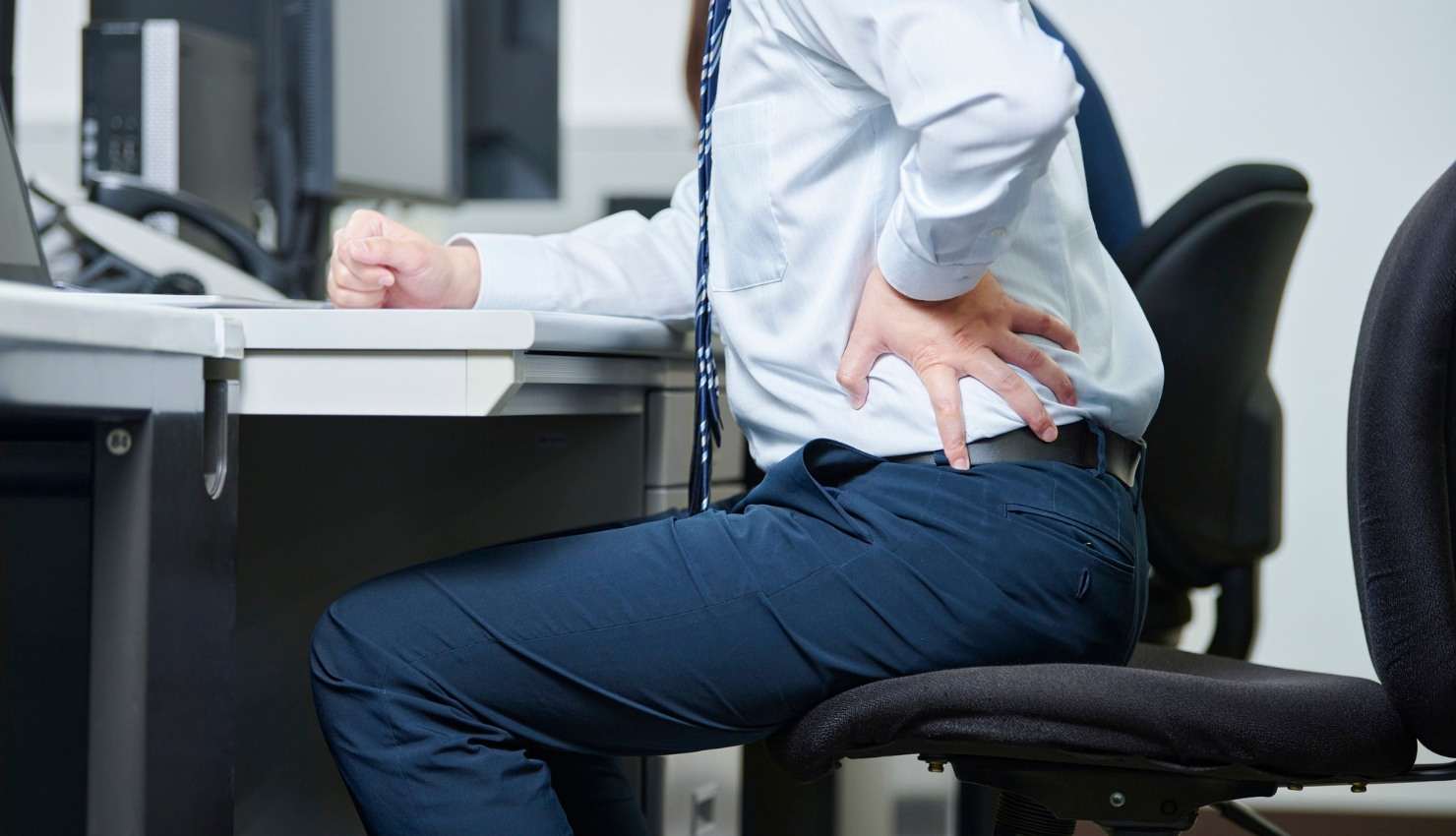
Set Up Your Desk Ergonomically
A poor setup is one of the leading causes of neck, back, and wrist pain.
Physiotherapy-backed desk setup basics:
Chair: Adjustable, with lumbar support
Feet: Flat on the floor or on a footrest
Hips & knees: At 90°, or hips slightly higher
Monitor: Top of screen at eye level, about an arms length away
Keyboard & mouse: Elbows at 90°, wrists flat, close to your body
?? Use cushions, books, or boxes to adapt your setup if needed.
?? 2. Move Every 3060 Minutes
Even perfect posture causes strain if you hold it too long.
Try the 30:30 rule:
Every 30 minutes, move for 3060 seconds
Stretch, stand, walk, or do a few squats
?? Use reminders or apps like Stretchly or Pomofocus.
????? 3. Stretch the Muscles Most Affected by Sitting
Sitting tightens certain muscles and weakens others.
Stretch these daily:
Neck and upper traps
Chest (pectorals)
Hip flexors
Hamstrings and calves
Wrists and forearms
? Hold each stretch for 2030 seconds, 23 times per day.
?? 4. Strengthen Core and Postural Muscles
Posture isnt just a position its a muscle habit.
Target these areas:
Deep core (planks, dead bugs)
Upper back (rows, wall angels)
Glutes (bridges, clamshells)
Shoulders & neck stabilizers (chin tucks, band pull-aparts)
??? Just 1015 minutes a day makes a big difference.
?? 5. Avoid Common Setup Mistakes
Watch for:
Laptop too low ? causes tech neck
No back support ? leads to slouching
Mouse too far away ? strains shoulder
Sitting on the couch or bed ? poor spinal alignment
?? Awareness is step one prevention is step two.
??? 6. Protect Against Repetitive Strain Injuries (RSIs)
Typing and mouse use can lead to wrist, hand, and shoulder pain.
Prevent RSIs with:
Ergonomic mouse/keyboard (or wrist supports)
Neutral wrist position
Taking microbreaks to stretch hands and arms
Using keyboard shortcuts to reduce mouse use
?? If you feel tingling or pain, adjust your posture or gear immediately.
?? 7. Create a Comfortable, Calm Work Environment
Your body responds to your space.
Simple upgrades:
Proper lighting to avoid eye strain
Noise control to reduce tension
Room to stretch during breaks
Greenery or a window view to support relaxation
?? Mental tension often turns into physical pain.
?? 8. Listen to Your Body Early
Don’t ignore warning signs like:
Stiffness that worsens through the day
Headaches or eye strain
Numbness or tingling in hands or feet
Recurring shoulder or neck tension
?? Early action = faster recovery.
?? Quick Daily Pain-Prevention Routine
Morning:
510 min posture reset (cat-cow, chest opener, neck rolls)
During work:
Move every 3060 minutes
Switch between sitting and standing if possible
Evening:
510 min stretching (hip flexors, back, shoulders)
Foam roll or do gentle mobility drills