Prioritize Posture Sit with your feet flat, knees at 90 degrees, and your spine upright. Keep your ears in line with your shoulders and avoid slouching forward. Good posture reduces strain on your spine and muscles.

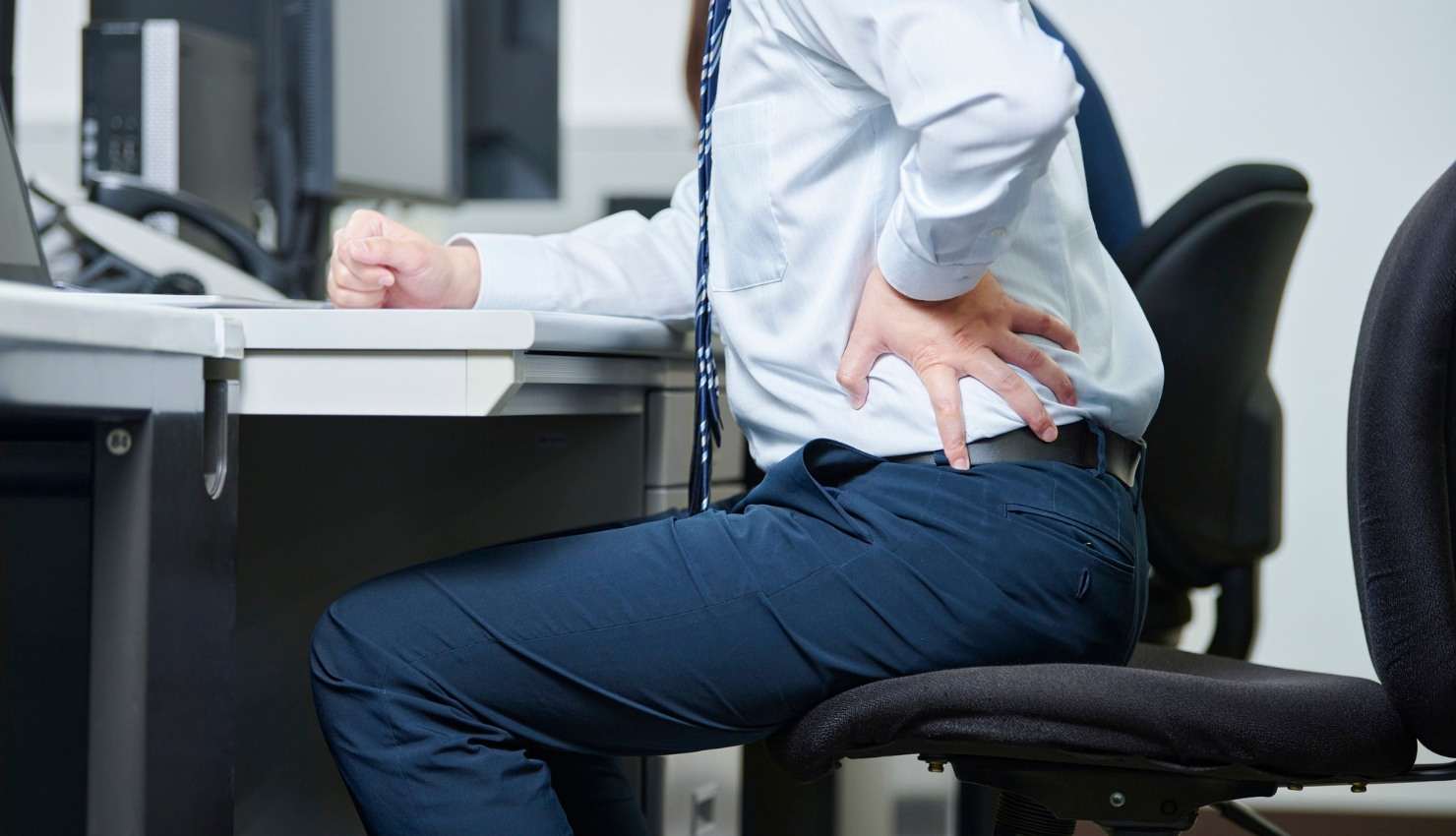
Prioritize Posture
Sit with your feet flat, knees at 90 degrees, and your spine upright. Keep your ears in line with your shoulders and avoid slouching forward. Good posture reduces strain on your spine and muscles.
2. Create an Ergonomic Workspace
Set up your workstation so your screen is at eye level, your keyboard is elbow-height, and your chair supports your lower back. A poor setup can quickly lead to neck, back, and wrist pain.
3. Move Every 3060 Minutes
Take short movement breaks throughout the day. A few minutes of walking, stretching, or posture resets can prevent stiffness and reduce fatigue.
4. Try Desk Exercises
Incorporate simple physiotherapy-based exercises like:
Shoulder rolls
Neck stretches
Seated spinal twists
These help relieve muscle tension and improve circulation.
5. Strengthen Your Core
A strong core supports your spine and improves posture. Try:
Planks
Bridges
Bird-dog exercises
These can be done with no equipment, right at home.
6. Stretch Regularly
Include a few full-body stretches in your daily routine, especially for:
Hip flexors
Hamstrings
Chest and shoulders
These areas often tighten during long hours of sitting.
7. Use Supportive Props
Use a lumbar cushion, footrest, or laptop stand to maintain good alignment. Small props can make a big difference in reducing strain.
8. Stay Hydrated
Drink water consistently throughout the day. Hydration supports disc health and joint functionand gives you a reason to stand up more often!
9. Manage Stress Physically
Stress affects your body, especially the neck, shoulders, and jaw. Practice:
Deep breathing
Gentle yoga
Progressive muscle relaxation
to reduce physical tension.
10. Consult a Physiotherapist
Dont wait for pain to become chronic. A physiotherapist can assess your posture, recommend corrective exercises, and help you personalize a plan to stay comfortable while working remotelyeither in-person or via telehealth.
Takeaway
Remote work doesnt have to be hard on your body. These physiotherapy tips can help you stay mobile, productive, and pain-free from the comfort of home. With regular movement and small changes, you can build a sustainable and healthy work-from-home lifestyle.