Treating and Preventing Groin Injuries in Athletes with Physiotherapy explores targeted strategies for recovery. Discover new paths to mobility, healing, and personalized care.

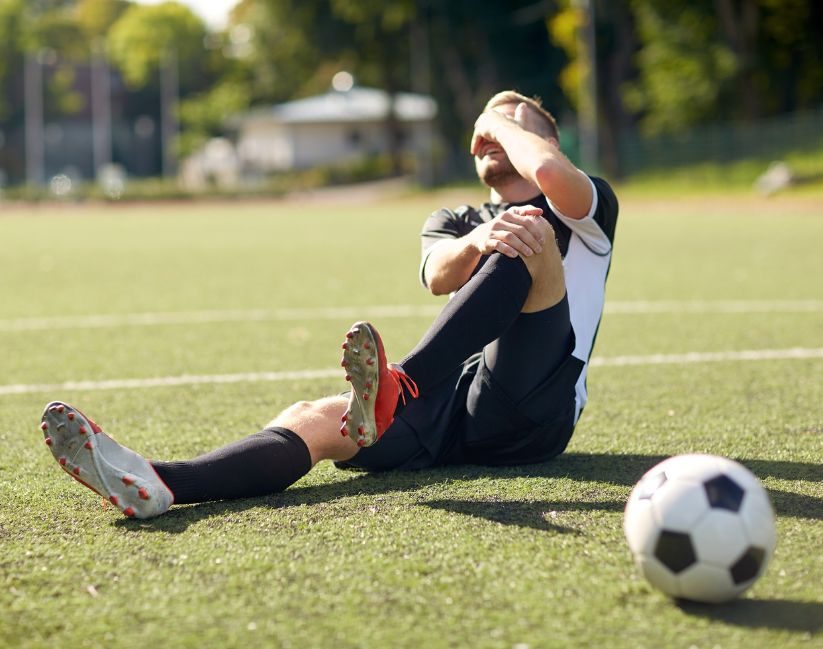
Groin injuries are a common and frustrating challenge for athletes across many sportsfrom soccer and hockey to running and basketball. These injuries can significantly hamper performance and sideline athletes for weeks or even months if not properly managed. Fortunately, physiotherapy offers highly effective treatment and prevention strategies tailored specifically to the demands of athletic activities.
In this comprehensive blog, well explore how physiotherapy treats groin injuries, why early intervention matters, and how custom rehab and preventative plans help athletes get back to peak condition faster and avoid recurrence.
Understanding Groin Injuries in Athletes
The groin area comprises a complex group of muscles, tendons, and ligaments responsible for hip flexion, adduction (bringing legs toward the midline), and stabilization during rapid movements. Common groin injuries include muscle strains, tendonitis, and sometimes hernias.
Groin strains happen when these muscles are overstretched or torn, often due to sudden directional changes, explosive movements, or inadequate warm-up. Symptoms can range from mild discomfort to sharp pain and weakness.
Why Groin Injuries Can Be Challenging for Athletes
Complex Anatomy: Multiple muscles (adductors, iliopsoas, rectus femoris) work together in this region, making diagnosis and treatment complex.
High Demand Area: The groin is heavily used in many sports involving running, cutting, and kicking.
Risk of Re-injury: Without proper rehab, groin injuries have a high recurrence rate due to premature return or insufficient strengthening.
Impact on Performance: Pain and reduced mobility affect running speed, agility, and overall athletic ability.
How Physiotherapy Treats Groin Injuries
Accurate Assessment and Diagnosis
Physiotherapists conduct thorough assessments involving physical exams, movement analysis, and sometimes imaging referrals. Pinpointing the exact injury source is critical for effective treatment.
Pain and Inflammation Management
Early-stage treatment focuses on reducing pain and swelling using manual therapy, ice application, and gentle mobilization.
Restoring Range of Motion
Controlled stretching and mobilization help regain hip and groin flexibility without overstressing injured tissues.
Progressive Strengthening
Strengthening exercises target the adductor group and supporting muscles like the glutes and core. This helps stabilize the pelvis and improve load distribution.
Neuromuscular and Functional Training
Exercises that mimic sport-specific movements are introduced gradually to restore coordination, balance, and power.
Education and Load Management
Athletes receive guidance on training modifications, warm-up routines, and recovery to prevent overload.
Preventing Groin Injuries with Physiotherapy
Prevention is key for athletes who rely on explosive lower-body movements. Physiotherapy preventive strategies include:
Individualized Strength Programs: Targeted exercises to balance hip adductor and abductor strength reduce injury risk.
Flexibility and Mobility Training: Regular stretching keeps muscles supple and ready for rapid movement.
Movement Pattern Correction: Gait and movement analysis help identify biomechanical faults that increase groin strain risk.
Warm-Up Optimization: Dynamic warm-ups prepare muscles and joints for high-intensity activity.
Ongoing Screening: Regular physiotherapy check-ups catch early signs of tightness or weakness before injury occurs.
The Role of Sports-Specific Therapy in Groin Injury Recovery
Groin injuries require rehabilitation that respects the unique demands of each sport. A basketball players rehab differs from a soccer players, especially regarding movement patterns and intensity. Sports-specific therapy ensures that:
Recovery exercises align with typical sports movements.
Return-to-play criteria consider performance readiness, not just pain levels.
Athletes rebuild confidence in their injured area to prevent hesitation or altered mechanics that can cause secondary injuries.
Real-Life Impact: Athlete Success Stories
Many athletes have turned their careers around with physiotherapy-led groin injury rehab. For example, a professional soccer player with a chronic adductor strain was able to return to full competition after eight weeks of focused strengthening, flexibility work, and gait correction.
Similarly, a collegiate hockey player reduced injury downtime and improved on-ice performance after a custom prevention plan focusing on hip stabilization and core strength.
Why Choose Physiotherapy for Groin Injuries?
Personalized Care: Tailored treatments address specific injury causes.
Safe, Non-Surgical Approach: Many groin injuries heal well with conservative care.
Comprehensive Rehab: From pain relief to performance optimization.
Long-Term Injury Prevention: Reducing chances of recurrence and promoting athletic longevity.
Final Thoughts
Groin injuries dont have to be career setbacks. With expert physiotherapy treatment and prevention strategies, athletes can not only recover fully but come back stronger and more resilient. Early intervention, personalized rehab, and ongoing conditioning are the cornerstones of successful groin injury management.
If youre an athlete struggling with groin pain or want to prevent injuries, consulting a physiotherapist experienced in sports therapy can make all the difference in your training and performance.