Treating and Preventing Hip Labral Tears with Targeted Physiotherapy explores targeted strategies for recovery. Discover new paths to mobility, healing, and personalized care.

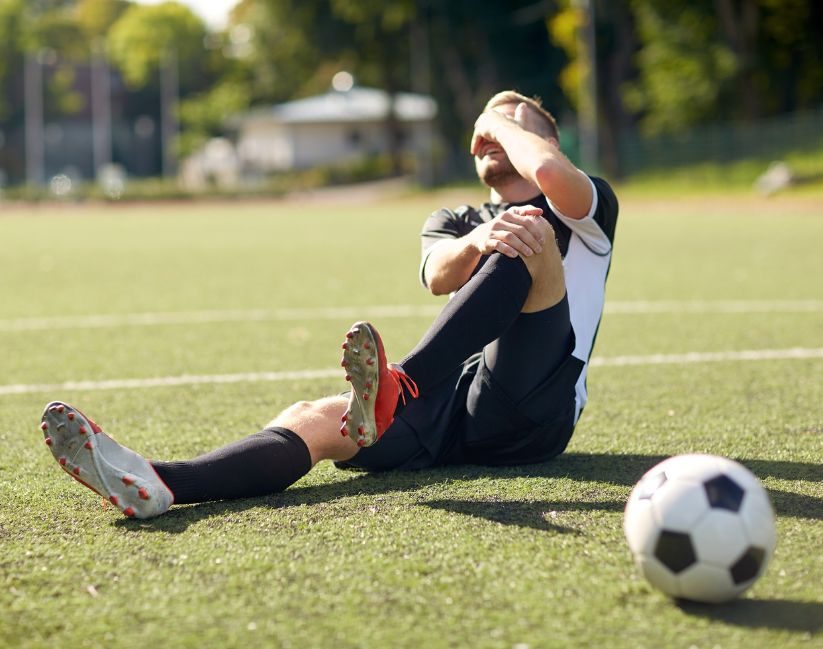
Hip labral tears are increasingly common injuries, especially among active individuals and athletes who rely heavily on hip mobility and strength. This injury, if left untreated or poorly managed, can severely limit your movement and cause chronic pain, affecting everyday activities and athletic performance. The good news? Targeted physiotherapy is one of the most effective ways to both treat and prevent hip labral tears.
At YourFormsUX, we specialize in customized physiotherapy programs that help patients recover faster and reduce their risk of reinjury. In this blog, well dive deep into what hip labral tears are, how they happen, and why physiotherapy should be your first choice for treatment and prevention.
Understanding Hip Labral Tears: What You Need to Know
The hip joint is a ball-and-socket joint, with the ball being the femoral head (top of your thigh bone) and the socket being the acetabulum of the pelvis. Surrounding the rim of the socket is the labruma ring of tough, flexible cartilage that cushions and stabilizes the joint. The labrum seals the hip joint and helps maintain smooth, pain-free motion.
A tear in this labrum can result from various causes:
Trauma: Sudden injuries such as falls or car accidents.
Repetitive movements: Common in athletes, dancers, or anyone doing lots of twisting and pivoting.
Structural abnormalities: Conditions like hip impingement (FAI) where abnormal bone shapes cause repeated contact and damage to the labrum.
Degeneration: Wear and tear over time, especially in older adults.
Symptoms of a hip labral tear often include deep groin pain, clicking or locking sensations, stiffness, and reduced range of motion. These symptoms can severely impact daily activities such as walking, running, or even sitting comfortably.
Why Targeted Physiotherapy is Essential for Treatment
The hip is a complex joint that relies on a delicate balance of muscles, tendons, and ligaments to function optimally. When the labrum tears, this balance is disrupted, leading to instability and pain. While surgery might be necessary for severe cases, most patients benefit immensely from a conservative, physiotherapy-led approach.
Heres why targeted physiotherapy is the gold standard for treating hip labral tears:
Pain Management and Inflammation Reduction: Through manual therapy, modalities such as ultrasound, and therapeutic exercises, physiotherapy helps reduce pain and inflammation without over-reliance on medications.
Restoring Mobility: Hip labral tears often cause stiffness, limiting your ability to move freely. Physiotherapy techniques focus on improving joint range of motion safely, ensuring the hip doesnt become too rigid.
Strengthening Key Muscles: Weakness around the hip, especially in the gluteal muscles and deep hip rotators, contributes to joint instability. Targeted strengthening exercises restore muscular support to the hip, reducing strain on the labrum.
Correcting Biomechanics: Many labral tears are caused or worsened by poor movement patterns. Physiotherapists analyze how you walk, run, and move to identify faulty mechanics and then guide you through corrective exercises.
Customized Rehabilitation Plans: Every patients injury and lifestyle are unique. Physiotherapists at YourFormsUX design personalized programs focusing on your specific symptoms, fitness level, and goals.
Common Physiotherapy Interventions for Hip Labral Tears
Manual Therapy: Hands-on treatment to mobilize the hip joint and surrounding soft tissues. This reduces pain and improves mobility.
Therapeutic Exercises: Progressively challenging exercises aimed at strengthening hip stabilizers such as the gluteus medius and minimus.
Neuromuscular Re-education: Teaching your muscles to coordinate better for joint protection.
Core Stability Training: A strong core reduces excessive load on the hips and improves pelvic alignment.
Activity Modification Guidance: Advice on how to safely return to your sport or daily activities while minimizing risk of aggravating the tear.
Preventing Hip Labral Tears: The Proactive Role of Physiotherapy
Prevention is critical, especially if youre an athlete or someone prone to repetitive hip stress. Physiotherapy helps prevent labral tears by addressing key risk factors before injury occurs.
Muscle Imbalance Correction: Tight or weak muscles around the hip can place uneven pressure on the joint. Physiotherapy balances strength and flexibility to create a stable environment for the labrum.
Movement Pattern Optimization: Learning to move efficiently reduces harmful joint forces.
Education on Proper Warm-ups and Cool-downs: These essential routines prepare your body for activity and aid recovery.
Targeted Conditioning: Strengthening hip muscles to handle the specific demands of your sport or daily activities.
Why YourFormsUX is the Ideal Physiotherapy Partner in Canada
At YourFormsUX, were committed to helping you regain your active lifestyle without pain or limitations. Our experienced physiotherapists use the latest evidence-based techniques combined with personalized care to treat hip labral tears effectively.
We offer flexible appointments, thorough assessments, and continuous progress tracking to ensure your recovery stays on course. Whether youre an elite athlete or simply someone who wants to move pain-free, YourFormsUX is here to guide you every step of the way.