Treating Knee Pain from Sports Injuries with Physiotherapy explores targeted strategies for recovery. Discover new paths to mobility, healing, and personalized care.

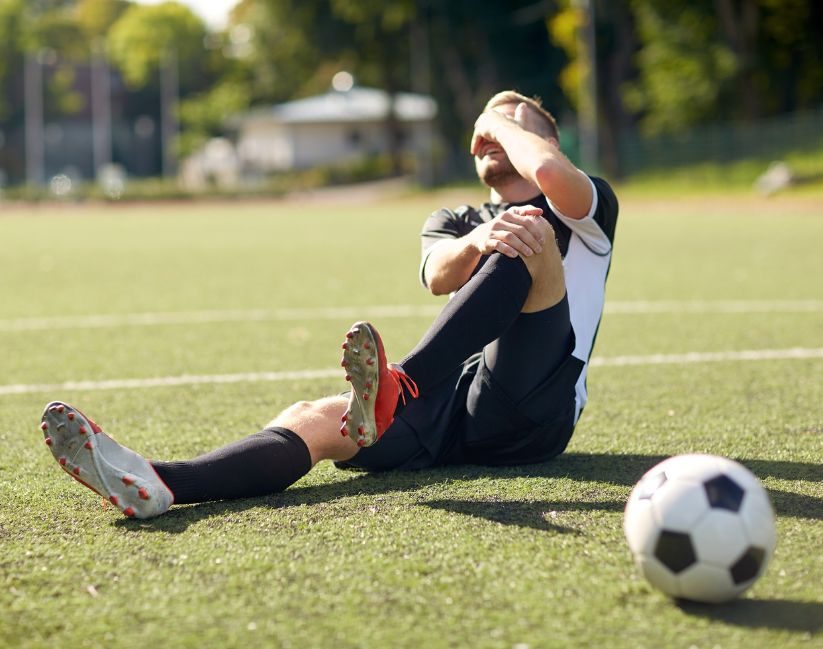
Knee pain is one of the most common and frustrating issues athletes face, regardless of their sport or level of play. From weekend warriors to professional athletes, knee discomfort can significantly impact performance, training consistency, and even daily life activities. Understanding how to treat knee pain effectively is crucial for a speedy recovery and to prevent chronic problems. Physiotherapy has emerged as a gold-standard approach in treating knee injuries by focusing on personalized rehabilitation that restores strength, flexibility, and function while minimizing downtime.
In this comprehensive blog, we will explore why knee pain is so prevalent in sports, common types of knee injuries, how physiotherapy treats these conditions, and why it should be an integral part of your recovery and injury prevention plan.
Why Is Knee Pain So Common Among Athletes?
The knee is a complex hinge joint that supports your entire body weight and enables a wide range of movements essential in sports such as running, jumping, twisting, and sudden directional changes. Because it absorbs high impact and undergoes repetitive stress, the knee is prone to both acute injuries and chronic wear-and-tear conditions.
Sports that involve running, quick pivots, jumping, and heavy impactsuch as soccer, basketball, volleyball, skiing, and runningplace immense strain on the knee joint. Inadequate conditioning, improper technique, muscle imbalances, or previous injuries further increase the risk of knee pain.
Common Knee Injuries in Sports
Understanding the types of knee injuries common in athletes can help identify symptoms early and seek appropriate treatment.
Anterior Cruciate Ligament (ACL) Injuries
The ACL is a crucial ligament that stabilizes the knee during twisting and pivoting movements. ACL tears or sprains often occur during sudden stops, changes in direction, or awkward landings. ACL injuries can sideline athletes for months and often require intensive rehabilitation or surgery.
Meniscus Tears
The meniscus is cartilage that cushions the knee joint. Twisting motions or forceful impacts can cause tears, leading to pain, swelling, and limited movement.
Patellar Tendinitis (Jumpers Knee)
This condition involves inflammation of the tendon connecting the kneecap (patella) to the shinbone. Its common in sports requiring repetitive jumping and can cause pain during activity and at rest.
Patellofemoral Pain Syndrome (Runners Knee)
Characterized by pain around or behind the kneecap, this syndrome is often related to overuse, improper tracking of the kneecap, or muscle imbalances.
Bursitis
Inflammation of the bursae (small fluid-filled sacs) around the knee causes swelling and tenderness. It can result from repetitive kneeling or trauma.
Iliotibial (IT) Band Syndrome
The IT band runs along the outside of the thigh and can become tight or inflamed, causing pain on the outer kneecommon in runners and cyclists.
How Physiotherapy Treats Knee Pain from Sports Injuries
Physiotherapy takes a multi-faceted, personalized approach to treating knee pain, focusing on healing, restoring function, and preventing recurrence.
1. Comprehensive Initial Assessment
Physiotherapists conduct a detailed evaluation of your knee, including range of motion, strength testing, joint stability, and functional movement analysis. They also assess gait and posture to identify biomechanical factors contributing to your injury.
2. Pain and Inflammation Management
Early stages often involve managing pain and swelling through manual therapy, ice therapy, ultrasound, or electrotherapy modalities to create a comfortable foundation for rehabilitation.
3. Targeted Strengthening Exercises
Weakness in muscles surrounding the knee, especially the quadriceps, hamstrings, and hip muscles, can increase joint stress. Physiotherapists design progressive strength training programs to rebuild these muscles, supporting joint stability and function.
4. Flexibility and Mobility Restoration
Tight muscles and stiff joints limit knee movement and increase injury risk. Stretching routines and joint mobilizations improve flexibility and range of motion, enhancing movement quality.
5. Neuromuscular Re-education and Balance Training
Injuries often disrupt proprioceptionyour bodys awareness of joint position. Balance and coordination exercises retrain the nervous system to improve knee stability during dynamic sports movements, reducing the risk of re-injury.
6. Gradual Return-to-Sport Programming
Once strength and mobility improve, physiotherapists develop sport-specific return-to-play protocols. These involve functional drills that mimic your sports demands, progressively increasing intensity to ensure a safe and confident return.
Why Is Physiotherapy So Effective for Knee Injuries?
Personalized Care: Every knee injury is different. Physiotherapy tailors treatment plans to your unique condition, goals, and sport-specific demands.
Non-Surgical Option: Many knee injuries respond well to conservative care, avoiding surgery or speeding post-surgical recovery.
Long-Term Prevention: By addressing biomechanical faults, muscle imbalances, and flexibility, physiotherapy reduces the likelihood of recurrent injuries.
Functional Improvement: It doesnt just focus on pain relief but on restoring full function to improve athletic performance and quality of life.
Additional Tips to Support Your Knee Recovery
Maintain a Healthy Weight: Reducing excess body weight decreases stress on the knee joint.
Use Proper Footwear: Supportive shoes help maintain proper alignment and absorb shock.
Warm-Up and Cool-Down: Always prepare your muscles before exercise and stretch afterward to maintain flexibility.
Listen to Your Body: Avoid pushing through pain and seek professional advice when discomfort persists.
How YourFormsUX Supports Knee Injury Rehabilitation in Canada
At YourFormsUX, we specialize in sports physiotherapy that caters to the unique needs of athletes recovering from knee injuries. Our experienced physiotherapists work closely with you to develop individualized treatment plans using the latest evidence-based techniques and technology.
From the initial assessment to advanced rehabilitation and return-to-sport training, YourFormsUX is committed to helping Canadian athletes recover stronger and perform better.
Final Thoughts
Knee pain from sports injuries can be challenging, but it doesnt have to end your athletic journey. With dedicated physiotherapy, you can recover fully, rebuild strength, improve mobility, and prevent future injuries. The road to healing is a step-by-step process that requires professional guidance, patience, and commitment.
If knee pain is limiting your performance or daily activities, consider physiotherapy as your trusted partner in recovery. At YourFormsUX, were here to help you get back on track, stronger and more resilient than ever.