A fractured bone is more than just a break its a full interruption to your mobility, comfort, and daily life. And while the bone itself needs time to heal, what happens around the fracture is just as important.

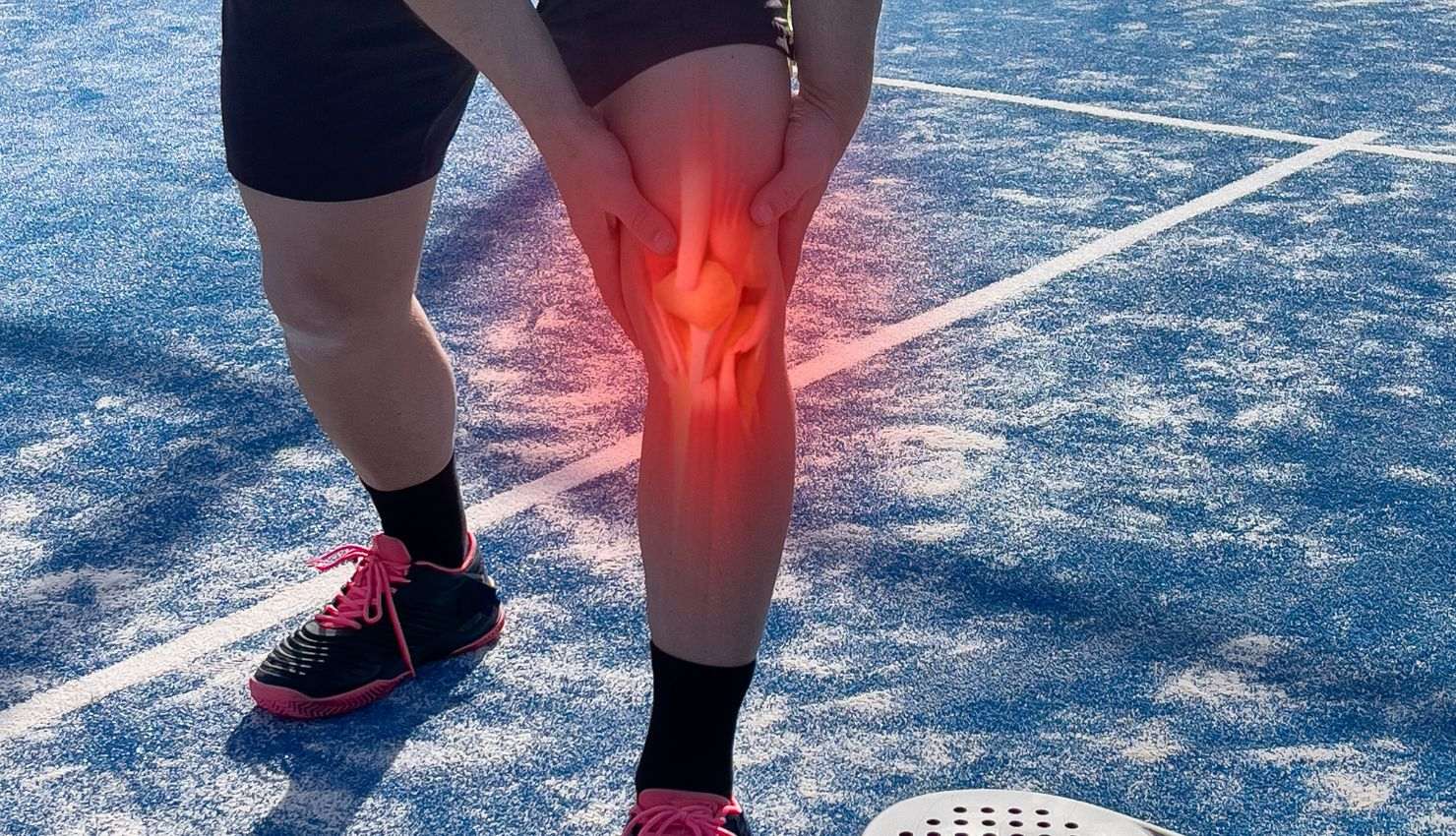
A fractured bone is more than just a break its a full interruption to your mobility, comfort, and daily life. And while the bone itself needs time to heal, what happens around the fracture is just as important. Thats where physiotherapy comes in helping you manage pain, restore movement, and get back to doing what you love, safely and confidently.
If youve had a fracture and are wondering what comes next, physiotherapy can guide you through every stage of healing from the moment the cast comes off to your full return to activity.
Lets take a closer look at how it works.
?? Why Is Physiotherapy Important After a Fracture?
When a bone breaks, the body immediately starts the healing process. But during the weeks of immobilization (think casts, slings, boots), nearby muscles can weaken, joints can stiffen, and mobility can be lost.
Once your doctor gives the all-clear to start moving again, physiotherapy helps you safely rebuild strength, mobility, and function all while managing post-fracture pain.
?? How Physiotherapy Helps After a Fracture
1?? Pain Management
Even after the bone heals, lingering pain, swelling, or stiffness can remain especially around joints or soft tissues. Physiotherapists use techniques like:
Cold or heat therapy
Manual therapy (gentle massage or mobilization)
TENS (electrical nerve stimulation)
Ultrasound therapy
These methods help reduce pain naturally, improve blood flow, and relax tense muscles.
2?? Restoring Range of Motion
After weeks in a cast or sling, joints often feel stiff and restricted. Thats where gentle stretching and guided movement come in.
Your physiotherapist will help you:
Gradually improve flexibility in affected areas
Loosen tight muscles
Regain normal joint movement
This is especially important for areas like wrists, ankles, knees, and shoulders where stiffness can interfere with daily activities.
3?? Rebuilding Strength
Muscle weakness is one of the most common side effects of a fracture. Even simple tasks like lifting your arm or standing on one leg can feel surprisingly difficult.
Physiotherapy includes targeted strength exercises that focus on:
Re-engaging muscles that were immobilized
Rebalancing strength around the affected joint
Improving stability and control
Preventing future injuries
Youll start small and progress gradually, always at a pace thats safe for your stage of healing.
4?? Improving Balance and Coordination
After a lower limb fracture (like a broken foot, ankle, or leg), your balance and coordination can take a hit. You may find yourself limping or moving awkwardly without realizing it.
Physios use exercises and drills to help you:
Re-learn proper walking patterns (gait training)
Improve weight distribution
Build ankle and core stability
Regain your natural movement rhythm
This step is key to returning to work, sports, or simply feeling stable on your feet again.
5?? Scar Tissue and Soft Tissue Management
Fractures often affect the surrounding muscles, ligaments, or even nerves. If surgery was involved, you might also be dealing with scar tissue or post-surgical tightness.
Your physio may include:
Manual therapy to improve tissue mobility
Stretching and mobility drills
Scar massage to soften and improve healing tissue
The goal is to make sure the area heals flexibly and functionally, not stiff and restricted.
6?? Guided Return to Activity or Sport
Once your bone is fully healed and strength is returning, your physiotherapist will help you safely return to the things you love whether thats running, lifting, cycling, gardening, or simply walking pain-free.
This phase includes:
Advanced strengthening
Balance and agility training
Sport-specific movements (if needed)
Injury prevention strategies
Theyll make sure you dont just recover you thrive.
?? Bonus: Education and Empowerment
Physiotherapy also teaches you how to:
Avoid re-injury
Listen to your bodys pain signals
Use proper movement techniques
Set realistic recovery goals
Knowing what to expect (and whats normal) during recovery helps reduce fear and builds confidence in your healing journey.
Common Fractures Treated with Physiotherapy
Wrist, forearm, or hand fractures
Clavicle (collarbone) fractures
Ankle and foot fractures
Tibia/fibula (shin bone) fractures
Femur (thigh bone) fractures
Humerus (upper arm) or elbow fractures
Rib fractures (for breathing and posture support)
In a Nutshell
Healing a broken bone isnt just about time its about the right kind of recovery. Physiotherapy helps you manage pain, regain strength and flexibility, and return to daily life with confidence and ease.
So if youve had a fracture, dont skip the rehab. Physiotherapy is your path to full recovery not just healing the bone, but restoring the whole you.