Running is repetitive. Every step hits the ground with 23x your body weightso even small issues can turn into big pain.

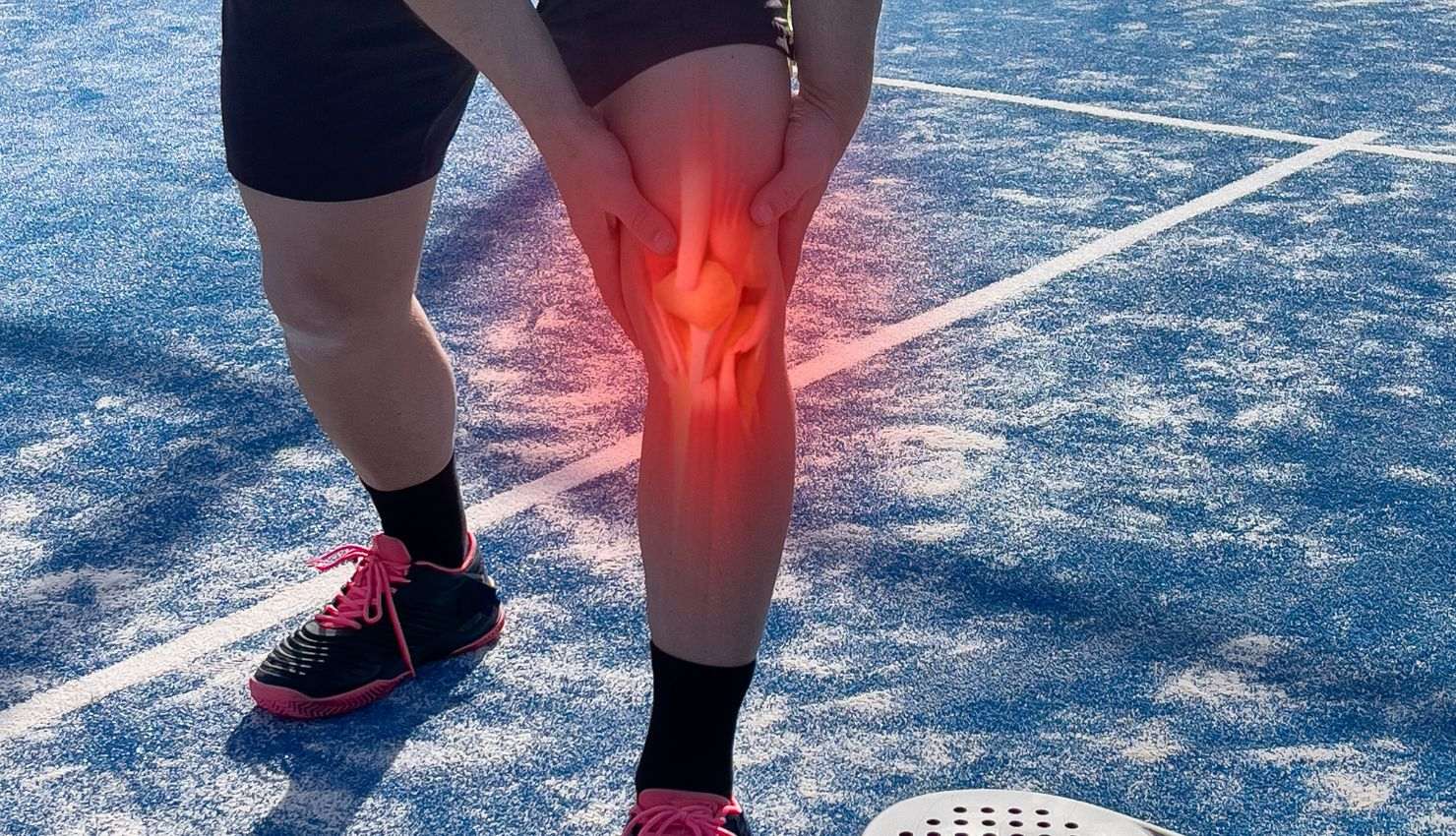
Running is repetitive. Every step hits the ground with 23x your body weightso even small issues can turn into big pain. Physios commonly treat:
Runners knee (patellofemoral pain syndrome)
Shin splints
IT band syndrome
Achilles tendinopathy
Plantar fasciitis
Hamstring or calf strains
Stress fractures
Hip pain or sacroiliac (SI) joint issues
Each condition needs a specific, targeted planno cookie-cutter fixes here.
??? How Physiotherapy Helps Running Injuries Heal
1. Detailed Movement Assessment
First things first: your physiotherapist watches how you move.
Are your knees caving in?
Are your hips unstable?
Are you overstriding or landing too hard?
They might film your gait on a treadmill to analyze stride, posture, and foot strike. This helps them figure out why the pain startedso they can fix the root cause.
2. Hands-On Treatment to Ease Pain
To calm inflammation and kickstart healing, physios use:
Soft tissue massage to reduce tightness and improve blood flow
Dry needling to release muscle knots or trigger points
Joint mobilizations to improve hip or ankle flexibility
Taping or bracing to reduce load on injured areas
Youll usually feel immediate relief and better movement after these sessions.
3. Customized Strength & Stability Work
Injuries often come from weak or underactive muscles. Physios help rebuild with:
Glute strengthening (hello, hip stability!)
Core control exercises
Single-leg work to mimic running mechanics
Ankle and foot strengthening for better push-off
This is how you prevent reinjury and run more efficiently.
4. Running Technique Corrections
Sometimes, its not the mileageits how youre running.
Overstriding? Your physio might coach you on cadence.
Heel striking hard? You might benefit from midfoot cues.
Slouching at mile 3? Time to work on posture and form.
Small tweaks can make a huge difference in pain and performance.
5. Recovery & Load Management
Your physio wont just say stop running. Theyll guide you on:
How much you can safely run
When to switch to cross-training (like swimming or cycling)
How to return to running gradually after a layoff
What shoes or inserts might support your recovery
Its all about smart training, not complete shutdown.
6. Education & Prevention Tools
Physiotherapy also gives you the knowledge to stay injury-free:
Warm-up and cooldown routines
Foam rolling and self-massage techniques
Stretching and mobility for tight hips, calves, and hamstrings
Strength plans to keep your body balanced over the long haul
? How Long Until Youre Running Again?
This depends on the injury. Minor strains or tightness can turn around in a week or two, while more stubborn conditions like tendonitis or stress injuries might take 48 weeks or more. But with consistent treatment and the right plan, most runners come back stronger than before.
? Final Word
Pain doesnt have to be part of your running story. Physiotherapy helps you heal smarter, run stronger, and avoid future setbacks. Whether you’re training for a marathon or just enjoy weekend jogs, your physio is your running partner in recovery.