Tendons connect muscle to bone, and when theyre overused or suddenly overloaded, they can become: Irritated (tendinitis) acute inflammation Degenerative (tendinosis) longer-term wear-and-tear Partially torn when tissue fibers begin to fray Fully ruptured requiring surgical intervention (followed by rehab) Tendon injuries often come with: Localized pain that worsens with movement Stiffness, …

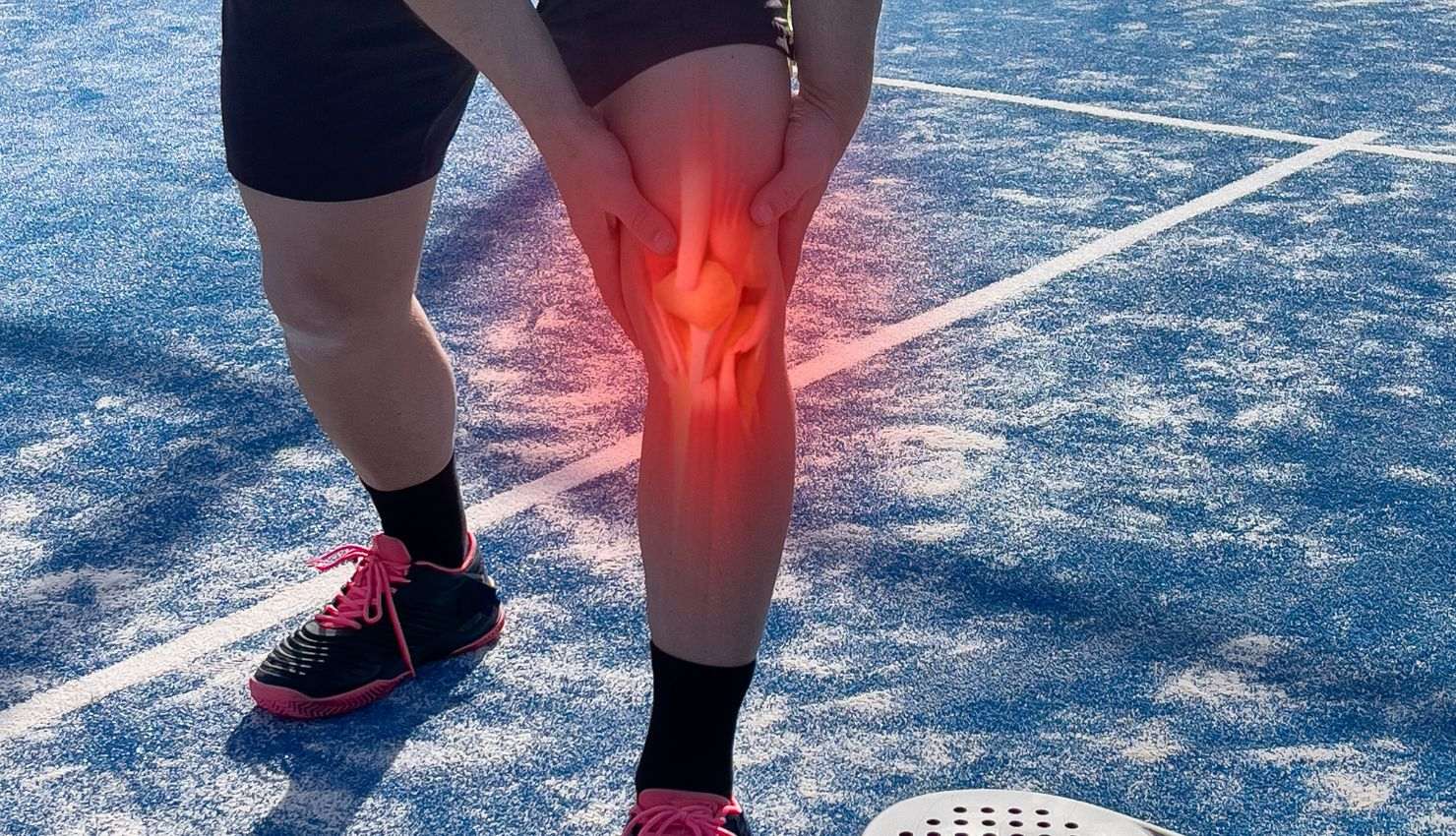
Tendons connect muscle to bone, and when theyre overused or suddenly overloaded, they can become:
Irritated (tendinitis) acute inflammation
Degenerative (tendinosis) longer-term wear-and-tear
Partially torn when tissue fibers begin to fray
Fully ruptured requiring surgical intervention (followed by rehab)
Tendon injuries often come with:
Localized pain that worsens with movement
Stiffness, especially in the morning or after inactivity
Swelling or tenderness
A gradual onset (from repetitive stress or overuse)
??? How Physiotherapy Helps Treat Tendon Injuries
1. Accurate Assessment
Your physiotherapist will start by:
Identifying which tendon is affected and what stage its in (inflammatory vs. degenerative)
Testing strength, flexibility, and movement patterns
Checking for compensations in nearby muscles and joints
This creates a clear roadmap for your personalized treatment plan.
2. Pain Management Techniques
In the early stages, its important to reduce irritation without total rest (which can weaken the tendon further). Your physio may use:
Ice or cold therapy for swelling and pain
Ultrasound or TENS to reduce inflammation and nerve sensitivity
Manual therapy to relieve tight or overused surrounding muscles
Activity modification avoiding painful movements while staying active in other ways
The goal is to calm things down, without shutting everything down.
3. Tendon Loading Exercises (The Gold Standard)
This is where tendon rehab gets specificand physios truly shine.
Tendons need progressive loading to heal properly. That means:
Rebuilding tendon strength, structure, and load tolerance
Improving muscle control and joint alignment
Depending on your injury, you may progress through:
?? Isometric Exercises
Great for early pain relief without movement
Example: Holding a static heel raise or wall squat
?? Eccentric Exercises
Slow lengthening of the tendon under load
Example: Slowly lowering your heel off a step for Achilles tendinopathy
?? Heavy Slow Resistance Training (HSRT)
Builds strength and tendon tolerance over time
Uses weights or resistance bands to gradually increase demand
Each stage is carefully timed based on pain level and healing response.
4. Stretching & Mobility Work
While stretching isnt always the main focus of tendon rehab, your physio may include:
Gentle stretches for tight muscle groups that overload the tendon
Mobility drills to improve movement quality and reduce compensations
Foam rolling or myofascial release for tight connective tissues
These help reduce tension around the injured area and improve your overall movement.
5. Correcting Mechanics & Posture
Often, tendon injuries are caused (or worsened) by:
Poor posture
Faulty movement patterns
Muscle imbalances
Your physio will help you:
Improve your form during activities (e.g., running, lifting, reaching)
Strengthen supporting muscles like the core, hips, or shoulder stabilizers
Adjust your workstation or training technique to avoid reinjury
6. Return-to-Activity Programming
The final step is rebuilding confidence and function. Your physiotherapist will:
Gradually reintroduce your sport or daily activities
Build load tolerance for your specific goals (e.g., running, lifting, overhead work)
Use functional training to simulate real-world demands
Monitor for flare-ups and guide you through setbacks
Its all about smart progression, not pushing through pain.
?? How Long Does Recovery Take?
Tendons are slow healersbut physiotherapy accelerates the process. General timelines:
Mild irritation: 24 weeks
Chronic tendinopathy: 612 weeks (or more for severe cases)
Post-surgical rehab: 36+ months, depending on the repair
Consistency is keythe more regularly you follow your physio plan, the faster and more fully youll recover.
? Final Takeaway
Physiotherapy is the gold standard for treating tendon injuries. It helps you reduce pain, restore strength, and return to activity safelywithout relying on medications or risking re-injury.
Through hands-on care, strategic exercises, and movement correction, your physiotherapist guides you step-by-step toward full, pain-free function.