Rotator cuff injuries are a common cause of shoulder pain, especially in individuals who engage in repetitive overhead activities, such as athletes, manual laborers, or even office workers who spend a lot of time typing. The rotator cuff is a group of four muscles and their tendons that stabilize the shoulder and allow for a …

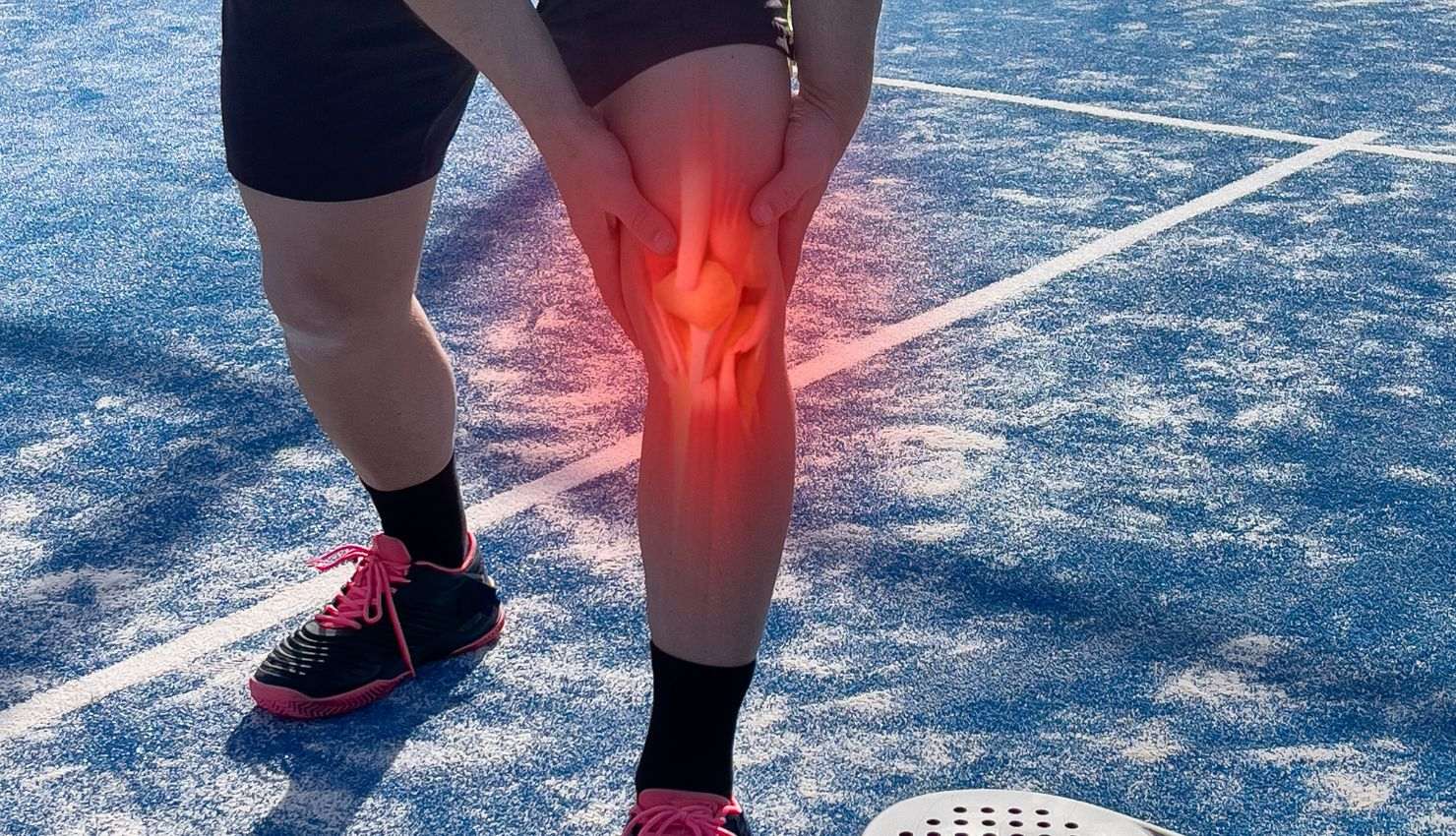
Rotator cuff injuries are a common cause of shoulder pain, especially in individuals who engage in repetitive overhead activities, such as athletes, manual laborers, or even office workers who spend a lot of time typing. The rotator cuff is a group of four muscles and their tendons that stabilize the shoulder and allow for a wide range of movements. When these muscles or tendons become strained, torn, or inflamed, it can lead to pain, weakness, and limited shoulder movement.
Physiotherapy plays a crucial role in treating rotator cuff injuries, providing non-invasive pain relief, restoring function, and preventing further damage. Heres how physiotherapy can help manage and treat rotator cuff injuries:
### **1. Comprehensive Assessment and Diagnosis**
The first step in treating a rotator cuff injury with physiotherapy is a thorough assessment to understand the severity of the injury and identify the underlying cause of the pain. The physiotherapist will perform a detailed evaluation to determine the extent of the injury and develop a personalized treatment plan.
#### **What Happens During the Assessment:**
* **Medical History**: The physiotherapist will ask about your symptoms, the history of your injury (whether it occurred suddenly or developed over time), and any previous injuries or conditions that may affect the shoulder.
* **Physical Examination**: The physiotherapist will test your range of motion (ROM), strength, and flexibility in the shoulder joint. They will also assess pain levels and identify specific movements that aggravate the injury.
* **Special Tests**: The physiotherapist may perform specific tests to evaluate the integrity of the rotator cuff muscles and tendons, such as the Empty Can Test, Drop Arm Test, or Hawkins-Kennedy Test, to confirm the diagnosis.
Once the assessment is complete, the physiotherapist can tailor a treatment plan that addresses the severity of the injury and promotes healing.
—
### **2. Pain Management and Inflammation Control**
Pain and inflammation are common symptoms of rotator cuff injuries, especially in the early stages. Physiotherapists use various techniques to manage pain and reduce inflammation, creating a more comfortable environment for healing.
#### **Pain Relief Techniques in Physiotherapy:**
* **Cold Therapy (Cryotherapy)**: Ice or cold packs are often applied to reduce swelling and numb the pain in the shoulder. Cold therapy is especially effective immediately following an injury or during flare-ups of chronic pain.
* **Heat Therapy**: After the initial inflammation subsides, heat therapy can be used to relax the muscles, improve circulation, and reduce stiffness around the shoulder. A warm compress or heating pad can help ease muscle tension.
* **Transcutaneous Electrical Nerve Stimulation (TENS)**: TENS units use mild electrical currents to block pain signals and stimulate the release of endorphins, providing effective pain relief.
* **Ultrasound Therapy**: Therapeutic ultrasound uses sound waves to penetrate deep into the tissues, improving blood flow, reducing inflammation, and promoting tissue healing in the injured area.
These modalities help control pain and inflammation, enabling more effective rehabilitation.
—
### **3. Restoring Shoulder Range of Motion (ROM)**
One of the most common issues with rotator cuff injuries is limited shoulder movement. Stiffness, pain, and weakness often result in reduced ROM, making it difficult to perform everyday tasks or engage in sports. Physiotherapists use specific techniques to restore normal shoulder movement and flexibility.
#### **How Physiotherapy Helps Restore ROM:**
* **Gentle Stretching**: Physiotherapists introduce gentle stretching exercises to improve flexibility in the shoulder muscles and tendons. This helps restore normal ROM and reduce stiffness.
* **Passive and Active ROM Exercises**: In the early stages of recovery, passive ROM exercises (where the physiotherapist moves the arm for you) may be used to maintain mobility. As the injury heals, active ROM exercises (where you move the shoulder yourself) are introduced to further improve flexibility and movement.
* **Joint Mobilization**: If the rotator cuff injury causes stiffness in the shoulder joint, physiotherapists may use joint mobilizations to gently move the joint and increase its mobility.
Restoring ROM is crucial for reducing pain, improving function, and preventing long-term limitations.
—
### **4. Strengthening the Rotator Cuff and Surrounding Muscles**
Weakness in the rotator cuff muscles is a major contributor to shoulder pain and dysfunction. Strengthening the rotator cuff muscles and the surrounding muscles (such as the upper back and shoulder blades) is vital for preventing further injury and improving shoulder function.
#### **How Strengthening Exercises Help with Rotator Cuff Pain:**
* **Targeted Rotator Cuff Exercises**: Physiotherapists design specific exercises to target the rotator cuff muscles, such as external rotation, internal rotation, and scapular stabilization exercises. These exercises help rebuild strength and restore normal muscle function.
* **Progressive Resistance Training**: Strengthening exercises are gradually progressed in intensity to prevent overloading the injured muscles. As the rotator cuff muscles become stronger, the shoulder joint becomes more stable and less prone to future injury.
* **Upper Back and Scapular Strengthening**: Physiotherapists also incorporate exercises to strengthen the muscles around the shoulder blades (scapula), as these muscles play a vital role in shoulder stability. Stronger scapular muscles help support the rotator cuff and reduce stress on the shoulder joint.
By strengthening the rotator cuff and surrounding muscles, physiotherapy improves shoulder stability, reduces pain, and prevents further injury.
—
### **5. Correcting Posture and Movement Patterns**
Poor posture and dysfunctional movement patterns are common contributors to rotator cuff injuries. Physiotherapists assess your posture and daily movement habits to identify any abnormalities that may be placing unnecessary strain on the shoulder joint.
#### **How Physiotherapy Corrects Posture and Movement:**
* **Postural Education**: Physiotherapists teach you how to maintain proper posture throughout the day, whether sitting, standing, or lifting. Good posture reduces the strain on the shoulder muscles and joints, allowing for better function and less pain.
* **Movement Analysis**: Physiotherapists analyze your movement during activities like lifting, reaching, or throwing to ensure that you are using proper biomechanics. Correcting faulty movement patterns helps prevent further injury and promotes healing.
* **Ergonomics**: Physiotherapists may recommend ergonomic changes to your work or home environment to reduce shoulder strain, such as adjusting the height of your desk, using proper lifting techniques, or ensuring that you have adequate support when sitting or standing for long periods.
Correcting posture and movement patterns helps reduce strain on the rotator cuff, preventing further pain and injury.
—
### **6. Manual Therapy for Pain Relief and Tissue Mobilization**
Manual therapy involves hands-on techniques that help alleviate pain, improve tissue mobility, and restore function. These techniques are often used in conjunction with exercises and other modalities to provide comprehensive treatment for rotator cuff injuries.
#### **Manual Therapy Techniques for Rotator Cuff Pain:**
* **Soft Tissue Mobilization**: Physiotherapists use massage or myofascial release techniques to address muscle tightness and release adhesions in the soft tissues around the shoulder. This reduces pain and restores flexibility to the muscles and fascia.
* **Joint Mobilization**: Gentle mobilizations of the shoulder joint can help improve joint movement, reduce stiffness, and relieve pain, particularly if the injury has led to joint restriction.
* **Trigger Point Therapy**: If tight knots (trigger points) are contributing to pain in the rotator cuff or surrounding muscles, physiotherapists use manual techniques to release these points and alleviate discomfort.
Manual therapy provides targeted pain relief and helps improve soft tissue mobility and shoulder function.
—
### **7. Gradual Return to Activity and Sport**
Once the pain subsides and strength is restored, physiotherapists guide you through a gradual return-to-activity program to ensure that you dont overload the shoulder or risk reinjury.
#### **How Physiotherapy Supports Return to Activity:**
* **Functional Exercises**: Physiotherapists use exercises that mimic the specific movements of your sport or daily activities to safely reintegrate shoulder use. These exercises help rebuild endurance and strength while preventing strain.
* **Sport-Specific Rehabilitation**: For athletes, physiotherapists design sport-specific rehabilitation programs to restore the strength, range of motion, and stability needed for activities like swimming, tennis, or weightlifting. This ensures a safe return to full performance without pain.
* **Gradual Progression**: The physiotherapist ensures that you return to activity gradually, starting with low-impact movements and progressively increasing the intensity as the shoulder gains strength and mobility.
A structured return-to-activity plan helps prevent reinjury and ensures that you can return to your normal activities without further issues.
—
### **8. Long-Term Prevention and Maintenance**
Physiotherapists not only treat the current injury but also provide long-term strategies to prevent future rotator cuff injuries and manage any ongoing discomfort.
#### **Prevention Strategies in Physiotherapy:**
* **Ongoing Strengthening and Maintenance**: Physiotherapists recommend a continued strengthening program to maintain the integrity of the rotator cuff and surrounding muscles, preventing future injuries.
* **Regular Stretching and Mobility**: Stretching exercises are included in a maintenance plan to keep the muscles and joints flexible, preventing tightness or stiffness that could lead to injury.
* **Posture and Technique Maintenance**: Maintaining proper posture and movement patterns is essential for long-term shoulder health. Physiotherapists continue to monitor and adjust these aspects to ensure that you stay pain-free.
Ongoing physiotherapy helps ensure that you maintain a healthy, functional shoulder and prevent future injuries.
—
### **Conclusion**
Physiotherapy is a highly effective, non-invasive treatment for rotator cuff injuries, providing pain relief, restoring function, and preventing future issues. Through pain management, strengthening exercises, manual therapy, postural correction, and a gradual return-to-activity plan, physiotherapists help individuals recover from rotator cuff injuries and regain normal shoulder function. Whether recovering from an acute injury or managing chronic shoulder pain, physiotherapy offers a comprehensive approach to improving mobility, strength, and overall quality of life. If you’re experiencing shoulder pain, consult a physiotherapist to help you return to your normal activities safely and pain-free.