After a tough workout or physical activity, sore muscles can often be a common and frustrating experience. Known as delayed onset muscle soreness (DOMS), this discomfort typically occurs after intense or unfamiliar exercise and can last for several days.

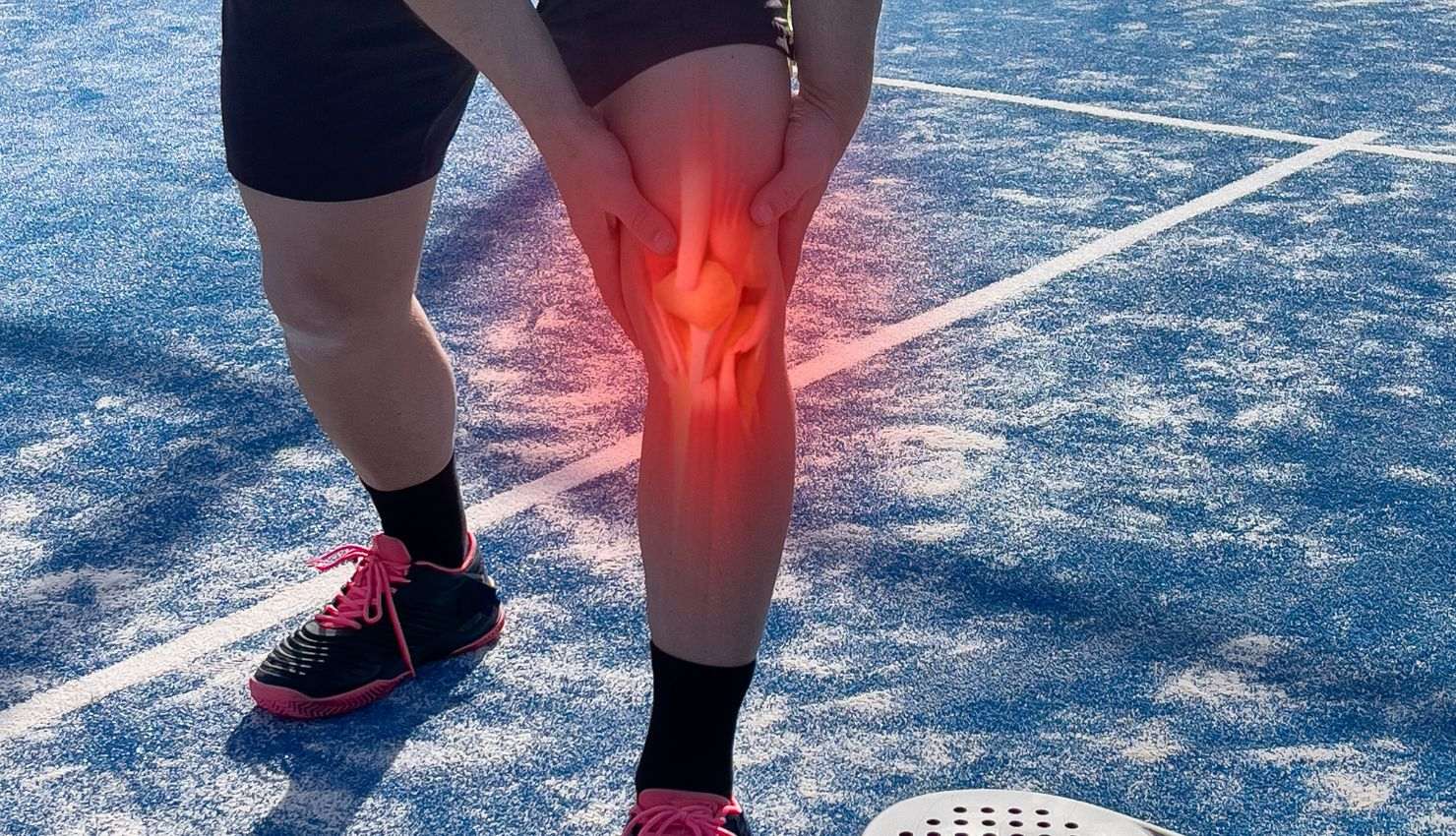
After a tough workout or physical activity, sore muscles can often be a common and frustrating experience. Known as delayed onset muscle soreness (DOMS), this discomfort typically occurs after intense or unfamiliar exercise and can last for several days. Fortunately, physiotherapy offers various strategies to manage and treat sore muscles, helping to speed up recovery and prevent future injury. Heres how physiotherapy can be used to treat sore muscles after exercise:
### 1. **Manual Therapy**
One of the key techniques in physiotherapy for relieving muscle soreness is manual therapy. This hands-on treatment includes a variety of techniques like:
* **Massage Therapy:** Therapeutic massage helps to relax tight muscles, reduce inflammation, and improve blood circulation. It can also help break down scar tissue or adhesions that may have formed in the muscles after intense activity. Sports massage, in particular, is designed to focus on the muscles and connective tissues that are stressed during exercise.
* **Myofascial Release:** This technique targets the fascia (the connective tissue surrounding muscles) to release tightness and improve mobility. Its effective for treating muscle stiffness and soreness, improving flexibility, and reducing muscle tension.
### 2. **Stretching and Flexibility Exercises**
Physiotherapists often incorporate stretching and flexibility exercises into your treatment plan to prevent muscle tightness and soreness. Proper stretching can improve muscle elasticity and help reduce the risk of injury. Dynamic stretching before exercise and static stretching afterward can both aid in preventing soreness.
Physiotherapists may guide you through specific stretches tailored to the muscles that are sore after your workout. Regular stretching helps increase blood flow to the muscles and can shorten recovery time by encouraging the removal of waste products like lactic acid that build up after exercise.
### 3. **Cold and Heat Therapy**
Physiotherapists may recommend alternating between hot and cold treatments to help with muscle soreness:
* **Cold Therapy (Cryotherapy):** Ice packs or cold compresses can be used in the first 48 hours after exercise to reduce swelling and inflammation. The cold constricts blood vessels, minimizing inflammation and numbing pain. Cryotherapy can be particularly helpful if theres muscle damage or swelling.
* **Heat Therapy:** After the initial inflammation has subsided, heat therapy (such as warm baths, heating pads, or warm compresses) can be applied to relax muscles and increase blood flow. Heat promotes circulation, which helps deliver oxygen and nutrients to the muscles and speeds up the healing process.
### 4. **Exercise Modifications**
A physiotherapist can help guide you through modifications in your exercise routine to prevent muscle soreness from occurring in the first place or to ease it when it happens. These modifications can include:
* **Active Recovery:** Low-intensity exercises, such as walking, swimming, or light cycling, help maintain blood circulation without putting further stress on sore muscles. This active recovery aids in reducing stiffness and improves the removal of metabolic waste products from the muscles.
* **Gradual Progression:** Sometimes, soreness is a sign that youve pushed your muscles too hard, too fast. A physiotherapist can help you develop a more gradual progression plan, starting with less intense exercises and slowly increasing the intensity to avoid overstraining muscles in future workouts.
### 5. **Electrotherapy for Pain Relief**
Electrotherapy is often used in physiotherapy as a treatment for muscle soreness and pain. Techniques like **TENS (Transcutaneous Electrical Nerve Stimulation)** or **IFC (Interferential Current Therapy)** use electrical impulses to stimulate muscles and nerves. These therapies can reduce pain, alleviate inflammation, and promote muscle healing by improving circulation and stimulating the release of endorphins.
**EMS (Electrical Muscle Stimulation)** can also be applied to help with muscle recovery by gently contracting muscles, preventing atrophy, and reducing soreness.
### 6. **Strengthening and Conditioning**
While treating sore muscles, physiotherapy can also focus on building strength to prevent future injuries. By strengthening the muscles, you increase their ability to handle stress from exercise, which can reduce the likelihood of muscle soreness in the future. A physiotherapist will design a tailored strengthening program to build endurance and strength, ensuring your muscles are prepared for future activities.
### 7. **Education on Proper Technique and Posture**
A major contributor to muscle soreness can be poor exercise form or posture. Physiotherapists are trained to observe and assess your movement patterns to identify any deficiencies or improper techniques that may be contributing to muscle strain. Theyll then help correct these through personalized exercises and tips, which can reduce the risk of excessive muscle soreness and injury in the future.
### 8. **Dry Needling and Acupuncture**
In some cases, physiotherapists may use dry needling or acupuncture techniques to treat sore muscles. Dry needling involves inserting thin needles into trigger points or tight areas within the muscles to relieve tension and discomfort. Similarly, acupuncture stimulates specific points in the body to help alleviate pain, improve circulation, and promote muscle relaxation. Both treatments are effective for reducing muscle soreness and accelerating the healing process.
### 9. **Hydration and Nutrition Guidance**
Adequate hydration and proper nutrition play a vital role in muscle recovery. A physiotherapist may provide guidance on the importance of hydration, protein intake, and replenishing essential nutrients after a workout. Nutrients like magnesium, potassium, and calcium can help muscle function and prevent cramps and soreness.
### 10. **Prevention of Future Muscle Soreness**
Beyond treating sore muscles, physiotherapists focus on preventing future soreness. They may help with:
* Developing warm-up and cool-down routines to prepare muscles for exercise and aid in recovery afterward.
* Educating you on pacing your workout intensity and rest periods to prevent overexertion.
* Teaching techniques to manage and avoid muscle imbalances that could lead to soreness.
### Conclusion
Physiotherapy is an excellent approach to treating sore muscles after exercise. With a combination of manual therapy, stretching, cold and heat treatments, and targeted exercises, physiotherapists can significantly reduce pain, speed up recovery, and prevent future muscle soreness. Additionally, physiotherapists will help you fine-tune your exercise techniques and offer personalized guidance to ensure your muscles are strong and flexible, minimizing the chances of injury in the future. If you’re experiencing frequent or severe soreness, consulting a physiotherapist can offer long-term benefits and improve your overall fitness and well-being.